KCFR Hosts Dialogue on Pakistan-Bangladesh Relations, Emphasizes Trade, Cooperation and Cultural Ties
Web Desk May 4, 2026A high-level dialogue on strengthening bilateral relations between Pakistan and Bangladesh was held at the Quaid-i-Azam House Museum on May 3, 2026, bringing together policymakers, diplomats, and civil service officials from both countries.

A high-level dialogue on strengthening bilateral relations between Pakistan and Bangladesh was held at the Quaid-i-Azam House Museum on May 3, 2026, bringing together policymakers, diplomats, and civil service officials from both countries.
Digital Innovation and Policy Reforms Fuel Pakistan’s Banking Transformation: easypaisa CDO
The session was hosted by the Karachi Council on Foreign Relations and chaired by Nadira Panjwani, who welcomed a delegation of Bangladesh Civil Service officers. The delegation was accompanied by Sakib Sadakat and led by Salma Siddiqua Mahtab.
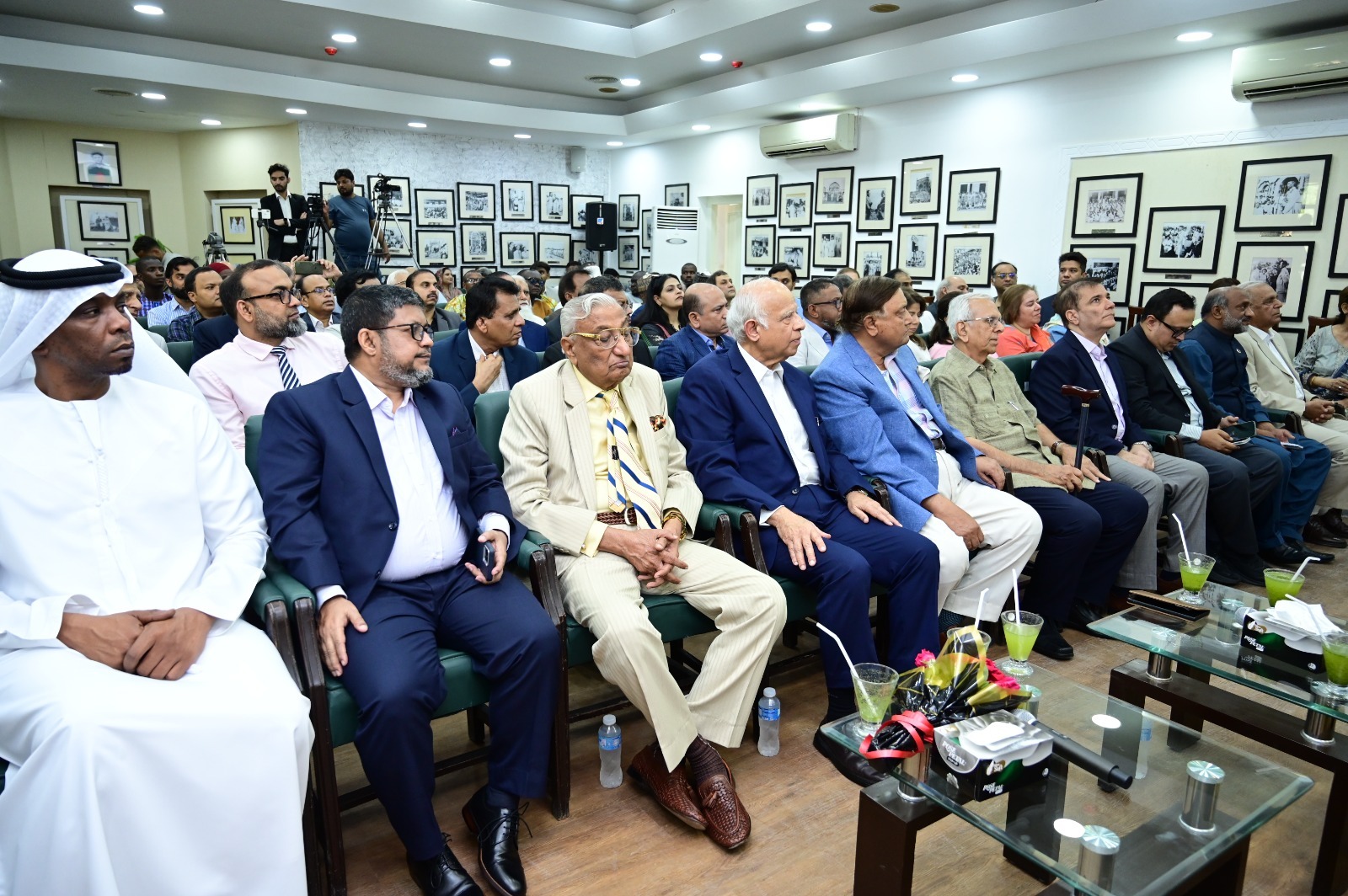
The discussion, moderated by Dr Huma Baqai, focused on deepening economic, diplomatic, and cultural ties between the two nations. In her opening remarks, Panjwani highlighted KCFR’s role in advancing Pakistan’s diplomatic outreach and fostering regional cooperation.
Deputy High Commissioner Sakib Sadakat emphasized the need to enhance bilateral trade and explore joint ventures in sectors such as garments, energy, and minerals. He also underscored the importance of improving direct maritime and air connectivity to reduce logistical barriers and facilitate smoother trade flows. Efforts to promote cultural exchange and people-to-people engagement were also highlighted as key to strengthening long-term relations.

Speaking at the event, Liaquat Merchant, Senior Vice Chairman of the Board of Management of the museum, outlined the institution’s commitment to preserving national heritage while promoting dialogue and cooperation. He stressed the importance of navigating historical complexities to build a stronger and more collaborative future between Pakistan and Bangladesh.

Salma Siddiqua Mahtab noted the proactive role of Bangladeshi civil service officials in enhancing bilateral engagement, particularly in public health cooperation and administrative training. She acknowledged ongoing professional development programs in Pakistan and expressed gratitude to the governments of Pakistan and Sindh for hosting the delegation.
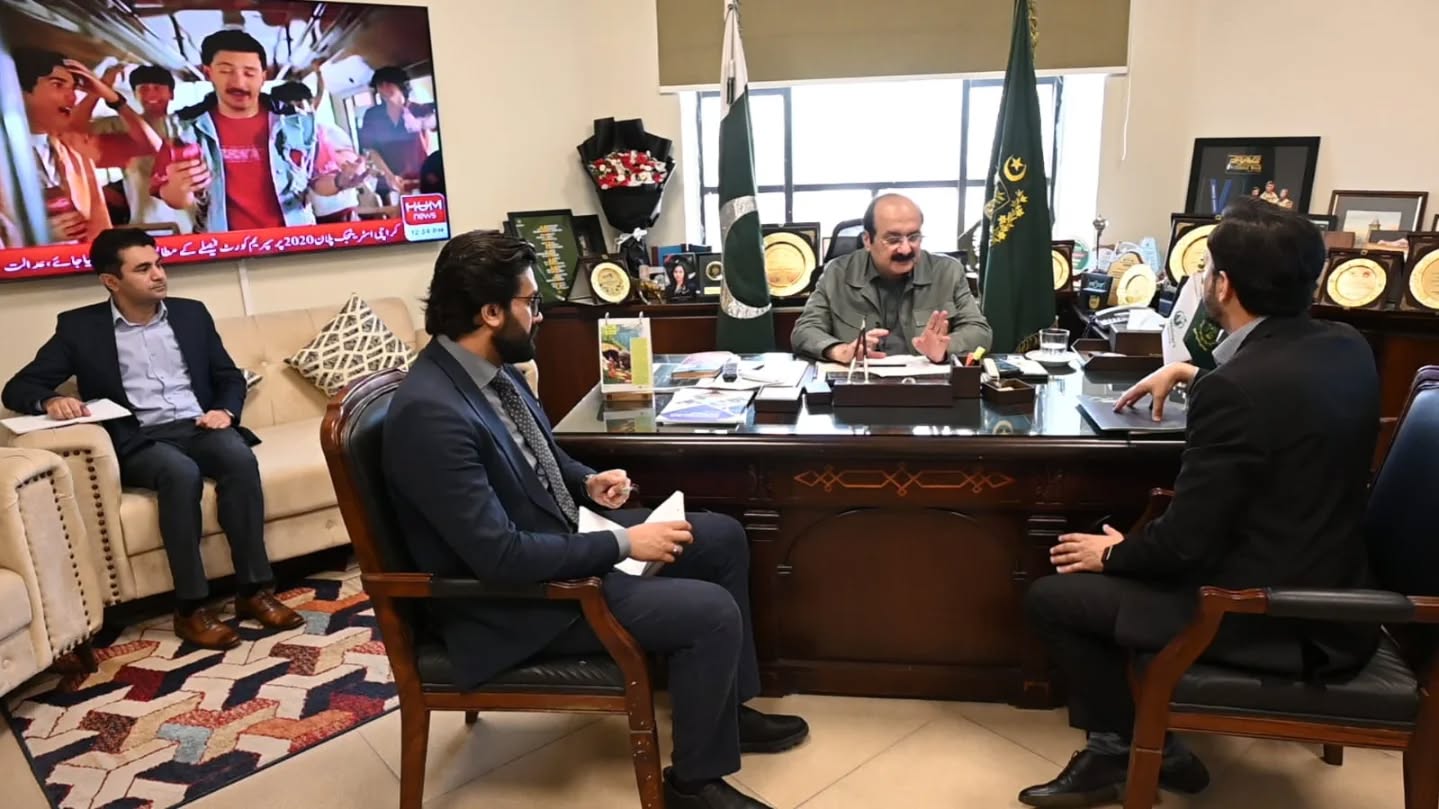
Ikram Sehgal, Patron-in-Chief of KCFR, called for bold measures to deepen ties, including reducing trade barriers, easing visa restrictions, and enhancing currency compatibility between the Pakistani rupee and Bangladeshi taka. He also advocated stronger people-to-people connections and emphasized the importance of addressing humanitarian concerns, including the repatriation of stranded Pakistanis in Bangladesh.

The event concluded on a positive note, with both sides expressing commitment to continued dialogue and collaboration. As a gesture of goodwill, traditional Sindhi ajraks were presented to the visiting delegation, symbolizing cultural friendship and mutual respect.