CENTCOM Briefs Trump on Potential New Strikes Against Iran as Regional Tensions Escalate
CENTCOM Briefs Trump on Potential New Strikes Against Iran as Regional Tensions Escalate
Washington — The commander of United States Central Command (CENTCOM), Admiral Brad Cooper, has reportedly presented US President Donald Trump with military options for a possible renewed offensive against Iran, amid rising tensions in the Middle East and continued disruption in global energy markets.
Pakistan-Australia Business Forum Discusses Expanding Bilateral Trade and Investment Cooperation
According to reports published by Fox News, the briefing took place in the White House Situation Room and included plans for what was described as a “short and powerful wave of strikes” should the United States decide to resume direct military operations.
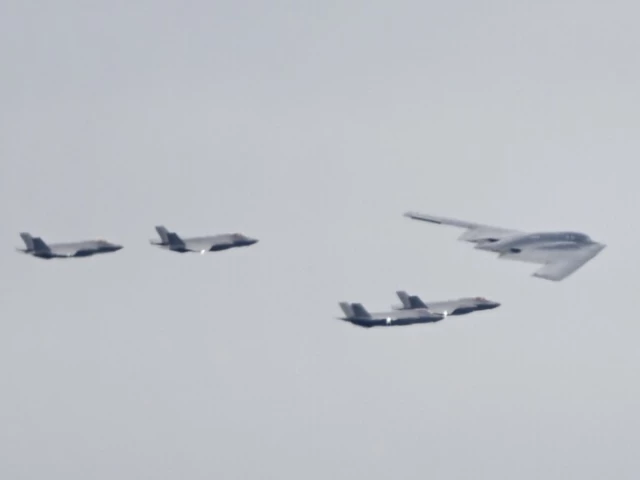
The proposed targets reportedly include Iran’s remaining military infrastructure, strategic assets, and leadership-related facilities. Reports also indicate that the Pentagon is considering the deployment of advanced weapons systems, including the hypersonic missile platform known as “Dark Eagle,” capable of long-range precision strikes.
Military preparations are also said to include increased regional deployment of B-1B Lancer bombers, which can carry large payloads and advanced munitions.
The developments come as tensions remain high despite a ceasefire reportedly in place since April 8 between Iran and US-Israeli forces. Iran has warned that any renewed attacks by Washington would trigger “long and painful strikes” against American positions in the region.
The crisis continues to impact global energy markets, particularly due to ongoing restrictions affecting the Strait of Hormuz, through which a significant portion of the world’s oil and gas supplies passes. Continued instability in the waterway has contributed to sharp fluctuations in oil prices and heightened fears of broader economic disruption.
According to reports, benchmark Brent crude prices surged sharply following news of the military briefing before stabilizing later in trading.
Iranian officials have meanwhile signaled skepticism about the prospects of rapid diplomatic progress. Iranian Foreign Ministry spokesman Esmaeil Baghaei reportedly stated that expecting quick results from negotiations was unrealistic regardless of international mediation efforts.
Regional security concerns also intensified after reports of air defense activity in Tehran involving drones and surveillance aircraft. At the same time, the United Arab Emirates advised its citizens to avoid travel to Iran, Iraq, and Lebanon due to the deteriorating regional security environment.
President Trump reiterated that Iran would not be permitted to acquire nuclear weapons and expressed confidence that global fuel prices would decline if the conflict ends.
Analysts say the latest military discussions underscore the fragile nature of the current ceasefire and the growing risk of a broader regional confrontation involving military, economic, and strategic dimensions.