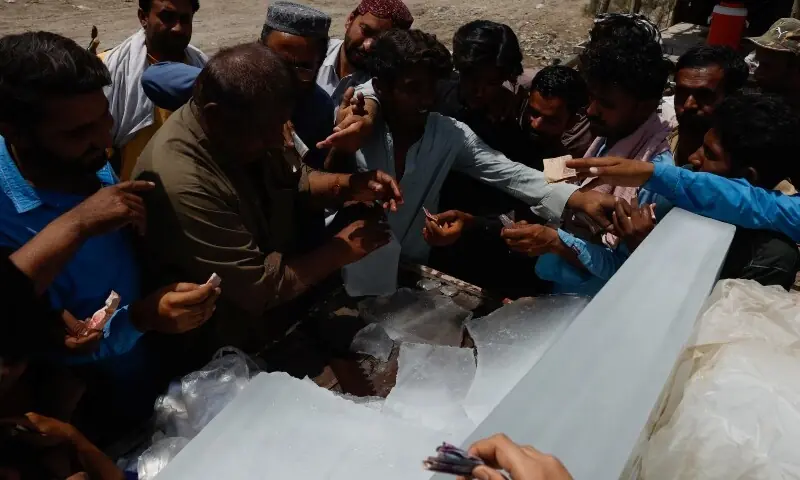
ISLAMABAD, April 23, 2026: The National Disaster Management Authority, through its National Emergencies Operation Centre (NEOC), has issued a nationwide alert warning of an intense heatwave affecting multiple regions of Pakistan until May 5, alongside forecasts of rain, windstorms, and thunderstorms in several areas between April 24 and 29.
Earth Day in Karachi Emphasizes Behaviour Change and Community Responsibility: Tariq Nizamani
According to the advisory, Sindh, southern Punjab, and parts of Balochistan are expected to experience severe heatwave conditions, with major cities including Karachi, Hyderabad, Sukkur, Larkana, Jacobabad, Bahawalpur, Rahim Yar Khan, Multan, and Turbat likely to remain under extreme heat stress. Central Punjab and parts of Khyber Pakhtunkhwa may also see a sharp rise in temperatures during this period.
The NDMA noted that this weather pattern aligns with its earlier seasonal outlook and detailed April–June forecast issued months in advance.
At the same time, a separate weather system is expected to bring dust storms, gusty winds, and rainfall to upper and central Punjab on April 24, 25, and 29. Affected districts include Murree, Islamabad, Rawalpindi, Lahore, Faisalabad, Gujranwala, Sargodha, Multan, and others, where intermittent rain and strong winds are likely.
In Balochistan, northern districts such as Quetta, Ziarat, Kalat, and Khuzdar are expected to receive rain with strong winds during multiple phases between April 24–29. Coastal areas, including Gwadar, are forecast to remain hot and dry with rising temperatures.
Sindh will largely remain hot and dry, though Hyderabad, Badin, and Mithi may experience light rain and gusty winds on April 24. Meanwhile, Khyber Pakhtunkhwa is expected to witness intermittent rainfall and strong winds across districts including Swat, Dir, Peshawar, Mardan, Swabi, and others during the same period.
Gilgit-Baltistan and Azad Jammu and Kashmir are also likely to experience intermittent rain and thunderstorms from April 24 to 29.
The NDMA has warned that the heatwave could significantly increase risks of heatstroke, dehydration, and other health complications. Citizens have been advised to avoid direct sunlight, stay hydrated, and adopt precautionary safety measures.
The authority has instructed all relevant departments to activate heatwave response plans, establish cooling centres, and ensure hospital preparedness. Provincial and district administrations have also been directed to remain on high alert to manage any emergencies.