PAAPAM Flags Lack of Industry Consultation Over Auto Policy 2026–31 Ahead of IMF Submission
Web Desk April 23, 2026LAHORE: The Pakistan Association of Automotive Parts & Accessories Manufacturers (PAAPAM) has expressed serious concern over reports that the draft Automobile and Auto Parts Manufacturing Policy (2026–31) is being forwarded to the International Monetary Fund (IMF) without adequate consultation with key industry stakeholders, including the Engineering Development Board (EDB) and private sector representatives.
LAHORE: The Pakistan Association of Automotive Parts & Accessories Manufacturers (PAAPAM) has expressed serious concern over reports that the draft Automobile and Auto Parts Manufacturing Policy (2026–31) is being forwarded to the International Monetary Fund (IMF) without adequate consultation with key industry stakeholders, including the Engineering Development Board (EDB) and private sector representatives.
Saudia Launches Hajj 2026 Operations with Over One Million Seats to Facilitate Global Pilgrimage
The association warned that bypassing industry input at this stage could have long-term implications for Pakistan’s automotive manufacturing base, which it describes as a critical pillar of industrial growth and employment generation.
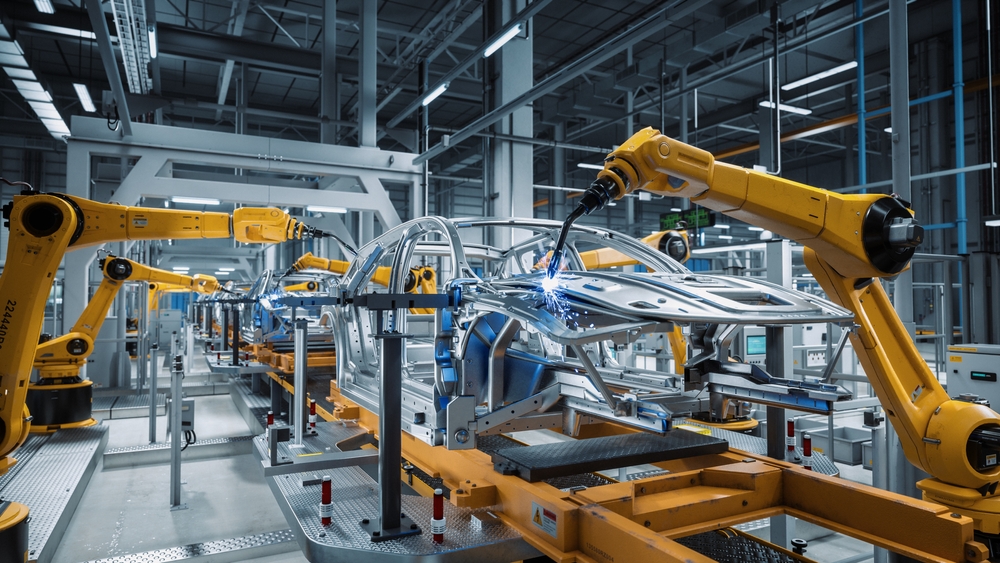
PAAPAM Chairman Usman Aslam Malik said the approach has caused alarm across the country’s auto parts ecosystem, which supports over one million livelihoods. He noted that the sector includes approximately 300,000 direct jobs in machining, tooling, forging, casting, and assembly, while another 700,000 workers are engaged in logistics, supply chains, aftermarket services, and engineering support functions.
He cautioned that any weakening of the sector could directly impact national employment levels and industrial stability, particularly at a time when Pakistan is already facing broader economic pressures.
Senior Vice Chairman Shehryar Qadir also raised concerns over the proposed alignment of the National Tariff Policy with the auto sector without targeted safeguards. He argued that such an approach could reverse decades of localisation progress, undermine domestic vendor investments worth billions of rupees, and shrink Pakistan’s local manufacturing base.
According to PAAPAM, the automotive industry should not be treated as a standard trading sector, but rather as a technology-driven industrial ecosystem requiring a tailored and protected policy framework to ensure long-term sustainability and competitiveness.
The association acknowledged the role of government leadership, particularly the Special Assistant to the Prime Minister on Industries and Production, for promoting dialogue and transparency. It urged policymakers to extend the same consultative approach to the finalisation of the new auto policy.
PAAPAM further emphasised that the auto parts industry serves multiple sectors beyond passenger vehicles, including agriculture, motorcycles, commercial transport, appliances, and defence-related engineering. It also contributes to foreign exchange earnings through exports, making it strategically important for Pakistan’s industrial economy.
The association has called on the government to temporarily halt submission of the draft policy to the IMF, reopen consultations with stakeholders, introduce tariff differentiation to protect local production, and adopt a balanced, export-oriented industrial strategy.
Industry observers say the debate highlights growing tensions between structural reform commitments under IMF programmes and domestic industrial protection concerns, particularly in labour-intensive manufacturing sectors.