
US Signals Ceasefire Timeline Pressure on Israel as Iran Conflict Remains Unresolved
Web Desk April 23, 2026The United States has reportedly informed Israel that the recently extended ceasefire with Iran is expected to expire on Sunday, according to Israeli media citing diplomatic sources, raising fresh uncertainty over the fragile truce and the prospects for renewed negotiations.
The United States has reportedly informed Israel that the recently extended ceasefire with Iran is expected to expire on Sunday, according to Israeli media citing diplomatic sources, raising fresh uncertainty over the fragile truce and the prospects for renewed negotiations.
Israeli public broadcaster KAN reported that US officials conveyed to Tel Aviv that President Donald Trump’s current diplomatic timeframe for Iran is approaching its end, with Washington seeking a limited window to secure a negotiated understanding rather than allow prolonged, open-ended talks.
Diplomatic sources cited by Israeli media said that a breakthrough by Sunday appears unlikely, reflecting growing scepticism within Israel over the direction of US-led mediation efforts. Officials also described confusion over Washington’s approach, noting that key developments have often been learned through Trump’s social media posts and public statements rather than formal diplomatic channels.
Earlier, a White House official told Fox News that the ceasefire could last between three and five days, though the lack of a clearly defined timeline has contributed to uncertainty among regional stakeholders. Israeli sources separately noted that the situation remains fluid and heavily dependent on Trump’s personal decisions.
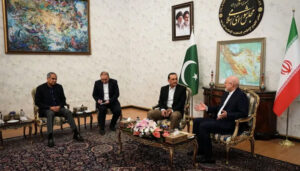
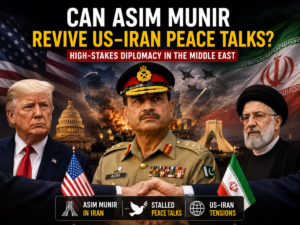
On Tuesday, Trump announced an extension of the ceasefire following what he described as a request from Pakistan, stating that the truce would remain in place until Iran presents a “unified proposal” in ongoing negotiations. Pakistan has been playing a central mediating role in facilitating indirect US–Iran contacts, hosting earlier rounds of talks in Islamabad after brokering the initial ceasefire.
However, no new round of talks has been confirmed, and diplomatic momentum remains fragile amid deep disagreements over core issues, including Iran’s nuclear programme and US-led maritime restrictions in the region.
Tensions have escalated alongside parallel maritime confrontations. The US military has intercepted and redirected multiple Iranian-flagged oil tankers in Asian waters, according to shipping and security sources, as part of broader enforcement actions linked to a de facto naval blockade. The operations reportedly targeted vessels near India, Malaysia, and Sri Lanka, disrupting Iranian crude shipments and further straining global energy flows.
Iran, in response, has increased enforcement activity in and around the Strait of Hormuz, including the seizure of several vessels it accused of violating maritime regulations. The strategic waterway, through which a significant portion of global oil trade passes, remains a key flashpoint in the broader confrontation.
Washington has defended its actions as necessary enforcement measures, while Tehran has condemned them as “piracy” and an act of economic warfare. Iranian officials maintain that the blockade must be lifted before any meaningful negotiations can proceed.
Meanwhile, global energy markets remain volatile, with Brent crude holding above $100 per barrel amid fears of prolonged disruption to Gulf shipping routes.
Despite ongoing diplomatic efforts, including Pakistan’s mediation attempts and intermittent signals of openness from both Washington and Tehran, significant gaps remain. No clear deadline has been set for the next phase of talks, and both sides continue to accuse each other of undermining the ceasefire.
As the Sunday timeline approaches, uncertainty over whether the truce will hold—or collapse into renewed escalation—continues to dominate regional and international diplomatic calculations.