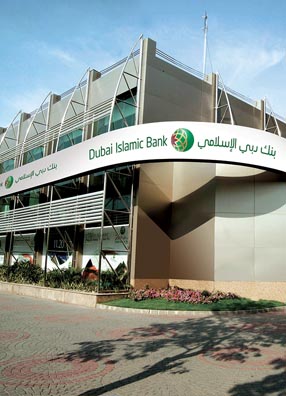
KARACHI: Dubai Islamic Bank Pakistan and fintech platform Pocket Money have announced a strategic partnership aimed at enabling seamless US Dollar-to-Rupee cashouts across Pakistan, strengthening digital payments infrastructure for freelancers, remote workers, and home remittance recipients.
IEEEP Calls for Engineers to Replace Bureaucrats in Technical Leadership Roles
The collaboration is designed to simplify cross-border transactions by integrating regulated banking channels with digital financial services, offering users faster, compliant, and more accessible conversion of foreign currency earnings into Pakistani Rupees.
Under the agreement, DIB Pakistan will provide the regulated banking infrastructure, while Pocket Money will facilitate user access through its digital platform. The initiative is expected to bring a growing segment of Pakistan’s freelance and remote workforce into the formal financial system.
According to Muhammad Ali Gulfaraz, the partnership reflects the bank’s commitment to ethical and innovative financial solutions. He said the collaboration provides a secure and regulated pathway for US Dollar inflows, enabling freelancers and families to access their earnings more efficiently while strengthening the formal economy.
Pocket Money CEO Moe Jangda said the partnership enhances trust and convenience for users, allowing them to process international earnings through a regulated banking framework backed by an established financial institution.
Officials confirmed that the service has received regulatory approval from the State Bank of Pakistan following DIB’s application, establishing a compliant structure for cross-border USD inflows and conversions.
Industry observers say the initiative marks a significant step in Pakistan’s evolving digital financial ecosystem, where fintech platforms and traditional banks are increasingly collaborating to facilitate global payments, particularly for freelancers engaged in international markets.
The move comes at a time when Pakistan’s freelance economy is expanding rapidly, with increasing demand for secure, low-friction payment channels that can integrate global earnings into the local banking system.