Trilateral strategic dialogue a window of hope
News Desk April 13, 2026Islamabad — A recent round of Iran–United States engagement held in Islamabad has been described as a “window of hope” for future diplomatic progress, with analysts suggesting the talks could help reduce tensions and open pathways for sustained dialogue.
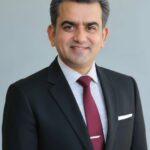
Dr. Hussain Thebo
Islamabad — A recent round of Iran–United States engagement held in Islamabad has been described as a “window of hope” for future diplomatic progress, with analysts suggesting the talks could help reduce tensions and open pathways for sustained dialogue.
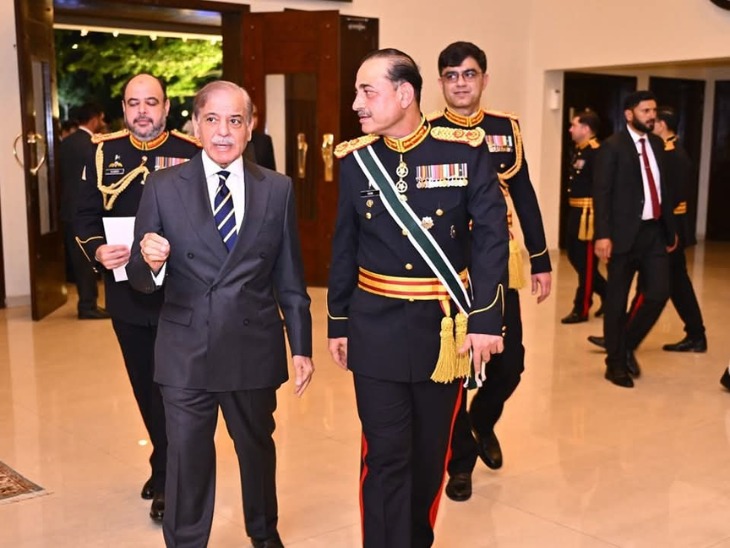
PM Shehbaz Sharif Hails Pakistan’s Role in US-Iran Talks, Says Ceasefire Still Holding
According to strategic affairs analyst Dr. Hussain Thebo, the engagement reflects a rare moment of cautious optimism in an otherwise volatile global political environment, highlighting Pakistan’s emerging role as a facilitator between long-standing adversaries.
Dr. Thebo noted that the leadership in Islamabad played a significant role in enabling the diplomatic process. He said Prime Minister Shehbaz Sharif set the political direction in favour of dialogue, while Field Marshal Asim Munir provided strategic backing and institutional stability to support the negotiations.
He further stated that Pakistan’s security and diplomatic institutions worked in close coordination to create conditions conducive to meaningful engagement between the two sides.
Highlighting Iran’s participation, Dr. Thebo observed that the presence of a large delegation signalled seriousness and internal consensus, describing Tehran’s approach as measured and constructive throughout the discussions.
On the United States side, he noted that Vice President JD Vance demonstrated willingness to engage in dialogue, although internal policy divisions in Washington remained evident. He suggested that differing viewpoints within US political circles reflect broader complexities in shaping American foreign policy.
The analyst argued that despite these challenges, the very fact that both sides engaged directly is a meaningful step forward, especially given the depth of mistrust between Tehran and Washington.
He further emphasized Pakistan’s unique position as a mediator, citing its ability to maintain working relations with both countries and its geographic and diplomatic relevance as key enabling factors.
According to Dr. Thebo, Pakistan’s approach reflects a shift toward constructive engagement and regional stability, focusing on providing a neutral platform rather than influencing outcomes.
However, he stressed that sustainable progress will require continuity. He noted that a single round of talks is insufficient to resolve entrenched disputes, and long-term success will depend on consistent engagement and confidence-building measures.
He concluded that although the Islamabad talks did not produce immediate breakthroughs, they have created an important diplomatic channel that could yield more substantive results in the future if maintained.