Pakistan Emerges as Key Mediator in US-Iran Ceasefire Amid Shifting Global Dynamics
Web Desk April 10, 2026In an increasingly polarized global order, Pakistan has emerged as a significant diplomatic player, mediating a fragile ceasefire between the United States and Iran. The development underscores Islamabad’s growing strategic relevance despite not being a traditional global power.
In an increasingly polarized global order, Pakistan has emerged as a significant diplomatic player, mediating a fragile ceasefire between the United States and Iran. The development underscores Islamabad’s growing strategic relevance despite not being a traditional global power.
Pakistan Limits Visa-on-Arrival to US, Iran Delegates for Islamabad Talks
The truce between Washington and Tehran, once seen as unlikely, highlights how geopolitical positioning and sustained engagement can influence high-stakes outcomes. Leveraging its unique diplomatic access to both nations—who lack direct formal engagement—Pakistan acted as a critical bridge during a period of escalating tensions.
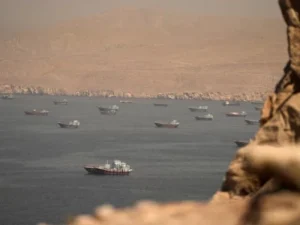
The ceasefire followed weeks of intense conflict that threatened regional stability, disrupted energy routes, and raised fears of a broader war. In this volatile environment, Pakistan’s ability to engage multiple stakeholders without triggering distrust proved instrumental in facilitating dialogue.
Analysts note that Islamabad’s mediation efforts were not purely altruistic. As a country heavily dependent on imported energy, Pakistan faced immediate risks from rising fuel prices and supply disruptions caused by the conflict. Ensuring regional stability was therefore closely tied to safeguarding its own economic interests.
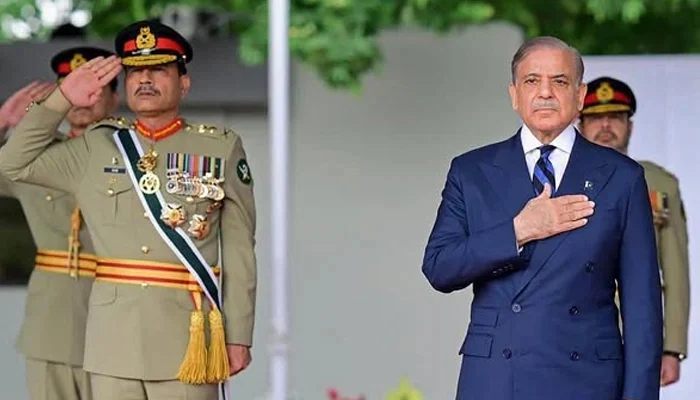
Pakistan’s diplomatic success also reflects its multi-layered engagement strategy. Civilian leadership coordinated with global capitals to build consensus, while parallel channels—particularly with Washington—helped maintain momentum in negotiations. Simultaneously, outreach to regional players such as Saudi Arabia and Turkey contributed to creating a conducive environment for de-escalation.
Despite this progress, the ceasefire remains fragile. The underlying disputes between the United States and Iran persist, and the truce offers only a temporary pause rather than a permanent resolution. The coming weeks will determine whether Pakistan can transition from a facilitator of peace to a guarantor of a lasting agreement.
The episode highlights a broader geopolitical reality: influence is no longer solely defined by military or economic power, but by strategic positioning, timing, and the ability to maintain dialogue across rival blocs. Pakistan’s role in this process may signal a shift in its global standing—though its long-term impact will depend on the sustainability of the peace it helped broker.