Holy Sites Reopen in Jerusalem After Truce, Emotions Run High Amid Tensions
Holy Sites Reopen in Jerusalem After Truce, Emotions Run High Amid Tensions
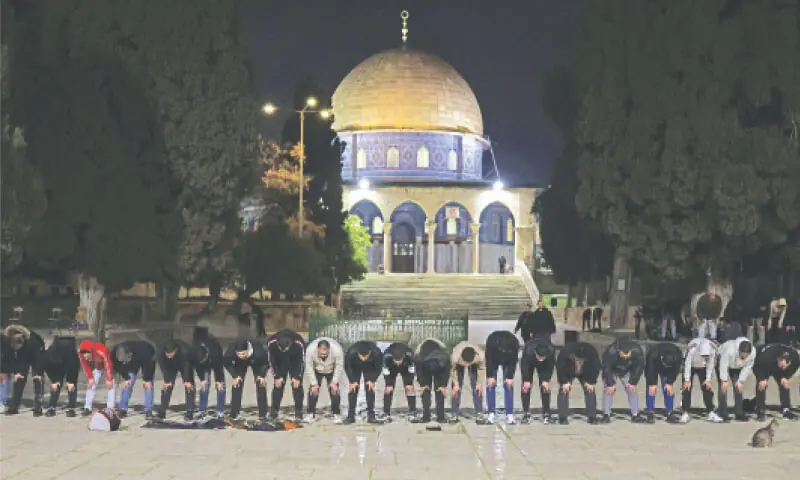
Jerusalem witnessed emotional scenes on Friday as its major religious sites reopened following a ceasefire linked to the recent US-Israeli conflict with Iran, allowing worshippers from Islam, Christianity, and Judaism to return after 41 days.
SELD & UNICEF Launch Enrollment and Retention Drive 2026–27 in Karachi
At the Al Aqsa Mosque compound, thousands of Muslim worshippers gathered for early morning prayers, many moved to tears. For many, the return carried deep spiritual significance, especially after the site remained largely closed during the holy month of Ramazan. Worshippers described the moment as “indescribable happiness,” with some calling it nothing short of a miracle.
However, tensions quickly surfaced when Israeli police began dispersing Muslim worshippers to allow Jewish visitors into the compound, sparking anger among those present.
Nearby, Christians resumed prayers at the Church of the Holy Sepulchre, believed to be the site of the crucifixion and resurrection of Jesus Christ. Despite lower attendance, those present described the reopening as deeply moving. “When I came over, it was a miracle,” said one pilgrim, reflecting the relief felt by many after weeks of restricted access.
At the Western Wall, Jewish worshippers also returned, offering prayers and celebrating religious traditions. Families gathered for ceremonies, marking a sense of normalcy returning to the city’s sacred spaces.
While most emergency restrictions have now been lifted across Israel, heightened security remains in place, particularly near the northern border with Lebanon, where tensions involving Hezbollah continue.
The reopening of Jerusalem’s holy sites marks a symbolic moment of relief and unity, even as underlying tensions in the region persist.