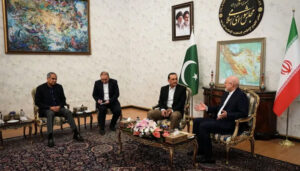
Iran has officially rejected a US-brokered ceasefire proposal, emphasizing the need for a permanent end to the ongoing conflict, according to the state-run IRNA news agency. The response, conveyed to Pakistan, consisted of 10 clauses including ending regional conflicts, establishing safe passage through the Strait of Hormuz, lifting sanctions, and reconstruction initiatives.
Rotary Club of Karachi Quaid – Official Visit Highlights
The US and Iran had discussed a framework plan aimed at ending the five-week-old war, but Tehran insisted on a lasting resolution rather than a temporary halt to hostilities. Iranian Foreign Ministry spokesperson Esmaeil Baghaei stressed that Iran’s demands reflect national interests and confidence in defending its positions. Previous US demands, including a 15-point plan, were rejected as “excessive.”
President Donald Trump threatened further attacks on Iran’s energy and transport infrastructure if a deal was not reached by Tuesday 8:00 PM ET, allowing global energy traffic through the Strait to resume. The UAE’s adviser Anwar Gargash warned that any settlement must guarantee Hormuz access while containing Iran’s nuclear and missile programs to prevent a more volatile Middle East.
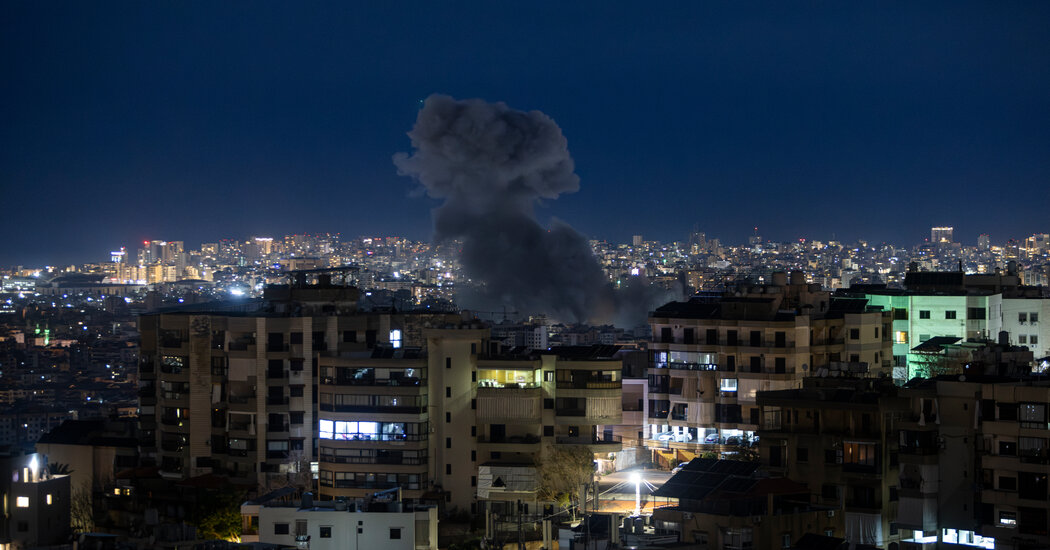
Recent weeks have seen intensified strikes by the US and Israel across Iran, including attacks on petrochemical facilities and the Sharif University of Technology, damaging AI infrastructure and national services. Israel has vowed to continue targeting Iranian infrastructure and its leadership.
Iran responded with retaliatory strikes on petrochemical facilities and Israeli-linked vessels in the Gulf, demonstrating its resilience despite US claims of neutralizing its missile and drone capabilities.
The war has already caused heavy casualties: over 3,540 deaths in Iran, including at least 244 children, 23 civilian fatalities in Israel, and over 1,461 deaths in Lebanon. The conflict has also triggered economic disruptions, with Brent crude futures briefly falling amid ceasefire speculation.
Kremlin spokesperson Dmitry Peskov noted the escalating tensions, describing the Middle East as “on fire” due to ongoing US-Israeli attacks, warning of severe consequences for the global economy.