US Nearing Objectives in Iran, Says Rubio as Regional Tensions Escalate
Web Desk March 30, 2026WASHINGTON — Marco Rubio said on Monday that the United States is close to achieving its military objectives in Iran “within weeks,” as tensions continue to escalate across the Middle East.
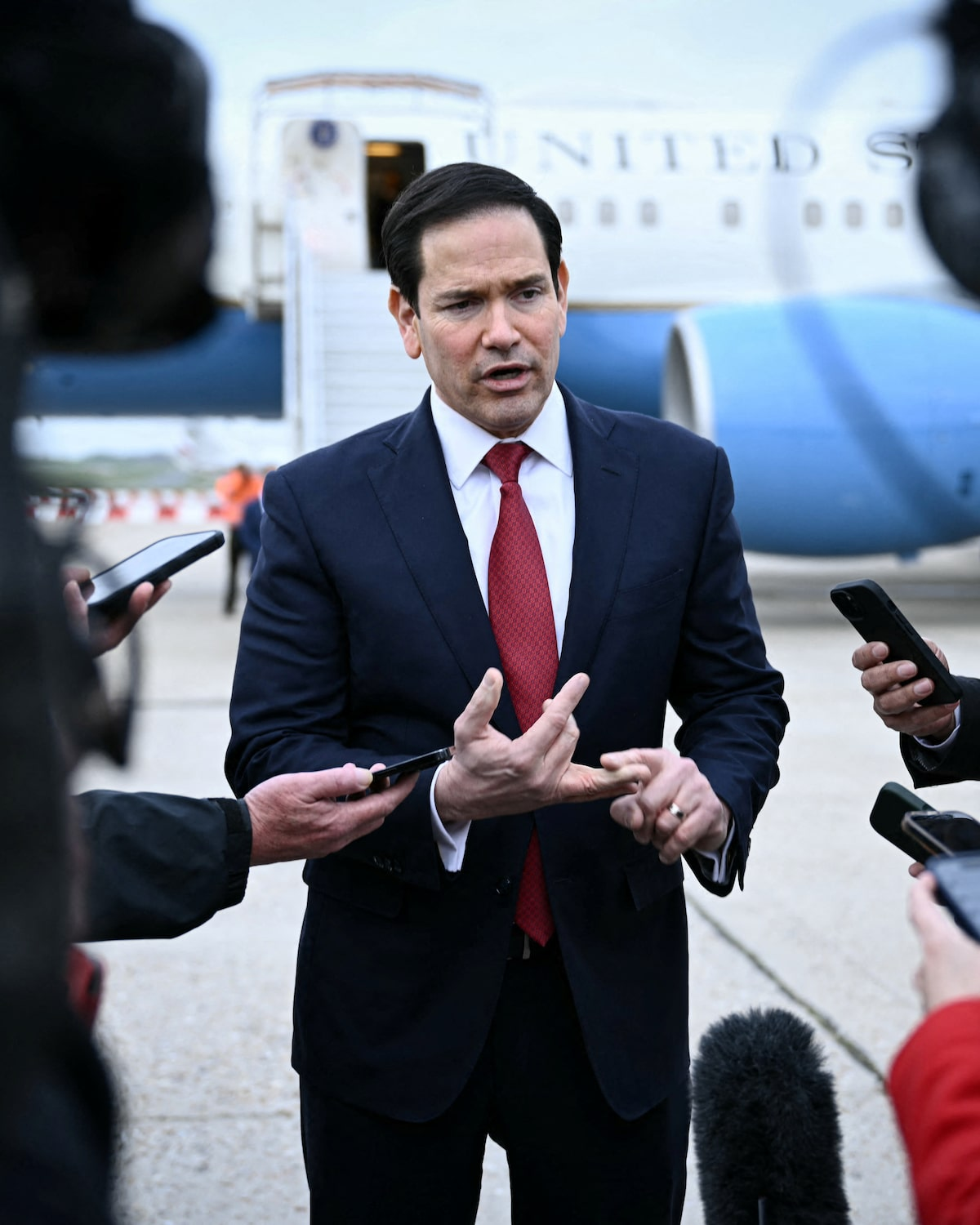
WASHINGTON — Marco Rubio said on Monday that the United States is close to achieving its military objectives in Iran “within weeks,” as tensions continue to escalate across the Middle East.
President Zardari and PM Shehbaz Review Fuel Supply Amid Global Crisis, Approve Austerity Measures
In an interview, Rubio stated that Washington’s strategy includes weakening Iran’s air force, navy, weapons production facilities, and missile capabilities. He added that progress on these objectives is “on or ahead of schedule.”
Rubio also warned that Donald Trump has “a number of options available” to prevent Iran from controlling the strategically vital Strait of Hormuz, through which a significant portion of the world’s energy supplies pass. However, he declined to elaborate on potential military actions.
Despite the escalating conflict, Rubio emphasized that Washington prefers diplomacy, revealing that indirect communication between the US and Iran is ongoing through intermediaries. Iran, however, has denied any direct negotiations, with Foreign Ministry spokesperson Esmaeil Baghaei dismissing US proposals as “unreasonable.”
Meanwhile, regional tensions intensified after a strike on a desalination plant in Kuwait killed a worker and caused extensive damage. Iran denied responsibility, with the Islamic Revolutionary Guard Corps blaming Israel for the incident.
The broader conflict continues to expand, with missile and drone attacks reported across Iraq, ?????, and Israel. United Nations Secretary-General António Guterres condemned the killing of a peacekeeper in Lebanon, urging all sides to uphold international law.
At the same time, diplomatic efforts are underway, with Ishaq Dar stating that Pakistan is prepared to host potential talks between Washington and Tehran. However, officials indicated that direct negotiations may not take place immediately.
On the ground, hostilities between Israel and Iran continue, with both sides exchanging strikes targeting military and infrastructure sites. The conflict has disrupted global energy markets, pushing oil prices above $100 per barrel and raising concerns about inflation and economic instability worldwide.
Analysts warn that any prolonged disruption in the Strait of Hormuz could have severe consequences for global trade, as the waterway carries nearly 20% of the world’s oil shipments.