Pakistan Playing “Pivotal Role” in US-Iran Mediation as Regional Tensions Escalate: Khawaja Asif
Web Desk March 27, 2026Defence Minister Khawaja Asif said on Friday that Pakistan is playing a “very pivotal role” in efforts to end the ongoing conflict involving the United States, Iran and Israel, highlighting Islamabad’s growing diplomatic influence.
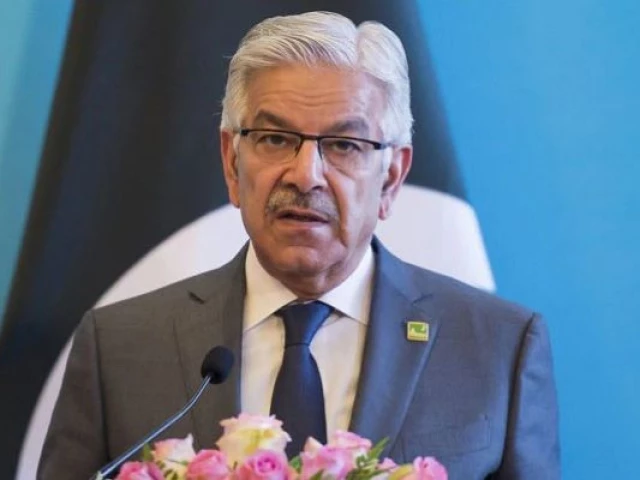
Defence Minister Khawaja Asif said on Friday that Pakistan is playing a “very pivotal role” in efforts to end the ongoing conflict involving the United States, Iran and Israel, highlighting Islamabad’s growing diplomatic influence.
The Provincial Secretary and Heads of Departments of the Pakistan Red Crescent Society Sindh
Speaking in a television interview, Asif said that Pakistan, alongside Egypt and Turkey, is actively engaged in mediation efforts aimed at halting hostilities and preventing further destruction in the Middle East. He described Pakistan’s involvement as a matter of “honour,” particularly given the conflict’s impact on the Muslim world.
The minister attributed Pakistan’s expanding diplomatic role to its “enhanced image and worth” globally, especially following last year’s military tensions with India. He noted that the country is currently in a “unique phase” marked by growing international trust and improved relations with Washington.
Asif also acknowledged ongoing regional challenges, stating that Pakistan faces security tensions with Afghanistan and maintains a cautious posture toward India. He stressed that diplomacy remains essential to avoid escalation, particularly in light of potential implications of defence commitments with Gulf states such as Saudi Arabia.
While declining to comment directly on reports of Pakistan hosting US-Iran talks, the minister indicated that such diplomatic efforts should be allowed to progress without public disclosure. He added that Pakistan must seize the opportunity to shape its role in global diplomacy.
Separately, Iran’s Foreign Minister Abbas Araghchi accused the US and Israel of waging an “illegal and ruthless war” during an emergency session of the United Nations Human Rights Council, following deadly strikes on civilian infrastructure.
Meanwhile, German Foreign Minister Johann Wadephul confirmed that indirect contacts between Washington and Tehran have already taken place, with preparations underway for direct talks expected soon in Pakistan.
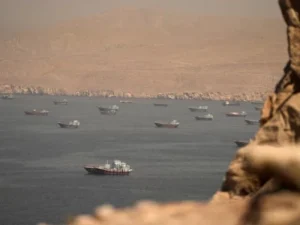
On the military front, tensions continue to rise. The Islamic Revolutionary Guard Corps has declared the Strait of Hormuz closed to shipping linked to US-Israel allies, while the United Arab Emirates is pushing for a multinational force to secure the vital route, which carries a significant share of global oil supplies.
European powers have also raised concerns about Russia’s alleged support to Iran, including intelligence sharing and drone technology, during a meeting involving US Secretary of State Marco Rubio.
Elsewhere, former Israeli Prime Minister Naftali Bennett criticized Benjamin Netanyahu, accusing the current leadership of failing to achieve military success across multiple fronts.
Amid the escalating crisis, the United Nations Security Council is set to hold closed-door consultations on strikes targeting civilian infrastructure in Iran, reflecting growing international concern over the widening conflict.
The developments underline Pakistan’s emerging role as a key diplomatic mediator at a time of heightened regional instability and global geopolitical stakes.