

The Middle East conflict intensified as Yemen’s Iran-aligned Houthis fired missiles at Israel for the first time since the war with Iran began, signaling a potential expansion of hostilities across the region.
U.S. Democrats Demand Public Hearing on Trump’s Iran War Amid Escalating Costs and Strategy Concerns
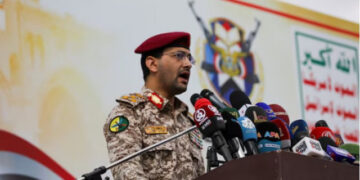
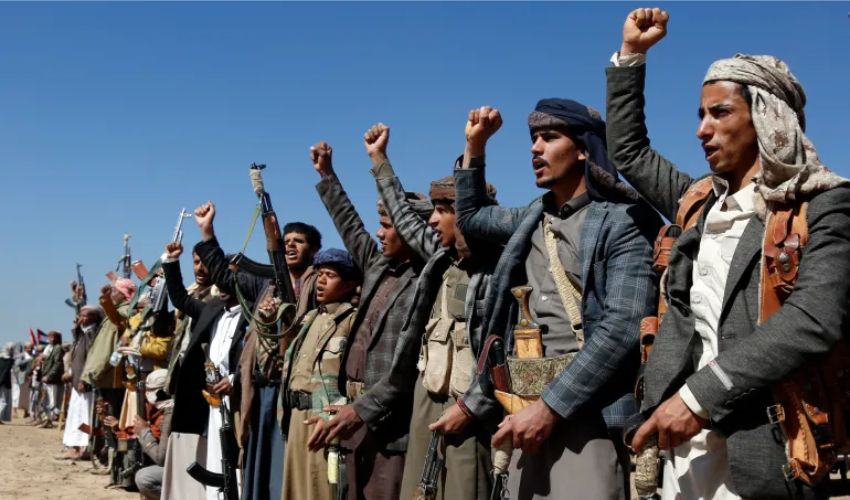
The Houthis confirmed their Saturday missile barrage at Israel, marking their first direct involvement since February 28. Israel intercepted one missile, preventing major damage, while the Houthis warned that operations would continue until they deemed all “aggression” across multiple fronts had ended.
The war, triggered by U.S. and Israeli strikes on Iran, has now entered its fifth week. Thousands have died, and disruptions to energy supplies have fueled global inflation fears. The Houthis’ involvement raises concerns over a new front threatening strategic maritime routes such as the Bab al-Mandab Strait, a key gateway to the Suez Canal.
With Iran already affecting the Strait of Hormuz — which carries roughly one-fifth of the world’s oil and gas — further escalation could severely impact global trade and energy markets. The Houthis have demonstrated the capability to strike far beyond Yemen, targeting shipping lanes across the Red Sea and Arabian Peninsula.
U.S. Signals Military Timeline
U.S. Secretary of State Marco Rubio stated that Washington expects to conclude military operations within weeks, not months, and is “on or ahead of schedule.” He called on European and Asian nations benefiting from Hormuz trade routes to help secure safe passage.
President Donald Trump questioned NATO support for the campaign, highlighting divisions with traditional allies. While immediate U.S. ground operations have been ruled out, thousands of Marines and elite airborne troops have been deployed, raising fears the conflict could evolve into a prolonged ground war.
Recent Strikes and Casualties
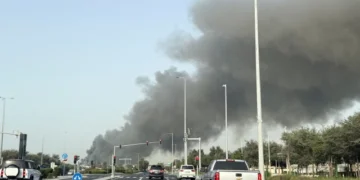
Iran launched multiple missile waves at Israel overnight, killing one person and damaging infrastructure in Tel Aviv. Iranian strikes on a Saudi air base wounded 12 U.S. personnel, while missile attacks in the UAE and Bahrain caused civilian injuries and fires near Abu Dhabi’s Khalifa Port.
Meanwhile, U.S.-Israeli strikes in Iran’s Zanjan city killed at least five and injured seven, with additional damage reported at a Tehran university.
Economic Impact
Global energy markets reacted sharply: Brent crude surged above $112 per barrel, more than 50% higher since the conflict began, and U.S. diesel prices reached record highs. These developments are intensifying political pressure on the Trump administration amid rising inflation.
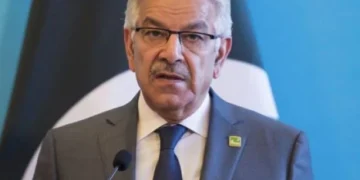
While Trump has claimed ongoing negotiations with Iran, Tehran has denied direct talks. Pakistan, Egypt, and Turkey have been involved in relaying messages between Washington and Tehran, though experts remain skeptical about an immediate resolution.
Trump recently extended a 10-day deadline for Iran to reopen the Strait of Hormuz before threatening attacks on energy infrastructure. Despite this, U.S. and Israeli strikes have continued, keeping the region on high alert as diplomatic and military strategies unfold.