

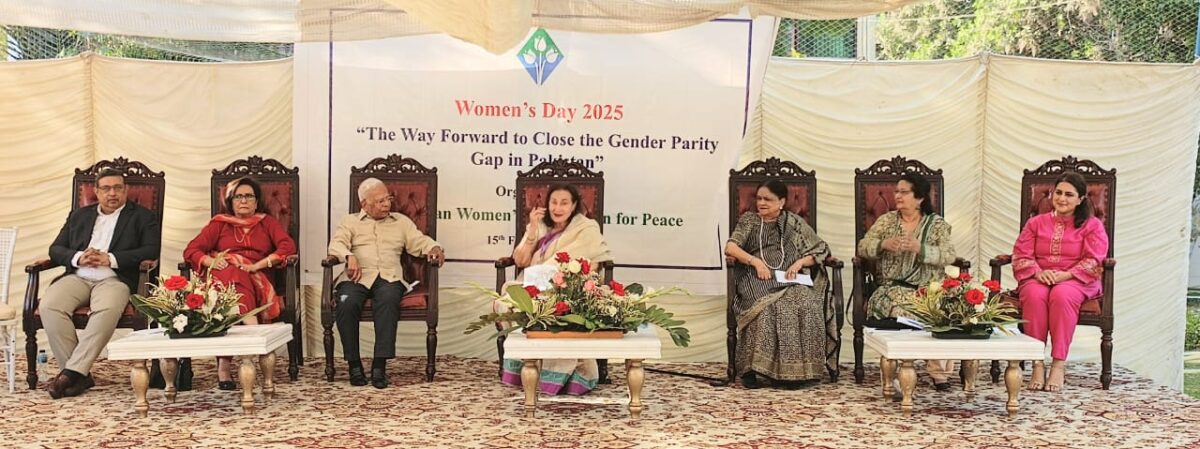
Karachi Pakistan : After a year we meet to discuss a subject that will for the next few weeks as we approach 8th March be analyzed thread bare with much passion and repetition as to why Pakistan is so pathetically low in the International Gender Parity rankings. And what is the critical need to create a gender equality milieu in Pakistan?
When one reviews the Global Reports on Gender parity especially the recognized World Economic Forum’s report based on the four indicators of Economic Participation and Opportunity. Educational Attainment, Health and Survival and Political Empowerment, we are shocked to find that we hold the ignominious rank of 145th out of 146th countries. And this ranking is consistent over a long period starting from 2007. Most of us living in Karachi’s affluent urban spaces are reluctant to accept this ranking but those who work in the formal professional world will fully acknowledge its veracity. For all of them have struggled are struggling to protect their rights, and services and secure a just and fair return. A woman has to work thrice as hard as her male
counterpart to hold her position. The paradox is that even in a patriarchal macho culture, a recent study showed that women were regarded as more intelligent than men in the class room, and definitely more diligent securing top positions in board and university exams and gaining ment entry into professional institution. But that does not alter the fact that they are discriminated against from birth in Pakistan
We see Euphemism and Contradictions, by our leadership who lives in a state of denial and focuses only on silver linings… Pakistan is formally signatory to several INTERNATIONAL Charters. CEDAW, Universal Declaration of Human Rights, and Sustainable Development Goals SDGs and promises…to honor them.
Our history since 1947 granted us automatic suffrage and in the 1956 constitution guaranteed a great and satisfactory role to women. The 1973 constitution strengthened it. And doors were opened for women to enter every bureaucratic cadre.
Fatima Jinnah bravely contested and won a moral victory against a powerful opponent in 1965. We had so many firsts, the first women PM, the first Assembly Speaker Women have held high public office from PM to Speaker and opposition leader in the National Assembly State Bank of Pakistan. From Nobel laureate and high String theorists Lawyers Dr.’s Academicians, Engineers Architects, fighter pilots, Mountain climbers, Space aeronauts. Global Awards winners, Nobel laureate, Oscars winners Writers Artists… Heroines too like Tahira Hasan…and vocal and determined Activists and Revolutionaries. Even in the remotest regions, women have broken barriers defied stereotypes and taboo, of the well-entrenched feudo tribo patriarchal…
All this certainly calls for celebration. The problem lies with ratios. How Many achieve such success in a population of 25 crores, how many women do we have in our national Assemblies, and why the low graphs in literacy Health Work Force and General Empowerment? Why are we 145th out of 146th in the global gender parity index in 2025.
Despite making 49 percent of the population why is literacy only 51%?, Reserved seats were allocated for woman in Parliament and woman were allowed to contest on general seats but after 77 years why do we have % representation in the national assemblies on patron-client terms? Women have done far better than their male colleagues in attendance and legislation of bills, but why are they rarely given recognition for that or given important decision making roles. but are assaulted by rude gender stereotyping by their male colleague! Even Corporate board rooms, where exceptional female talent is hired (for optical advantage not for improving corporate performance). Why are they not given deserving post or appropriate salaries? very few CEOS in the 500 plus listed in PSX corporations are Women!!! And they are usually relatives of the owners or associated to their sponsors. In the rural areas, women’s labor is neither paid, recognized nor appreciated-she is lower than the livestock she tends? Women working in urban industries women
are exploited over worked under paid and not given the legislated benefits or facilities! Where has the billions spent on Women’s Development programs, money that was allocated, borrowed, or donated gone?
And what security and protection and equality have the plethora of reforms and pro women legislation given us
These Questions need to be answered.
What is the great need for gender parity?
A great and critical need how much better our country could grow and prosper as is happening in South India, Bangladesh Rwanda if we were to plan, utilize our resources, allocate and monitor the expenditures and results.
We rarely question the misuse, the misperceptions and organize ourselves into a strong meaningful platform to challenge and counter them. We unfortunately carry a historical load of resignation, and acceptance of a lingering demeaning legacy of colonialism mindsets that we don’t create this mass force to reject bondage and injustice.
Today there are multitude of not for profit orgs working to empower women. And yet we find ourselves sinking. Another great drawback is the galloping population graph. A indebted country with limited resources allows its population to explode!
We are keen that the younger generation takes, a serious note of this because it impacts on their future and the nations destiny. Our celebration is not the Woman’s Day as a routine social cause celibre, but a means to promote a just, de stratified ethical order that integrates us into a
Progressive Nation State. Women if given the right opportunities and resources can become a driving force for national unity and growth.
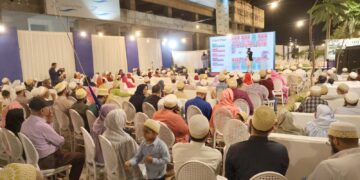
We have invited experts in their field to answer question why after 77 years Pakistan is left behind in almost all Dev. Indicators whilst nations that started with us galloped ahead such as Bangladesh, India and Rwanda. What are their recommendations to improve these rankings
Dr. Ishrat Husain is a Legend… an economist who brought enduring improvements in the institutions he headed, including the State Bank of Pakistan and the IBA
Ms. Nasreen Jaleel has been playing a leading role in her Political Party
Dr. Tasneem Ahsan a leading health professional can help us understand the need and how we can control the population explosion in Pakistan that minimizes all growth.
Barrister Zahra S. Viyani on why Women who have constitutional rights are discriminated against and bullied and denied those rights.
And Ms. Baela Raza Jameel who is an Institution on Education can enlighten us as to how we can proceed through the public and private sector to accelerate women education programs that have as yet not yielded satisfactory results.
Researcher and Economist Dr. Asad Sayeed can help us through his work on how the barriers that lock women in a lowly 25 percent women workforce can be removed. Can FLFP vision 2025 catapult them to a dignified 45 Percent?
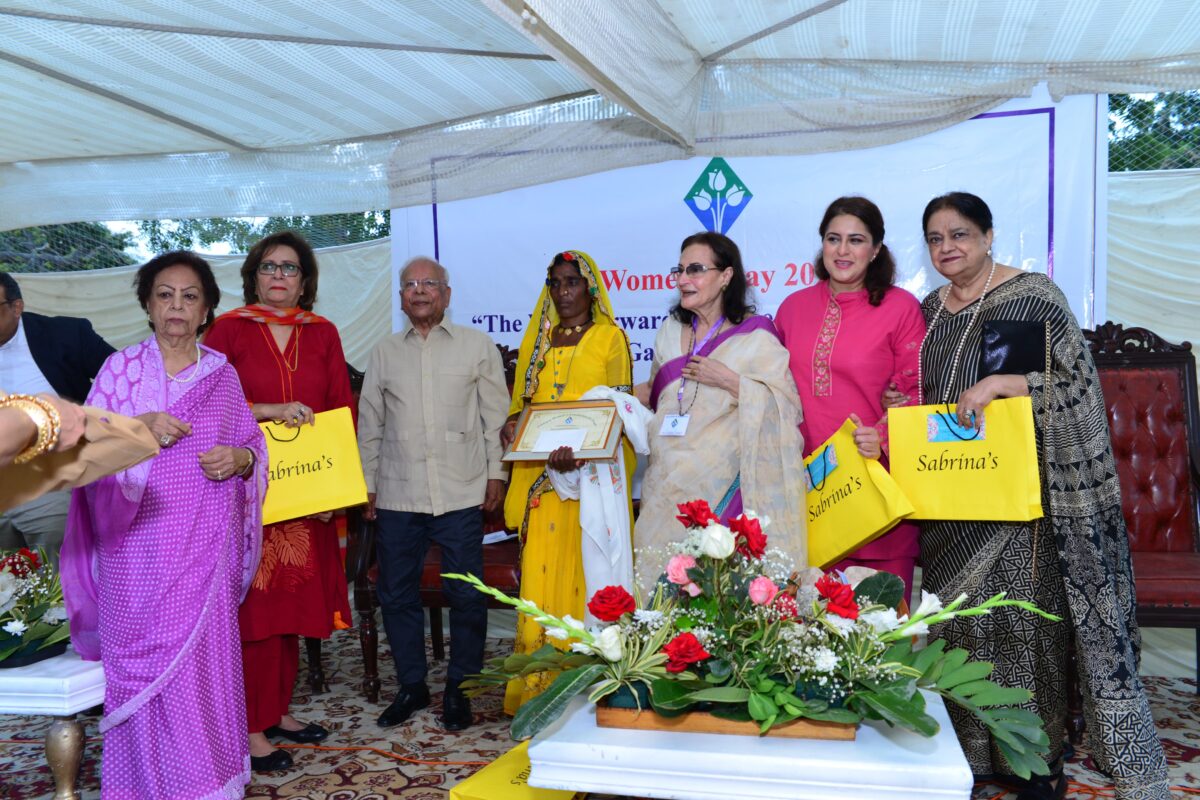
We see that women living in Remote areas like Malala Yousufzai of Swat and Muktaran Mai of Meerwala Punjab, and our heroine today Dhani of Mirpur Khas Sindh, have brought a new dimension of hope to Pakistan’s dismal women development trajectory.
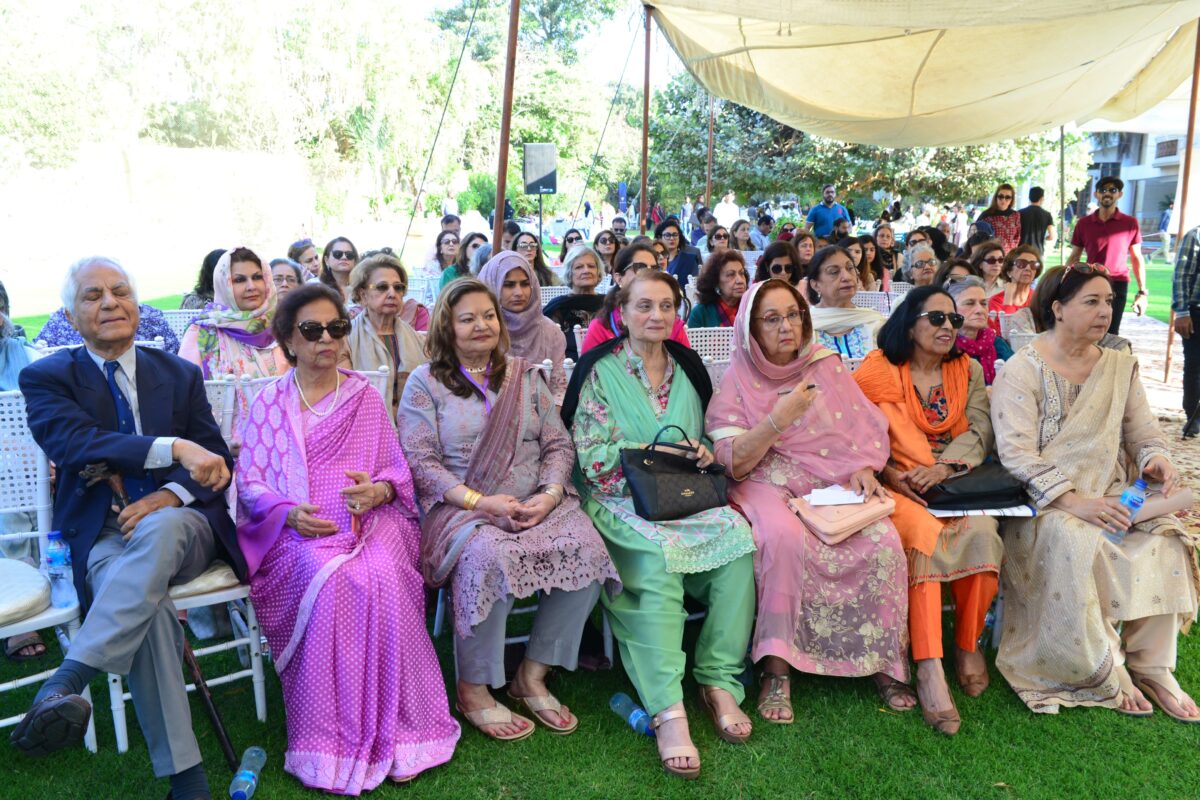
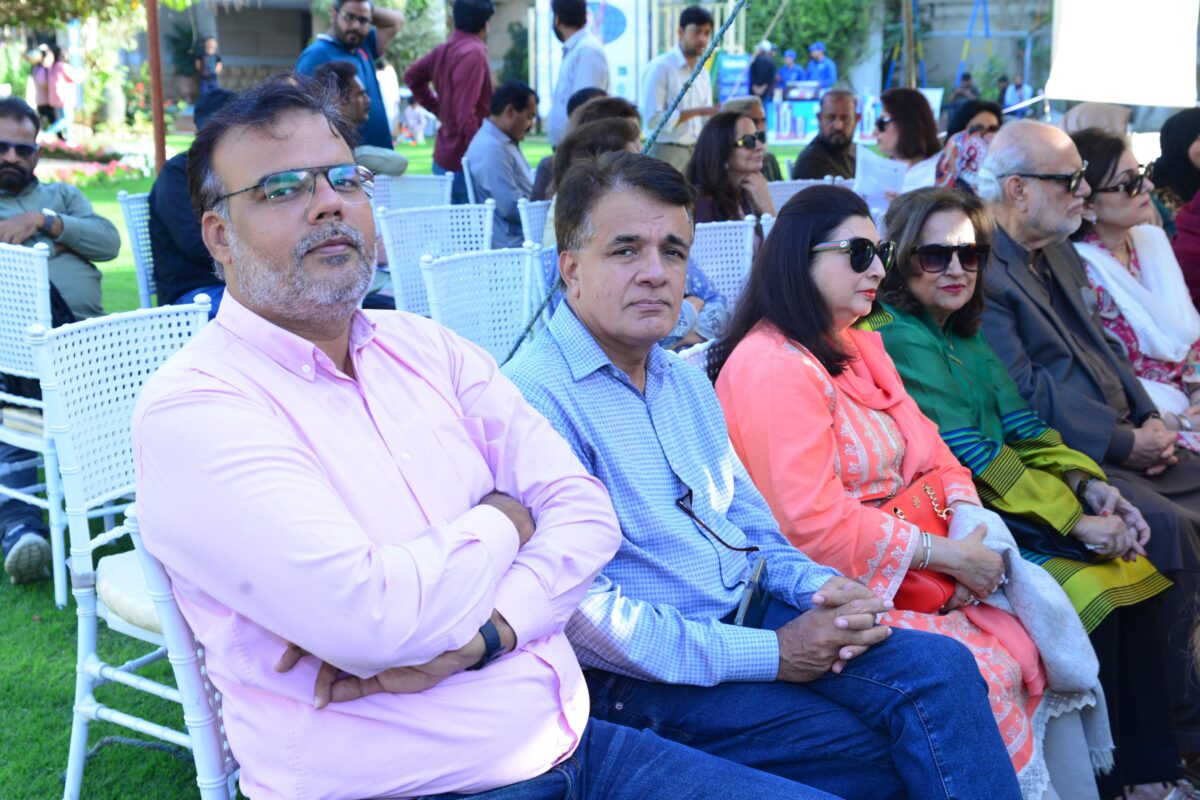
You in the audience are all winners’, educated, productive, delivering excellence and services to Pakistan’s community. You are leaders and models and thus carry a high responsibility of working towards removing the bottlenecks and barriers that repress woman’s entry and ascension in the national socio political mainstream.
If enlightened, empowered fair minded women and men were to work as partners to remove all the blockages that deny us a respected status in the comity of nations, Pakistan will Inshallah fulfill the vision of its founding fathers and stop the pessimism that is leading our talented youth who is our asset, both from the rural and urban centers to leave the country
Advertisements