

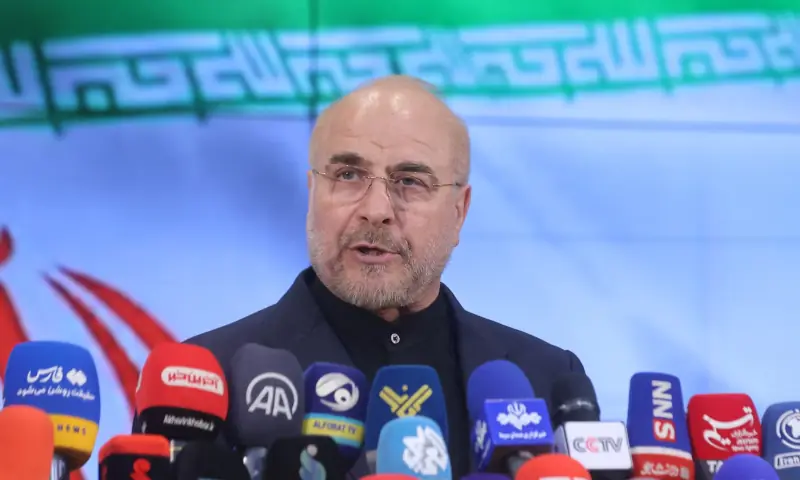
ISLAMABAD: Direct negotiations between the United States and Iran concluded without a breakthrough on Sunday, with Iranian leadership urging Washington to demonstrate sincerity and rebuild trust following nearly a full day of intensive discussions.
Iran’s Parliament Speaker, Mohammad Bagher Ghalibaf, who led Tehran’s delegation, said the outcome of the talks now placed responsibility on the United States to prove its intentions.
“America has understood our logic and principles, and now it’s time for it to decide whether it can earn our trust,” Ghalibaf said in a statement, highlighting Iran’s continued scepticism rooted in past conflicts.
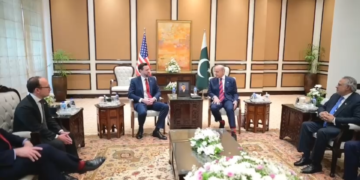
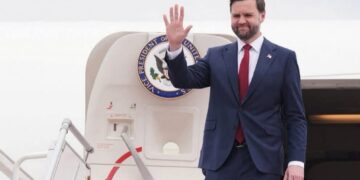
The high-stakes dialogue — informally dubbed the “Islamabad Talks” — marked a rare instance of direct, face-to-face engagement between the two sides. The US delegation was led by Vice President JD Vance, reflecting the significance both countries attached to the negotiations.
Talks stretched over 21 hours and included multiple sessions where both sides exchanged proposals. Despite what officials described as “substantive discussions,” no agreement could be reached on key issues.
Vance acknowledged the lack of progress, stating, “We were unable to make any headway,” while adding that the failure to reach a deal would have greater consequences for Iran.
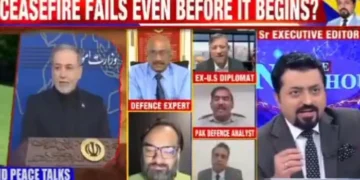
Iran’s Foreign Ministry also confirmed that while there was some understanding on certain matters, major differences remained unresolved, preventing a final agreement.
The negotiations were held in Islamabad following a fragile ceasefire brokered by Pakistan after weeks of intense conflict in the Middle East. Pakistani officials, including Ishaq Dar, urged both sides to maintain the ceasefire and continue diplomatic engagement.
Ghalibaf, however, reiterated that Iran would pursue its national interests through both diplomacy and strategic strength, emphasising that trust must be rebuilt before any meaningful progress can be made.
Despite the lack of a deal, both sides acknowledged Pakistan’s role in facilitating the talks, which were seen globally as a critical step toward de-escalation — even as the path to a lasting agreement remains uncertain.