Bezalel Smotrich Calls for Beirut Strikes as US-Iran Deal Nears
Diplomatic efforts continue as regional tensions remain elevated.
The US-Iran Deal remained at the center of international attention as diplomatic efforts continued while military and political tensions persisted across the Middle East. Several developments emerged simultaneously, connecting negotiations, regional security concerns, and competing political positions.
At the same time, policymakers and regional actors signaled both support and caution. Reports suggested progress toward a framework agreement, yet officials avoided confirming exact timelines. Consequently, observers continued monitoring whether diplomacy could reduce broader instability.
Bezalel Smotrich Raises Israel Demands
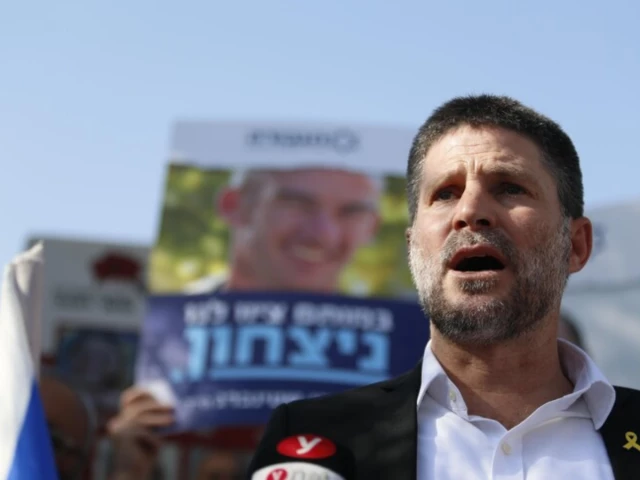
Israeli Finance Minister Bezalel Smotrich reiterated his position regarding responses to attacks originating from Lebanon. In public remarks, he argued that stronger military retaliation should follow rocket and drone incidents directed toward northern Israel.
His comments referenced ongoing negotiations involving Washington and Tehran. He reportedly argued that regional armed groups should not use diplomatic momentum to increase pressure along Israel’s northern border.
Meanwhile, Israeli military statements indicated that warning sirens were activated in northern communities after reported launches from Lebanon. Officials later stated that no injuries were recorded.
Iran Banking Systems Face Cyber Disruption
Iranian authorities reported service disruptions affecting four major banks following what officials described as a limited cyberattack.
According to state media reports, the incident affected shared communications infrastructure connected to multiple banking institutions. Technical teams reportedly introduced protective measures while restoration work continued.
Officials stated that customer information was not compromised and said no banking data had been deleted. Nevertheless, the incident added another layer of pressure during a sensitive diplomatic period.
Qatar Supports US-Iran Deal Efforts
Qatari diplomatic representatives reportedly traveled to Tehran to support efforts aimed at finalizing discussions connected to ending conflict between the United States and Iran.
Separately, Qatar and Kuwait publicly expressed support for continued dialogue. Their statements emphasized negotiations and peaceful mechanisms to address unresolved disputes.
These diplomatic efforts reflected broader regional concern that continued confrontation could create further economic and security uncertainty.
Donald Trump Signals Possible Agreement
US President Donald Trump suggested publicly that a framework agreement could move closer to completion. However, Iranian officials did not confirm a specific signing date.
Iranian Foreign Ministry representatives stated that discussions remained active but cautioned against assumptions regarding timing. Therefore, expectations remained measured despite optimistic political messaging.
Reports also indicated that reopening maritime routes and easing restrictions could become early implementation priorities if negotiations advance.
Masoud Pezeshkian Highlights National Unity
Iranian President Masoud Pezeshkian marked the anniversary of last year’s conflict by emphasizing national resilience and social cohesion.
In public remarks, he stated that the conflict demonstrated national unity across political perspectives. He also said his administration continued addressing domestic concerns despite ongoing economic pressure.
Additionally, Iranian leadership emphasized maintaining defensive readiness and preserving internal stability during future challenges.
Strait of Hormuz Remains Strategic Focus
Attention increasingly shifted toward maritime access and economic implications tied to negotiations.
Sources indicated that reopening the Strait of Hormuz could become part of broader confidence-building measures. In exchange, discussions reportedly included economic relief mechanisms and phased diplomatic commitments.
At the same time, negotiations over Iran’s nuclear activities were expected to continue separately through additional technical discussions.
Regional Outlook Depends on Diplomacy
Although military activity and political disagreements remain visible, diplomatic channels continue operating across several fronts.
The coming days may clarify whether negotiations produce formal agreements or require additional talks. Until then, regional governments, financial markets, and international observers are likely to remain focused on developments connected to the US-Iran Deal and broader Middle East stability.