

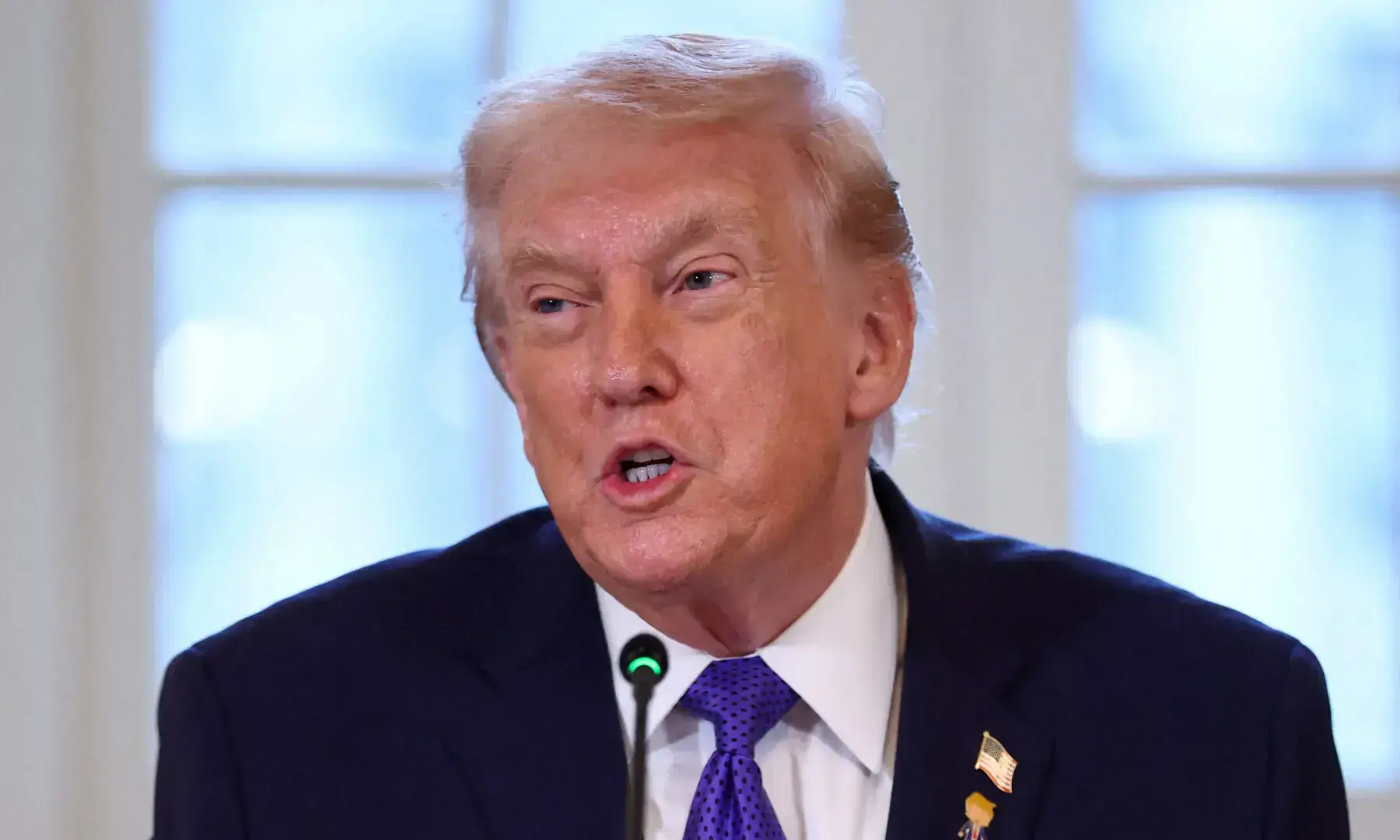
Recent remarks by Donald Trump have intensified concerns over Washington’s strategy in the ongoing conflict with Iran, while simultaneously exposing deep fractures within the NATO alliance.
Pentagon Shake-Up: US Army Chief Forced into Early Retirement Amid Iran War
A former Pentagon adviser, Jasmine El-Gamal, said Trump’s statements suggest a contradictory approach, combining calls for negotiations with threats of escalation. She argued that such mixed messaging could embolden Tehran, allowing it to push for negotiations on its own terms by increasing pressure on US interests and global energy markets.
Trump recently warned that the United States would strike Iran “very hard” in the coming weeks, even as he reiterated his desire for a deal to end the conflict. Analysts say this back-and-forth stance has hindered diplomatic progress and prolonged uncertainty surrounding the war.
Meanwhile, Emmanuel Macron rejected the idea of reopening the Strait of Hormuz through military force, calling it unrealistic and risky. He stressed that any solution must involve diplomatic engagement with Iran, highlighting differences between the US and its European allies.
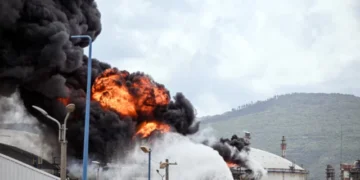
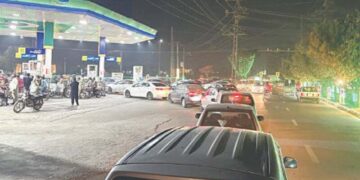
The conflict, which began on February 28 following US and Israeli strikes on Iran, has disrupted global energy supplies and heightened geopolitical tensions. Tehran has effectively closed the strategic Strait of Hormuz, through which a significant portion of the world’s oil and gas flows.
The crisis has also placed unprecedented strain on NATO, a 76-year-old alliance that has long been the cornerstone of European security. Trump’s criticism of European allies for not supporting US efforts in the Gulf, coupled with his renewed threats to withdraw from the alliance, has alarmed diplomats and analysts.
Experts warn that NATO is now facing one of the most serious challenges in its history, with growing doubts about the reliability of US security commitments. Some European officials have even begun considering scenarios in which the continent must defend itself without American support.
At the same time, Iran has escalated its military posture. Senior commanders have warned that any US ground invasion would be met with overwhelming force, while officials insist that the country’s strategic capabilities remain intact despite US claims of significant military damage.
With the war entering its fifth week and no clear resolution in sight, the combination of military escalation, diplomatic uncertainty, and alliance tensions continues to fuel instability across the Middle East and beyond.