

Authority to Deliver Affordable, Reliable Power, Boost Exports and Employment, CM
Sindh and Energy Minister efforts are Welcomed, President KATI
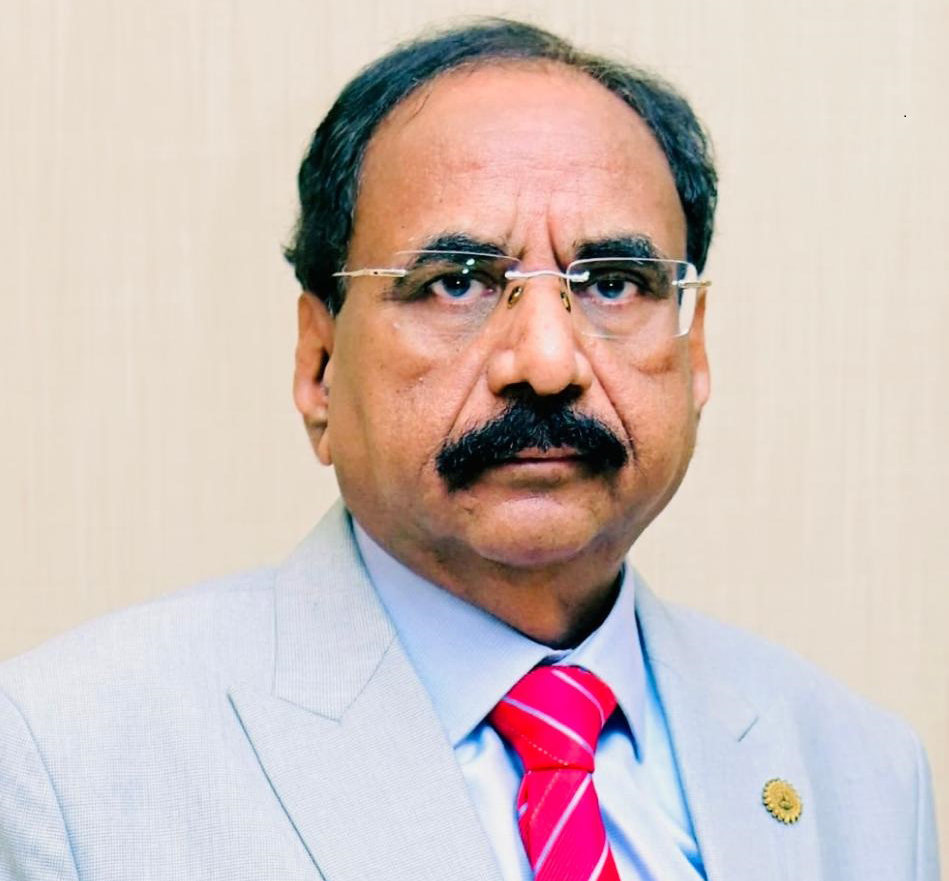
KARACHI: The President of Korangi Association of Trade and Industry (KATI), Muhammad
Ikram Rajput, has welcomed the Sindh cabinet’s approval of the Sindh Electric Power
Regulatory Authority (SEPRA), including the appointment of its chairman and members,
describing it as a major development for the power sector. He noted that the authority has
been established under the Sindh Regulation of Electric Power Services Act, 2023.
Rajput termed the establishment of SEPRA a historic and strategic initiative by the Sindh
government and extended congratulations to CM Sindh Murad Ali Shah and Energy Minister
Syed Nasir Hussain Shah. He said the move would strengthen provincial autonomy in the
electricity sector while creating new opportunities for industrial growth.
He also congratulated Rafique Ahmed Sheikh on his appointment as chairman, along with
Nand Lal P. Sharma as Member Technical and Development, Irtafa ur Rehman as Member
Legal and Corporate, and Muhammad Hanif Idris as Member Finance and Policy. Rajput
expressed confidence that the new leadership would ensure transparent, professional and
forward-looking regulation in Sindh’s power sector.
He highlighted that Sindh possesses abundant low-cost power generation resources,
including vast wind corridors, significant solar potential and local coal reserves. With an
empowered provincial regulator in place, the province can better utilize renewable and
other energy sources to accelerate industrial expansion and economic growth.
Rajput noted that Karachi, the backbone of the national economy stands to benefit
substantially from an effective regulatory framework aligned with provincial requirements.
Affordable and reliable electricity, he said, is critical for industrial competitiveness, export
growth and job creation.
The KATI president emphasized that the Sindh Transmission and Dispatch Company can
also play a key role in transmitting electricity across the province at competitive rates.
Strengthening transmission infrastructure would help deliver low-cost power efficiently to
industrial centers, reducing overall energy costs.
He proposed that the next phase should include the establishment of dedicated industrial
energy zones with a consumption capacity of 3,000 to 5,000 megawatts. Such zones, he said,
would attract investment, boost manufacturing, enhance value addition and generate large-
scale employment opportunities.
Rajput concluded by stating that aligning energy planning with industrial corridor
expansion is both timely and economically prudent, adding that KATI would extend full
cooperation to the Sindh government and SEPRA to ensure the new regulatory framework
delivers affordable, sustainable and growth-oriented energy solutions for the province.