Islamabad: The government of Pakistan has assured the International Monetary Fund (IMF) that it will phase out Rs140 billion worth of gas cross-subsidies by January 2027, marking a major shift in the country’s energy pricing and subsidy structure.
Global Competitiveness Vital for Pakistan’s Economic Future, Says Ambassador Khalil Hashmi
Under the new framework, subsidies on gas and electricity will no longer be based on consumption levels but instead on household income. Officials said the Benazir Income Support Programme (BISP) database will be used to identify eligible low-income households for direct financial assistance.
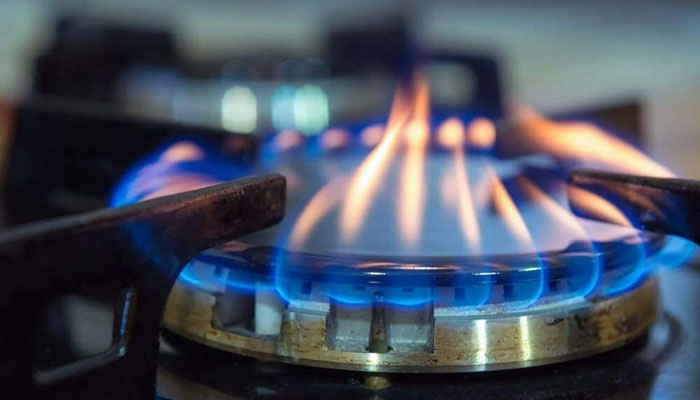
According to senior officials in the Petroleum Division, the current system provides subsidized gas rates to “protected” consumers and partially to some “non-protected” categories. However, the cost of these subsidies is currently borne by industrial, commercial, CNG, cement sectors, and high-consuming domestic users.
The government now plans to eliminate this cross-subsidy mechanism entirely and replace it with a uniform average tariff for all consumers. Direct cash support will be provided only to low-income households to ensure targeted relief.
Officials noted that the current average gas tariff stands at around Rs1,750 per MMBtu, while protected consumers are paying significantly lower rates, creating fiscal pressure and market distortions in the energy sector.
The proposed reform is part of broader structural benchmarks under Pakistan’s ongoing engagement with the IMF, aimed at improving energy sector efficiency, reducing circular debt, and ensuring more transparent subsidy distribution.