

Islamabad: The government on Thursday announced a massive increase in fuel prices, raising petrol by Rs137 per litre to Rs458 and high-speed diesel (HSD) by Rs184 to Rs520, in response to rising global oil prices linked to the ongoing US-Israel-Iran conflict.
Suicide Car Bombing at Domel Police Station in Bannu Kills Five, Injures 13
Under the revised rates, petrol rose by 42.7 per cent from Rs321.17 to Rs458.41 per litre, while HSD jumped 55 per cent from Rs335.86 to Rs520.35. Kerosene prices were also increased by Rs34 to Rs457.80 per litre, with all changes taking immediate effect.
To manage the fiscal impact, the government adjusted the petroleum levy by increasing it on petrol to Rs160 per litre while reducing it to zero on diesel, aiming to contain transport and freight costs.
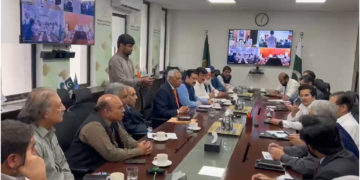
Petroleum Minister Ali Pervaiz Malik described the measures as “difficult but responsible,” stating that the decisions followed high-level consultations involving Prime Minister Shehbaz Sharif, the president, military leadership, and provincial chief ministers.
Finance Minister Muhammad Aurangzeb said the government was shifting from blanket subsidies to targeted relief while maintaining commitments under the International Monetary Fund programme.
To cushion the impact, the government introduced a range of targeted subsidies. Motorcycle users will receive Rs100 per litre subsidy on petrol, capped at 20 litres per month for three months. Small farmers will get Rs1,500 per acre as one-time support during the harvest season.
Transport sector relief includes a Rs100 per litre subsidy for inter-city goods and passenger transport, with monthly reviews. Trucks transporting essential food items will receive Rs70,000 per month, while large transport vehicles will get Rs80,000. Public service vehicles will be provided Rs100,000 monthly to keep fares stable.
The government also pledged financial support to Pakistan Railways to ensure affordable passenger and freight services.
As part of energy conservation efforts, authorities plan to enforce early market closures nationwide to save around 1,200 megawatts of electricity during peak hours. New business timings will be announced in consultation with provinces.
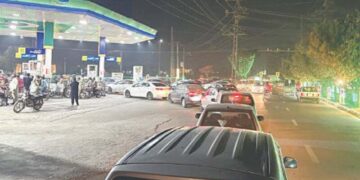
Officials said global oil markets had become highly volatile, with crude prices in Oman and Dubai benchmarks surging by 80–90 per cent and diesel reaching nearly $250 per barrel. The government warned that several countries had already faced fuel shortages and unrest due to panic buying.
Meanwhile, the finance minister met US Chargé d’Affaires Natalie Baker to discuss Pakistan’s economic outlook and ongoing engagement with international financial institutions. Islamabad is expected to seek flexibility in its IMF programme to manage external pressures stemming from rising energy costs.
The US side reaffirmed support for Pakistan’s reform agenda and acknowledged efforts to stabilise the economy under challenging global conditions.