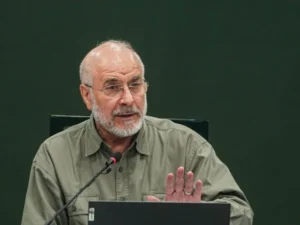
Pakistan Army Chief Field Marshal Asim Munir Departs for Iran on Key Diplomatic Visit
Web Desk May 22, 2026Asim Munir, Chief of Defence Forces (CDF) and Chief of Army Staff (COAS), departed for an official visit to Iran on Friday as part of Pakistan’s ongoing diplomatic efforts aimed at easing tensions between Iran and the United States, according to security sources.
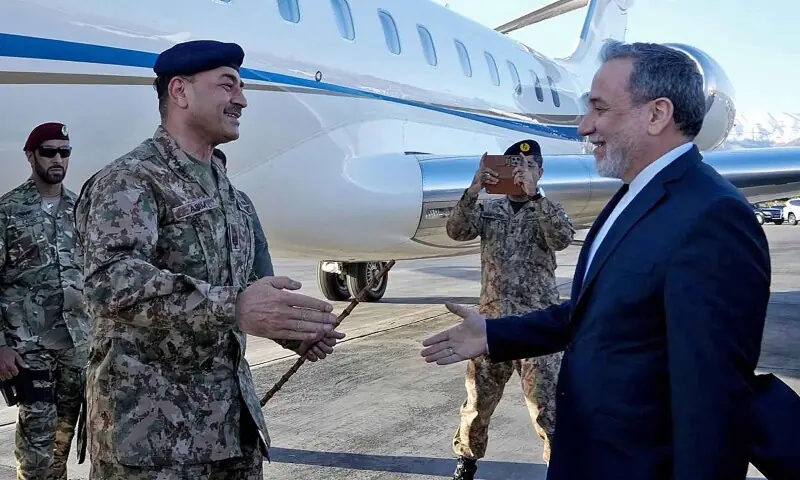
Asim Munir, Chief of Defence Forces (CDF) and Chief of Army Staff (COAS), departed for an official visit to Iran on Friday as part of Pakistan’s ongoing diplomatic efforts aimed at easing tensions between Iran and the United States, according to security sources.
Fake News Causing Serious Harm to Society, Says MQM MNA Hassan Sabir
During the visit, Field Marshal Asim Munir is expected to hold meetings with senior Iranian leadership to discuss regional peace, mediation efforts between Tehran and Washington, and broader security issues affecting the Middle East.
The high-level visit comes at a critical time as Pakistan continues its role as a facilitator in efforts to revive stalled negotiations between Iran and the United States after plans for a second round of talks in Islamabad were postponed.
Pakistan had previously brokered a ceasefire between Iran and the US on April 8, paving the way for the first round of direct talks held in Islamabad on April 11 and 12. Although the talks concluded without a formal agreement, both sides avoided a breakdown in negotiations.
US President Donald Trump later postponed a planned visit by US Special Envoy Steve Witkoff and adviser Jared Kushner for a second round of talks in Islamabad. However, Trump extended the ceasefire indefinitely following requests from Field Marshal Asim Munir and Prime Minister Shehbaz Sharif.
Pakistan has since intensified diplomatic engagement to break the deadlock. Interior Minister Mohsin Naqvi recently visited Tehran twice within a week, meeting Iranian President, Parliament Speaker, and Foreign Minister Abbas Araghchi to help revive negotiations.
Diplomatic sources said Pakistan continues to relay messages between Tehran and Washington, although major disagreements remain over Iran’s nuclear programme, sanctions relief, the Strait of Hormuz, and regional security concerns linked to missile capabilities and allied armed groups.
The latest diplomatic contacts are taking place amid mounting pressure from the United States and its regional allies. President Donald Trump recently warned that military strikes could resume if negotiations fail to produce results within a limited timeframe.
Iran, meanwhile, has warned that any renewed US aggression could trigger a wider confrontation extending beyond the Middle East, while also maintaining that diplomatic solutions remain possible.
Pakistan’s Foreign Office has reiterated that Islamabad remains committed to facilitating dialogue and de-escalation efforts despite ongoing challenges in the negotiation process.