

The National Disaster Management Authority (NDMA) has issued a warning about an increased risk of glacial lake outburst floods (GLOF), flash floods, and landslides in Gilgit-Baltistan and Khyber Pakhtunkhwa from April 1 to April 10.
Islamabad High Court Adjourns Imran Khan, Bushra Bibi Sentence Suspension Plea in £190m Case
According to the advisory, rising temperatures in northern mountainous regions combined with an expected widespread weather system could trigger flooding, mudslides, and landslides, particularly near glacier termini and vulnerable zones.
The NDMA urged local communities to remain vigilant and called on federal and provincial authorities, as well as district administrations, to closely monitor high-risk areas and ensure timely early warning, evacuation, and emergency response measures. Rescue agencies, including emergency services and civil defence teams, have been directed to stay on high alert with necessary personnel and equipment.
The authority also advised the public to avoid unnecessary travel in affected regions, especially near rivers, streams, and glacier-prone areas. Tourists have been specifically cautioned against trekking or approaching glaciers during the forecast period.
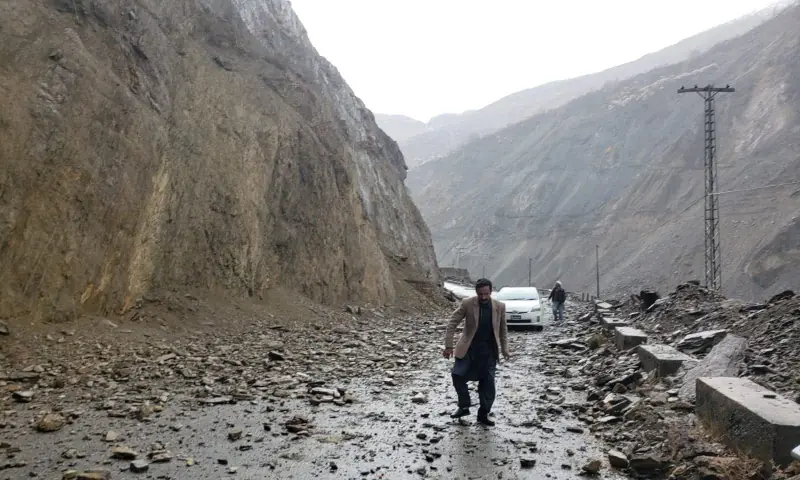
The warning comes amid ongoing rain and snowfall in Gilgit-Baltistan, which has caused unusually cold weather and disrupted travel. Sections of the Karakoram Highway were partially blocked due to heavy rainfall in Kohistan and Hunza, though traffic has since been restored. Thousands of passengers faced delays and temporary stranding during the disruption.
Environmental experts have raised concerns over changing climate patterns in the region, noting delayed snowfall, rising temperatures, and accelerated glacial melting in recent years. Data from the Gilgit-Baltistan Environmental Protection Agency indicates a gradual increase in average temperatures, contributing to a higher frequency of flash floods and GLOF events.
Authorities warn that communities living downstream of rivers and glacial lakes remain particularly vulnerable and may face significant risks during the upcoming weather