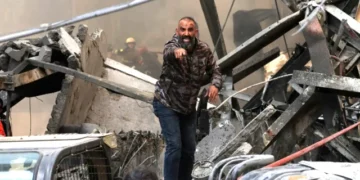


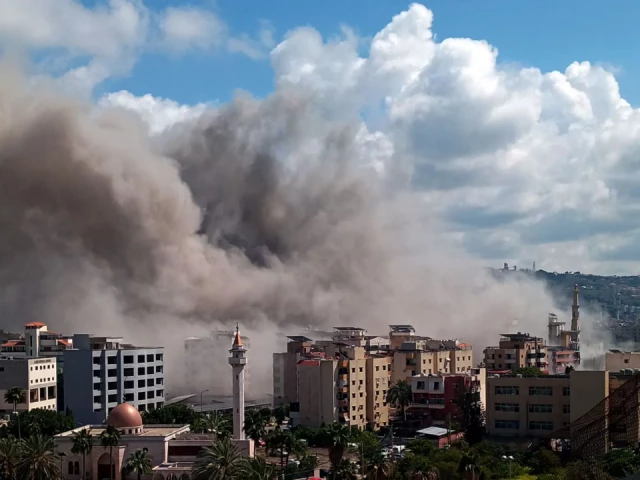
Israel has announced plans to begin direct peace talks with Lebanon, focusing on disarming Hezbollah and establishing long-term peaceful relations, according to Prime Minister Benjamin Netanyahu. The statement comes amid renewed Israeli airstrikes across southern Lebanon, which have killed more than 250 civilians and triggered widespread destruction in densely populated areas.
Pakistan Gains Russian Market Access for Punjab Potato Exports
Lebanese President Joseph Aoun emphasized that a ceasefire between Israel and Lebanon must precede negotiations, while Israel insists its operations against Hezbollah are not covered by the US-brokered truce with Iran. The ongoing strikes threaten to derail the Pakistan-mediated ceasefire between the United States and Iran, which is due to be discussed in peace talks in Islamabad starting Saturday.
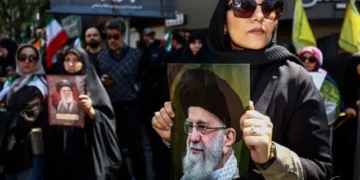
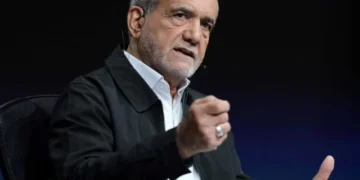
Prime Minister Shehbaz Sharif condemned Israel’s actions and reaffirmed Pakistan’s commitment to facilitating dialogue. Iranian officials, including President Masoud Pezeshkian, also denounced the attacks, calling them a “blatant violation” of the ceasefire. Iran’s Revolutionary Guards issued alternative shipping routes in the Strait of Hormuz to avoid mines, maintaining tight control over a strategic global energy corridor.
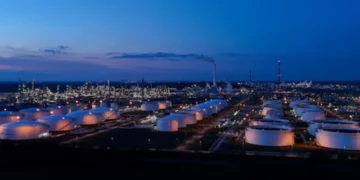
The conflict has sent oil prices soaring, with Brent crude hitting $96.71 per barrel and West Texas Intermediate at $97.01, reflecting heightened geopolitical risks and disrupted supply. Hezbollah has resumed retaliatory strikes, while Israel targeted key militants and infrastructure, including the nephew of Hezbollah’s Secretary-General Naim Qassem.
International actors, including the EU, Britain, France, Canada, and Japan, have urged all sides to honor the ceasefire, stressing that Lebanon must be included. Spain announced plans to reopen its embassy in Tehran, and Italy and the UK have emphasized the importance of free navigation through the Strait of Hormuz.
The war has already caused immense human suffering, with over 1,700 killed in Lebanon since the conflict began, alongside mass displacement and widespread destruction of civilian infrastructure. The region faces a precarious moment, as conflicting agendas between Israel, Iran, and the United States complicate the fragile truce and threaten further escalation.