
Iran Launches Missile Strike as Israel-Hezbollah Tensions Escalate
Web Desk June 8, 2026
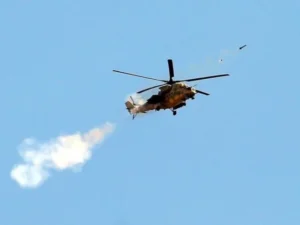
Iran's missile strike on Israel signals a potential shift in regional strategy. PHOTO BY BBC
The latest Iran Attack on Israel has sparked fresh debate across the Middle East. While military analysts suggest the immediate battlefield impact was limited, the political implications could be far more significant.
Moreover, the strike marks a notable departure from Iran’s previous approach. Tehran reportedly launched missiles and drones following Israeli attacks linked to Hezbollah targets in Lebanon, signaling that threats against its regional allies may now trigger direct responses.
Iran Attack Changes Regional Calculations
For years, Iran generally justified direct military action against Israel as retaliation for attacks on Iranian territory, commanders, or strategic interests.
This time, however, the circumstances were different. Tehran acted after an Israeli strike on a Hezbollah-linked building in southern Beirut. As a result, analysts are examining whether Iran is redefining its security doctrine.
Iran’s military later stated that it would halt strikes unless further attacks occurred. Nevertheless, the decision to launch the operation has raised important questions about Tehran’s strategic thinking.
Tehran Signals Strength Through Iran Attack
Iran emerged from months of regional conflict facing both challenges and opportunities. Despite economic sanctions and sustained military pressure, the government remained in power and maintained control of its security institutions.
Consequently, Iranian leaders may now view their position differently. Rather than acting primarily to avoid confrontation, Tehran could believe it has demonstrated resilience and can establish new deterrence measures.
Many observers argue that the Iran Attack was designed less as retaliation and more as a warning. According to analysts, Tehran may be signaling that future attacks on its allies will carry broader consequences.
Hezbollah Alliance Remains Central
The strike also carried an important message for Hezbollah and other groups aligned with Iran across the region.
Iran’s influence has long depended on its willingness to support allied organizations. Therefore, failing to respond after issuing warnings could have weakened confidence among partners within the so-called “Axis of Resistance.”
In addition, regional governments and international observers were closely watching Iran’s response. By acting directly, Tehran may have sought to reinforce its credibility among both allies and rivals.
Donald Trump Talks and Iran Attack Timing
The timing of the operation has attracted particular attention. Recently, US President Donald Trump suggested that diplomatic progress between Washington and Tehran might be achievable.
Conventional diplomatic logic would suggest avoiding military escalation during sensitive negotiations. However, Iran may view the situation differently.
Some analysts believe Iranian leaders calculated that a limited military action could strengthen their bargaining position. By demonstrating military capability, Tehran may be attempting to increase leverage while keeping diplomatic channels open.
At the same time, the operation appeared measured enough to avoid making wider escalation inevitable.
Iranian Public Divided Over Iran Attack
Public reactions inside Iran reportedly reveal differing opinions about the latest confrontation.
Some citizens viewed the action as a justified response to developments in Lebanon. Others questioned whether Iranian resources should focus more heavily on domestic concerns and security challenges within the country.
Meanwhile, many expressed concern about the possibility of a broader regional conflict. Several observers noted fears that renewed hostilities could increase instability across the Middle East.
Yet others argued that the exchange is unlikely to develop into a full-scale war. They believe all parties remain aware of the significant risks associated with direct military confrontation.
Tehran Seeks New Regional Position
Another interpretation suggests that Iran may be dissatisfied with the pace and direction of ongoing diplomatic negotiations.
If Tehran believes it is being asked to make concessions without receiving sufficient benefits, then demonstrating military strength could serve as a negotiating tool. Therefore, the Iran Attack may represent both a security signal and a diplomatic message.
The key issue now is whether Iranian leaders believe they can simultaneously pursue diplomacy and enforce new regional red lines. If that assessment proves correct, Tehran could be attempting to establish a new strategic reality across the Middle East.
For now, the missile strike suggests a leadership that appears more confident than many analysts expected only months ago. Consequently, the coming weeks may reveal whether this approach strengthens Iran’s position or increases the risk of further regional tensions.