Inside the Tech 2026 How AI Is Making Ride-Hailing Safer in Pakistan
inDrive combines artificial intelligence, real-time monitoring and human oversight to identify potential risks and strengthen passenger and driver safety
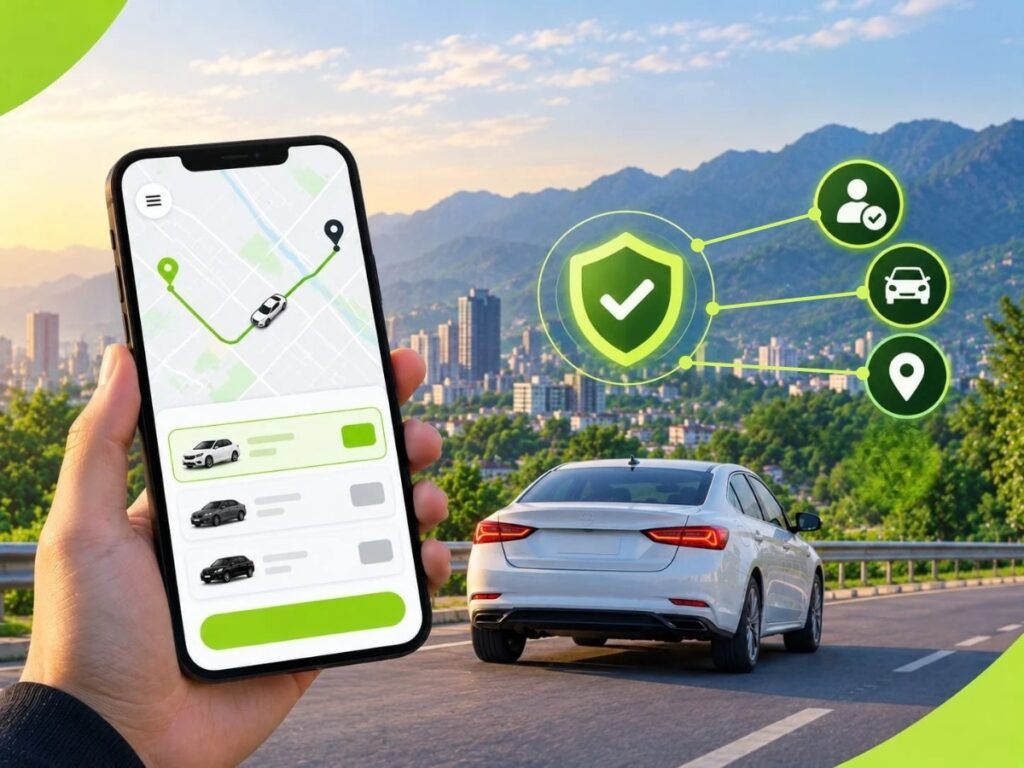
AI Safety technology supports inDrive’s ride-hailing platform in Pakistan.
Pakistan’s digital economy continues to reshape urban mobility. Ride-hailing has evolved from a convenient transport option into an essential service for millions of people.
Among the platforms driving this change is inDrive, which operates across major Pakistani cities. The company is known for its peer-to-peer (P2P) model, allowing passengers and drivers to negotiate fares using real-time market suggestions.
According to the company, these suggestions update every 30 minutes. The model gives users greater flexibility and choice without relying on algorithmic fare pressure or penalties.
However, fare transparency represents only one aspect of the platform’s technology. Behind the booking process, inDrive says it is developing an AI-powered safety ecosystem to help protect passengers and drivers throughout their journeys.
AI Shifts Safety Towards Prevention
For inDrive, safety goes beyond responding to incidents after they occur. The company describes it as a continuous process integrated into different stages of its operations.
Artificial intelligence plays a central role in this approach. Rather than relying only on reactive measures, the platform uses automated systems to identify potential risks before they escalate.
Sindh Labour Department to Set Up Registration Helpdesk at SITE Association
These systems analyse multiple data signals in real time. They include account verification, user communications, route information and customer feedback.
By examining these interconnected signals, the platform aims to identify unusual activity and flag potential safety concerns.
Verification Starts Before the Journey
The safety process begins before a driver accepts a ride. During onboarding, machine learning tools help verify driver documents, vehicle registration details and profile photographs.
This automation can speed up checks and reduce the risk of human error.
In addition, fraud detection models look for duplicate profiles and multiple accounts operating on a single device. The platform can restrict suspicious accounts to protect its integrity and support genuine users.
AI Monitors In-App Communication
Safety measures continue after passengers request a ride. Machine learning models examine order details, usernames and profile images for potential policy violations.
The platform also uses automated filters to moderate in-app chats and photo exchanges. These tools aim to detect offensive content, explicit material, harassment and other prohibited interactions.
When systems identify serious violations, they can issue account warnings or impose temporary restrictions. The platform also refers serious cases to specialised safety teams for further review.
Human Oversight Remains Central
Despite its reliance on artificial intelligence, inDrive says it does not leave final safety decisions entirely to algorithms.
Machine learning systems analyse large volumes of data and identify unusual patterns. They then flag potential risks for human safety specialists.
These experts review serious cases and make final operational decisions. This approach combines automated detection with human judgment.
Combining Technology with User Choice
By bringing together artificial intelligence, human oversight and its peer-to-peer fare model, inDrive aims to strengthen safety across Pakistan’s ride-hailing sector.
The approach highlights how technology can support both operational security and user choice. As digital mobility expands, platforms face growing pressure to make journeys safer and build trust among passengers and drivers.
For inDrive, the challenge is to ensure that innovation delivers more than convenience. It must also provide users with confidence throughout every journey.