

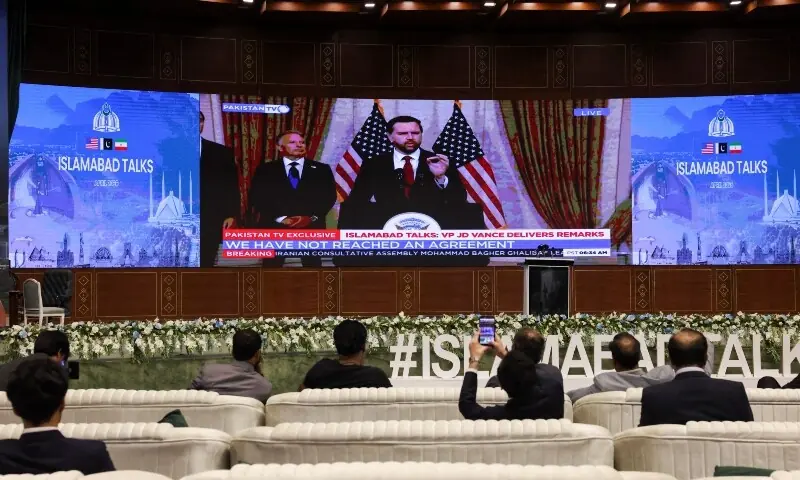
Pakistan and key global stakeholders have called on the United States and Iran to uphold and extend a fragile ceasefire after high-level talks in Islamabad failed to produce a breakthrough.
Police Constable Martyred in Attack on Polio Security Team in KP’s Hangu
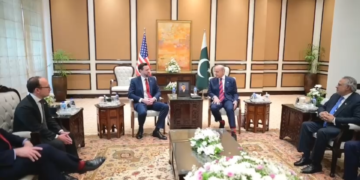
The negotiations, held after weeks of conflict triggered by US and Israeli strikes on Iran on February 28, ended without agreement, raising concerns about a potential return to hostilities. Despite the deadlock, a temporary two-week truce remains in place.
Speaking in Islamabad, Foreign Minister Ishaq Dar stressed that it was “imperative” for both sides to honour the ceasefire to ensure long-term peace in the region and beyond. He reaffirmed that Pakistan would continue facilitating dialogue between Iran and the United States.
Dar described the negotiations as “intense and constructive,” noting that delegations from both sides engaged in nearly 24 hours of discussions before concluding without a deal. He expressed hope that the positive diplomatic momentum would continue.
International leaders echoed Pakistan’s call for restraint. Australian Foreign Minister Penny Wong urged both sides to maintain the ceasefire and return to negotiations, calling the outcome of the Islamabad talks “disappointing.”
The European Union also emphasized the importance of diplomacy. EU foreign affairs spokesperson Anouar El Anouni praised Pakistan’s mediation efforts and reiterated that diplomatic engagement remained “essential” to resolving the conflict. He added that Brussels was ready to support further peace efforts in coordination with international partners.
Similarly, Oman Foreign Minister Badr Albusaidi appealed for continued dialogue, urging both sides to extend the ceasefire. Reflecting on prior engagements with US officials, he said avoiding prolonged conflict should remain a priority, even if it requires difficult compromises.
From the United Kingdom, government minister Wes Streeting also expressed disappointment over the stalled talks but stressed that continued diplomatic efforts were necessary. He noted that setbacks are common in diplomacy and should not deter future negotiations.
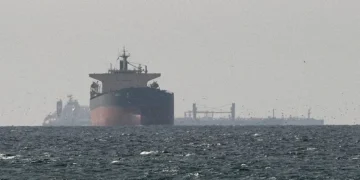
Meanwhile, signals from Tehran suggest caution regarding further talks. Iranian state media reported that the country is in no immediate rush to resume negotiations, with officials indicating that key issues — including the status of the Strait of Hormuz — remain unresolved. Reports also suggest that Iran may keep the strategic waterway restricted until a “reasonable deal” is reached.
As tensions persist, global powers continue to stress that extending the ceasefire and sustaining dialogue remain the only viable path toward lasting peace and regional stability.