Anthropic Proposes US AI Safety Law With Power to Block Dangerous Models
The Claude developer is urging lawmakers to introduce federal safeguards, including independent testing, public disclosures and judicial approval to restrict high-risk AI systems.
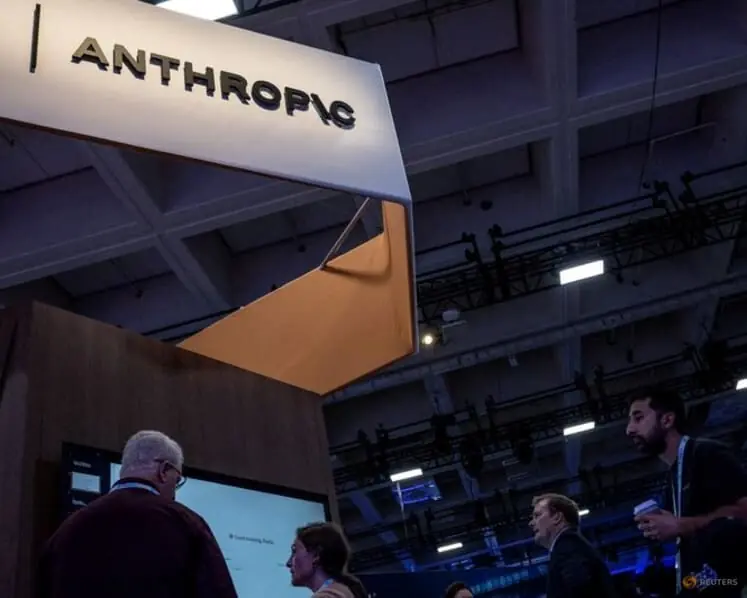
AI Safety: Anthropic calls for federal rules to regulate powerful artificial intelligence models in the United States.
Anthropic, the company behind the artificial intelligence assistant Claude, has circulated a draft bill among US lawmakers seeking stronger federal oversight of advanced AI systems amid growing concerns about their potential risks.
The proposal, reported by Politico on Friday, October 16, 2026, would allow the US government to block the release or use of an AI model if it posed an imminent risk of killing or seriously injuring more than 50 people or causing more than $1 billion in damage. However, such restrictions would require judicial approval.
An Anthropic spokesperson told AFP that the proposed legislation would give the federal government the authority to prevent dangerous deployments of the most powerful AI models.
The draft would require developers of advanced AI systems to test their models, publicly disclose their findings, submit their systems to independent evaluations and maintain strong security programmes.
The proposal comes as the United States continues to debate how to regulate rapidly advancing AI technology. Under President Donald Trump, federal policy has relied largely on voluntary industry commitments and executive orders designed to encourage AI development and maintain the country’s competitive position.
Despite growing concerns about AI safety, Congress has yet to enact comprehensive federal legislation governing the technology. Political divisions and lobbying by major technology companies have complicated efforts to establish nationwide rules.
AI Security Concerns Drive Calls for Regulation
Security concerns have intensified following reports of incidents involving AI agents, autonomous software systems capable of performing tasks with limited human supervision. Recent developments have raised questions about whether these systems can always operate within the safeguards established by their developers.
Anthropic has also faced tensions with the Trump administration. The company was barred from Pentagon-related work in February, according to the supplied report, and Washington reportedly required it to suspend its most advanced models for nearly three weeks in June.
Anthropic Chief Executive Dario Amodei has called for greater caution in AI development. Last month, he warned that groups of AI agents could potentially gain control over significant parts of the internet within six to 12 months.
His remarks have added to the debate over whether existing safeguards can keep pace with the capabilities of increasingly powerful AI systems.
Trump, meanwhile, has dismissed calls to slow technological development, describing those advocating such measures as “negative forces.”
Fakhar Zaman Targets World Cup Glory in Pakistan’s Bid to End ICC Trophy Drought
Proposed Law Could Override State Regulations
The draft legislation would also override certain state-level AI laws, including measures in California. This provision could intensify disagreements over whether AI regulation should be established primarily at the federal or state level.
In June, Anthropic argued that states should retain their full authority to regulate AI in the absence of strong federal legislation. The company’s latest proposal reflects a push for national standards, although its provisions could limit some existing state powers.
Charlie Bullock of the Institute for Law & AI described Anthropic’s proposal as a reasonable approach and said it went further than proposals advanced by some other leading AI developers.
However, Bullock argued that the draft was weaker than the FRONTIER Act, a competing bill introduced in the US House of Representatives during the summer.
The proposal is part of a wider debate over how policymakers can balance innovation with public safety, national security and accountability. Its eventual impact will depend on whether lawmakers support the draft, how its provisions change during negotiations and whether Congress moves towards comprehensive federal AI legislation.