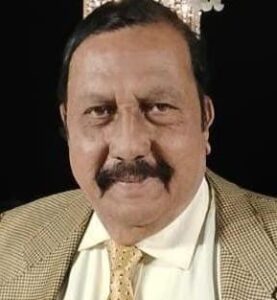
Remove Illegal Encroachments from Karachi and Provide Vendors Alternative Business Locations Kaukab Iqbal
CAP chairman calls for weekly markets, transparent vendor registration and strict enforcement of official prices to protect consumers and livelihoods
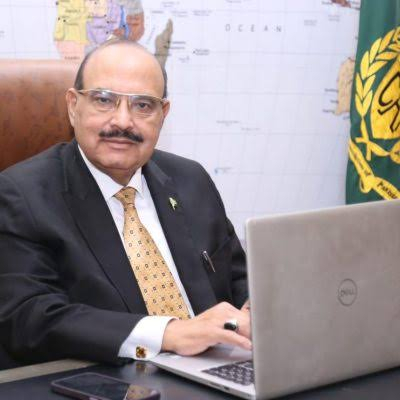
Karachi Encroachments: Kaukab Iqbal calls for clear footpaths and alternative business locations for vendors.
Consumers Association of Pakistan (CAP) Founder and Chairman Kaukab Iqbal has welcomed Sindh Information Minister Sharjeel Inam Memon’s announcement to remove illegal pushcarts and encroachments across Karachi.
He described the initiative as positive and commendable. However, he stressed that authorities must implement it promptly and effectively.
Iqbal said unregulated pushcarts and illegal encroachments on major roads, thoroughfares and footpaths had disrupted traffic and created serious difficulties for pedestrians. He reminded authorities that footpaths serve the public and must remain accessible for pedestrian movement.
Therefore, he called for the immediate removal of illegal commercial activities from roads and footpaths.
Protect Vendors’ Livelihoods Through Alternative Arrangements
Iqbal urged town administrations, district authorities and municipal bodies to play an active role in removing encroachments. He said the operation should also restore Karachi’s appearance and improve traffic management.
However, he emphasised that authorities must protect the livelihoods of poor vendors. Thousands of families depend on pushcart businesses for their daily income. Removing their stalls without alternative arrangements could cause unemployment and financial hardship.
Sindh Police Welcomes 783 New ASIs After Nine Months of Training
He proposed that the Sindh government establish weekly markets at suitable government-owned sites and large open spaces across Karachi.
Authorities should allocate designated business spaces through a transparent system. This should include vendor registration, numbered stalls and official allotments. Such arrangements would allow vendors to continue earning legally while keeping roads and footpaths clear.
End Illegal Collections and Protect Consumers
The CAP chairman also called for an end to unauthorised collections from vendors by individuals or departments.
He proposed an official fee structure for allocated spaces. A transparent payment system, he said, would prevent exploitation through illegal charges and extortion.
Iqbal also highlighted the need to protect consumers. Vendors operating in designated markets must follow government-notified price lists.
Authorities should take strict action against sellers who charge above official rates. This would help prevent overcharging and profiteering while safeguarding consumers’ rights.
CAP Calls for a Comprehensive Action Plan
Iqbal urged the Sindh government, Commissioner Karachi, deputy commissioners, town chairmen and municipal authorities to prepare an immediate and comprehensive action plan.
He called for authorities to identify affected locations and establish clear implementation deadlines. He also proposed special enforcement teams and defined responsibilities to ensure effective action.
In addition, he stressed the need for permanent monitoring. This would prevent illegal stalls and other encroachments from returning after clearance operations.
He said weekly markets, alternative business locations, vendor registration and enforcement of official prices must form essential parts of the government’s policy.
Karachi cannot become clean, Organised and attractive through temporary operations alone. The city needs a lasting policy, effective enforcement and continuous supervision.
Balance Public Access with Lawful Livelihoods
Iqbal concluded that the government must ensure open roads and footpaths, smoother traffic and protection for consumers. At the same time, it should eliminate illegal collections and provide hardworking vendors with dignified, lawful opportunities to earn their livelihoods.
He said a balanced approach could improve the city’s public spaces without ignoring the economic needs of thousands of small vendors.