Petrol Subsidy Delays Leave Thousands of Consumers Without Relief in Pakistan
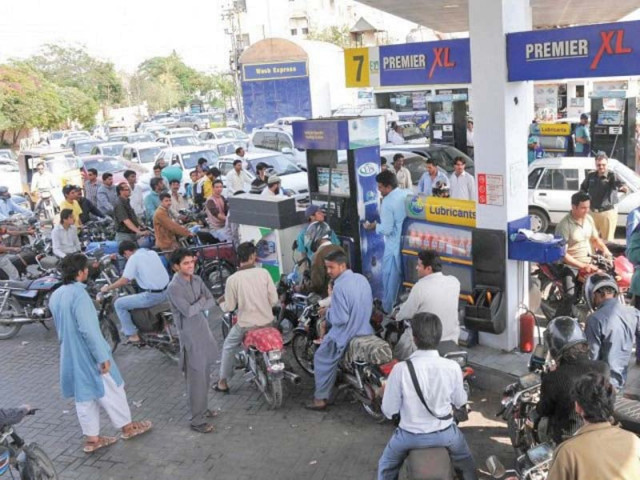
Petrol subsidy problems prompt fuel station audits and registration checks across Pakistan.
Pakistan’s petrol subsidy programme is facing implementation problems, leaving thousands of consumers without the promised relief. The scheme was announced last month to support motorcycle, rickshaw and small-car owners amid elevated international oil prices.
According to The Express Tribune, a high-level meeting reviewed the problems. Officials informed participants that around 31,000 consumers had been denied the subsidy or had failed to redeem their tokens.
The meeting also examined expired tokens and complaints about fuel stations refusing service. Authorities discussed measures to improve registration, resolve technical faults and help eligible consumers access the scheme.
Thousands Face Token Expiry and Redemption Problems
The petroleum minister sought an update on the removal of token expiry. Officials reported that 10,344 tokens had expired.
LPG Price Hike Fuels Inflation Across Pakistan as Food Costs Surge
The IT and Telecom minister said a survey message had reached approximately 31,000 citizens whose tokens had expired. The survey identified four reasons for non-redemption.
Around 11,000 respondents cited a lack of time. Officials continued discussions with the Petroleum Dealers Association on expired tokens.
The meeting chair said authorities should consider station refusals and technical failures together. In many cases, citizens learned about system problems from fuel station staff.
Officials proposed sending follow-up messages to approximately 13,000 citizens who reported refusal or technical faults. The messages would encourage them to revisit stations and rebook their tokens. The meeting also called for a brief complaint sheet.
Helpline Records Reveal Registration Issues
The IT minister reported that the 9771 helpline had received 3,000 calls. Around 400 cases were resolved at the first level.
Punjab accounted for 1,700 calls, while Sindh recorded 618. The complaints included:
972 cases related to registration issues.
414 cases involving a province mismatch.
72 cases concerning incomplete registration.
250 cases involving duplicate registration attempts that required verification.
Officials also reviewed reports of service refusal across the provinces.
Punjab reported negligible refusal following continuous field inspections. Sindh reported a rate below 1%, while Gilgit-Baltistan reported no cases.
In Khyber-Pakhtunkhwa, officials directly contacted 200 complainants. Four reported refusal at fuel stations, with each case linked to a temporary internet outage.
However, the meeting chair cautioned against relying solely on helpline figures. Some citizens may leave a station without formally registering a complaint.
Authorities Set a Benchmark for Fuel Stations
Officials reviewed redemption figures from approximately 8,000 fuel stations. The programme had recorded four million redemptions, averaging nearly 500 per station nationwide.
The chair established a benchmark of 50 redemptions. Stations recording fewer than 50 would face audits to identify possible service or technical problems.
The minister said deputy commissioners could now download city-wise station lists through the programme dashboard.
Provincial and district administrations will audit stations below the threshold. They will also monitor the busiest stations in each city and provide additional devices where queues occur.
The IT ministry will circulate city-wise station lists to public affairs units. These units will collect station-by-station feedback on service refusals.
Motorcycle Ownership Misconception Creates Confusion
The minister of state for finance said visits to 40 to 45 fuel stations revealed confusion among consumers and staff. Many believed applicants could receive the subsidy only if the motorcycle was registered in their own name.
He said authorities needed to correct this misunderstanding through public messaging.
The minister also noted differences between station locations. Inter-city stations mainly served motorcycles, while highway stations catered to long-distance traffic.
Meanwhile, Qingqi rickshaw drivers with valid documents were also experiencing system errors.
Authorities assigned assistant commissioners to compile lists of Qingqi drivers with valid identity cards and excise documents. The lists will help facilitate their registration.
The IT ministry will also obtain detailed reasons for incomplete registrations from the call centre and brief the relevant committee. It will share the remaining complaint logs with Khyber-Pakhtunkhwa officials so they can contact complainants directly.
The ministry must also report within two days the proportion of registered motorcyclists whose identity cards match the vehicle ownership records.
Complaint Reporting and Monitoring to Be Strengthened
The meeting directed provincial administrations to publicise the need to lodge a complaint whenever a fuel station refuses service. Officials will use the complaint records and field feedback to identify recurring problems.
The measures aim to improve the programme’s implementation and help eligible citizens receive the promised relief. However, consumers’ access to the subsidy will depend on resolving registration errors, addressing technical failures and ensuring that fuel stations follow the scheme’s procedures.