Trump’s Russia Policy Faces Bipartisan Pushback Ahead of US Midterm Elections
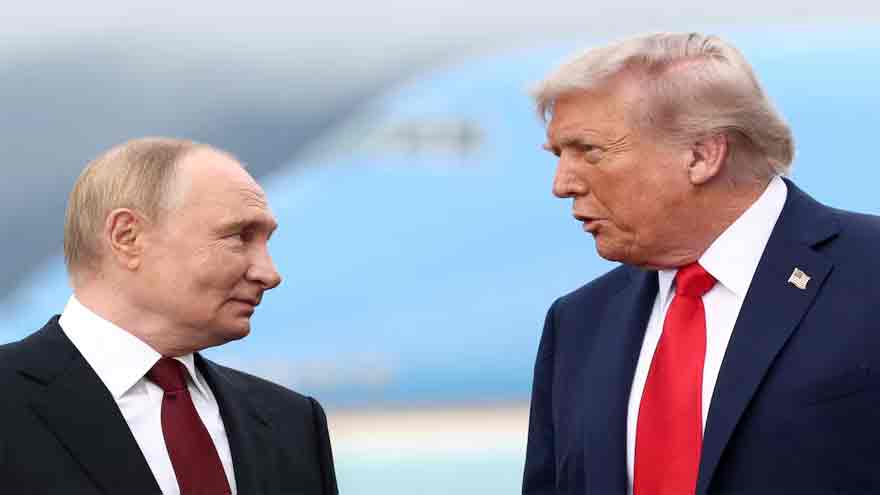
Russia Sanctions: US lawmakers challenge Trump’s approach to Moscow and Ukraine.
US President Donald Trump faces bipartisan opposition over his recent Russia policy. He has eased some economic restrictions on Moscow while increasing criticism of Ukraine. The dispute could complicate his agenda after the November 3 midterm elections.
Trump wants Russian President Vladimir Putin to negotiate an end to the war in Ukraine. To encourage talks, Trump has eased restrictions on Russian diesel exports. He has also waived newly enacted sanctions against Russian officials, wealthy business figures, banks and state-owned enterprises.
Meanwhile, Trump has increased pressure on Ukrainian President Volodymyr Zelenskiy. He has called for a change in Ukraine’s leadership. Reuters also reported last week that a satellite system used by Ukraine had been restricted. The system supports battlefield communications and drone operations. The move followed an order from within the White House.
Lawmakers Demand Full Enforcement of Russia Sanctions
On October 15, 17 Democrats and five Republicans in the House of Representatives sent Trump a letter. They urged him to enforce sanctions under legislation associated with the late Senator Lindsey Graham of South Carolina.
LHC Seeks Reports on Detention of PTI Workers in Lahore and Sheikhupura
The lawmakers demanded that Trump apply the measures “to their fullest extent and without delay.” They argued that Putin responds to pressure rather than goodwill.
Congress passed the legislation with overwhelming support. Trump signed it into law in mid-September. The Republican signatories included Brian Fitzpatrick of Pennsylvania, Joe Wilson of South Carolina, Michael McCaul of Texas, Don Bacon of Nebraska and Dan Newhouse of Washington state.
The dispute could intensify after the November 3 elections. Congress will consider defence and spending bills. Lawmakers could use these measures to challenge or change Trump’s Russia policy.
Fitzpatrick also warned against restricting the use of Starshield intelligence. The system helps alert Kyiv to potential Russian attacks. In a post on X on Monday, he called for a congressional investigation into any such move. He also threatened “harsh and punitive budget cuts” for responsible agencies or officials.
Experts Highlight Legislative Challenges
James Lindsay, a US foreign policy expert at the Council on Foreign Relations, said the Republican backlash was unsurprising. The Senate had supported the sanctions legislation on a bipartisan basis.
However, Lindsay warned that reversing the administration’s policy would be difficult. Congress would first need to overcome institutional and partisan divisions. Lawmakers might also have to overcome a presidential veto.
Even then, legislative action would not guarantee compliance, Lindsay said. His comments highlight the difficulties Congress could face in limiting the president’s approach to Russia.
Republicans Continue to Back Trump
Despite the criticism, several Republicans continue to support Trump’s policy toward Moscow.
Republican Senator Ted Budd defended the president’s decision to ease restrictions on Russian diesel sales. He spoke to Reuters at a Trump rally in North Carolina. Budd serves on the Senate Armed Services Committee.
Budd argued that the agreement could keep Moscow involved in peace negotiations. He described the financial benefit to Russia as relatively small. However, he said the concession could help bring Russia to the negotiating table.
The midterm elections will determine whether Republicans retain their narrow majorities in the House and Senate. Trump is not on the ballot. Nevertheless, the elections are widely viewed as a referendum on his presidency.
Voters are also concerned about rising consumer prices and the war involving Iran. These issues could shape the political debate during the campaign.
Senior Republicans Question Sanctions Waiver
A separate letter dated October 13 also criticised Trump’s diesel agreement. Five senior Senate Republicans and six Democrats signed the letter.
House Speaker Mike Johnson has also expressed reservations about suspending the new Russia sanctions. Johnson remains a strong supporter of Trump.
Johnson stressed that Putin could not be trusted. He said he had urged White House officials to discuss the issue carefully. He also warned about the possible unintended consequences of suspending the sanctions.
The debate highlights divisions within the Republican Party over relations with Moscow. Some lawmakers favour negotiations, while others want continued pressure on Russia. The midterm results could influence Congress’s ability to challenge Trump’s policy in the coming months.