
Pakistan Petrol Price Cut by 94 Paisa, Diesel Rises From August 13
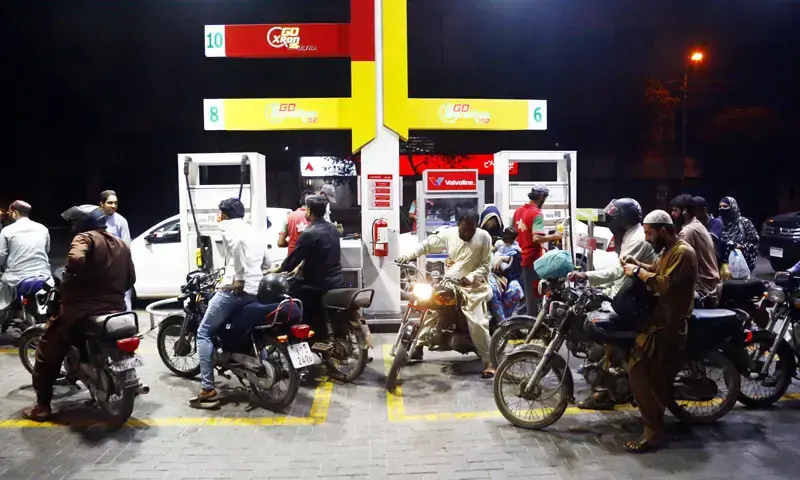
Pakistan announces new petrol and diesel prices effective August 13.
The government has reduced the petrol price by 94 paisa per litre but increased the price of high-speed diesel (HSD) by 54 paisa. The new rates will take effect from Thursday, August 13, according to a Petroleum Division notification.
Petrol will now cost Rs324.98 per litre. HSD will sell for Rs382.79 per litre.
The government continues to collect Rs114 per litre in taxes and duties on petrol. The levy on diesel stands at Rs100 per litre.
New fuel prices take effect
The latest adjustment comes as Pakistan moves towards a daily fuel pricing system. The government introduced the system in response to sharp movements in international oil markets.
Petroleum Minister Ali Pervaiz Malik had earlier announced the change. Under the new mechanism, the Oil and Gas Regulatory Authority (Ogra) will determine fuel prices according to international market trends.
USS Abraham Lincoln Faces Scrutiny as Democrats Question Conditions on Record Deployment
Previously, authorities revised fuel prices every week. The government adopted weekly adjustments in March amid concerns over oil supply disruptions linked to the conflict in the Middle East.
The shift to daily pricing has faced opposition from fuel dealers. The All Pakistan Dealers Association rejected the decision and said it could consider a protest plan.
Fuel prices remain below April peak
Despite the latest adjustment, diesel prices remain significantly below their April peak.
HSD reached Rs520.35 per litre on April 3. Its price had risen from Rs281 per litre after the US-Iran conflict began on February 28.
Petrol also reached a record Rs458.41 per litre on April 3. Its price had climbed from Rs266 per litre in the first week of March.
The latest figures therefore show a substantial decline from the record levels seen earlier this year.
Why fuel prices matter
Petrol remains widely used by private vehicles, motorcycles, rickshaws and other small transport. Price changes can therefore directly affect household budgets, particularly for middle- and lower-middle-income families.
Diesel has an even broader economic impact. Heavy transport operators, power plants and large generators rely heavily on HSD.
Higher diesel costs can increase transportation expenses. These costs can eventually affect the prices of goods and services across the country.
Petrol and HSD also remain major sources of government revenue. Monthly sales of the two fuels range between about 700,000 and 800,000 tonnes. By comparison, monthly kerosene demand stands at around 10,000 tonnes.
The government’s latest decision comes as international oil markets remain sensitive to geopolitical developments. The daily pricing mechanism is intended to allow domestic fuel rates to respond more quickly to those changes.