
SBP Report: Pakistan Growth Seen at Up to 4.5% as Inflation Eases
The central bank expects inflation to stabilise near the upper end of its target range by FY27 and foreign exchange reserves to reach $20.20 billion by December.
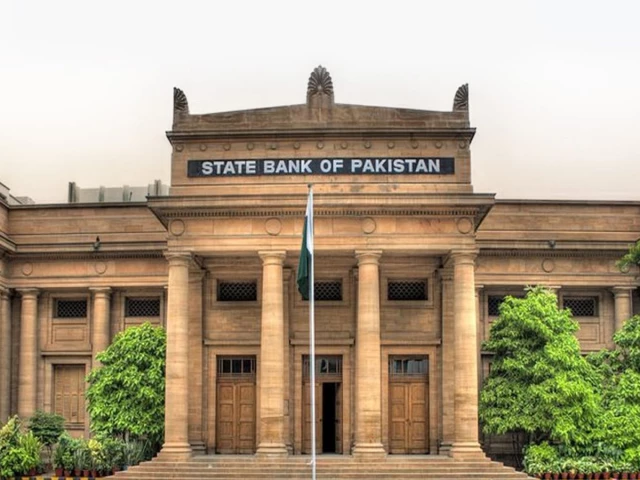
State Bank of Pakistan August 2026 Monetary Policy Report on Pakistan economy
ISLAMABAD, August 10, 2026: The State Bank of Pakistan (SBP) expects Pakistan’s economic growth to improve to between 3.5% and 4.5% in the coming fiscal year, while inflation gradually eases.
The central bank released its bi-annual Monetary Policy Report on Monday. The SBP Report reviews economic developments and the outlook behind decisions taken by the Monetary Policy Committee (MPC) since January 2026.
Global Shocks Test Pakistan’s Economy
The report said geopolitical developments strongly affected the economic outlook during the review period.
The Middle East conflict, which began in late February, drove global energy prices higher. It also increased freight and insurance costs and disrupted supply chains.
Despite these pressures, Pakistan’s economic performance in FY26 remained broadly within the projections announced after the January MPC meeting.
Bank Alfalah and WWF-Pakistan Launch Mangrove Drive for Independence Day
The SBP said its cautious monetary policy helped limit the wider effects of the energy price shock. The policy also helped keep inflation expectations anchored.
The government supported these efforts by maintaining fiscal discipline. It passed higher global prices into domestic prices and introduced targeted subsidies.
It also adopted austerity measures to conserve energy. These steps helped moderate overall demand and limit demand-side pressures.
Growth Could Reach 4.5%
The SBP expects economic growth to strengthen and remain between 3.5% and 4.5%.
The central bank also expects inflation to decline and stabilise near the upper end of its target range by the end of FY27.
The current account deficit could remain between zero and 1% of GDP. The expected external position should allow the SBP to continue purchasing foreign exchange.
The central bank aims to build foreign exchange reserves to $20.20 billion by December 2026. It expects reserves to increase further by the end of FY27.
Middle East Conflict and Floods Pose Risks
The report identified several risks to Pakistan’s economic outlook.
Further escalation in the Middle East could push energy and commodity prices above current assumptions. Higher global prices could then create additional pressure on Pakistan’s economy.
The SBP also warned about climate-related risks. El Niño conditions and floods could negatively affect economic activity.
Delays in structural reforms could create another challenge. Slow reforms could weaken exports and reduce productivity gains.
Such delays could also make it harder for Pakistan to sustain higher growth without increasing inflation and external account pressures.
Report Examines Monetary Policy
The report contains six analytical boxes covering major issues related to inflation and monetary policy.
One section examines the monetary policy transmission mechanism. Another discusses how central banks respond to inflation caused by supply-side shocks.
The report also examines different inflation measures used internationally and by the SBP.
Another section looks at the growing size of open market operations and their implications for monetary policy.
The final section examines sentiment surveys. These surveys help policymakers understand stakeholder expectations about different areas of the economy.
The SBP said the report supports its commitment to greater transparency in monetary policy decision-making. It also aims to explain how the MPC responds to changing economic conditions.