
MySpace Comeback: Could the Social Network That Shaped the 2000s Return?
The platform that once defined online self-expression is being linked to a possible revival, but experts say nostalgia alone will not be enough to bring it back.
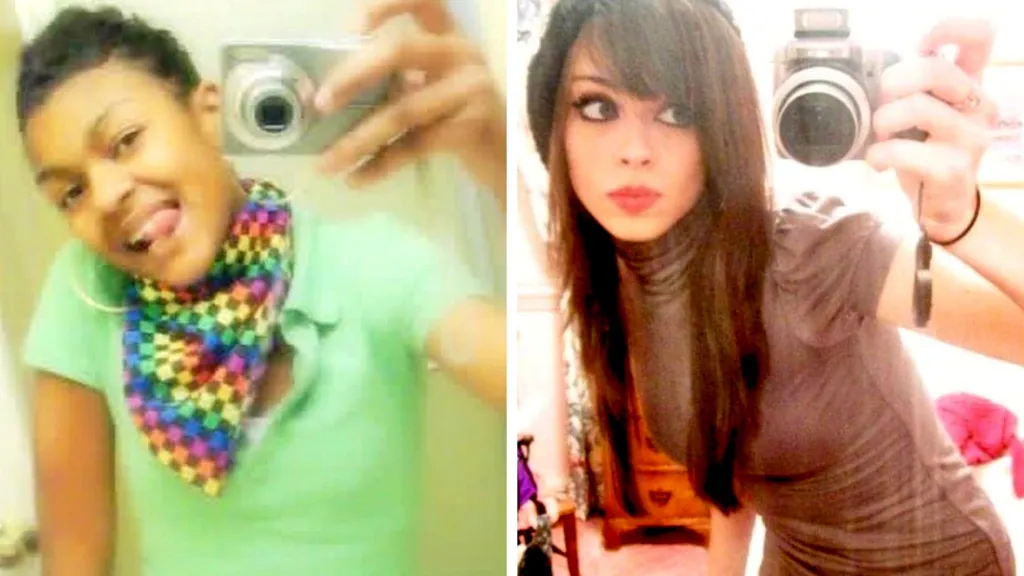
MySpace's possible revival is reigniting nostalgia for the early days of social media.
For 31-year-old Atlanta real-estate agent Monticah Hawkins, MySpace was more than an early social networking site. It was a place where people could present themselves without worrying about polished images, filters or algorithms deciding who would see their posts. More than two decades after its launch, the possibility of a MySpace comeback is reviving memories of a very different internet.
Hawkins remembers the platform as a space where users could upload imperfect photographs, customise their profiles and express themselves without the pressure that now dominates many social media platforms.
“You could be authentic on MySpace,” she recalls, describing an era when users were free to create messy, colourful and highly personal online identities.
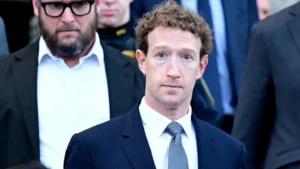
The renewed interest comes after brothers Tim and Chris Vanderhook, owners of MySpace through Viant, said they intend to relaunch the platform. No official launch date or detailed information about the proposed product has yet been announced. Viant has also said it currently has no further updates to provide.
Still, the possibility has generated considerable nostalgia among former users who remember MySpace as one of the defining digital spaces of the early 2000s.
For creators such as Melissa Kristin, who has more than 900,000 followers on TikTok, the platform represented something that many modern social networks have lost: a sense of ownership over one’s digital identity.
Kristin says MySpace felt like having a personal corner of the internet rather than simply participating in a constantly changing feed. She believes a revived version could attract users if it prioritised genuine interaction instead of engagement-driven competition.
That distinction could prove crucial if the MySpace comeback becomes reality.
MySpace launched in 2003 and quickly developed into a major cultural force. Musicians used the platform to reach audiences directly, while users transformed profile pages into highly personalised digital spaces. Artists including Arctic Monkeys, Adele and Nicki Minaj benefited from the opportunities offered by the platform during its rise.
Its success, however, eventually became one of its weaknesses.
Highly customised profiles, auto-playing music and increasingly complicated layouts made the service difficult to navigate as competitors emerged. Facebook offered a cleaner and simpler experience, helping pull users away from MySpace.
The platform subsequently went through redesigns, ownership changes and attempts to redefine its identity before disappearing from the centre of mainstream social media.
Marketing experts say any revival would therefore have to learn from the mistakes that contributed to its decline.
Dr Alexa Fox, a marketing professor at the University of Akron, describes MySpace as a social media first mover whose complexity ultimately worked against it. She argues that its original focus on music, creativity and personal expression could still have value, but a modern version would need to be considerably easier to use.
Social media strategist Alex Mills, who has worked on campaigns for brands including Spotify and Adobe, believes the challenge could be even greater. The absence of algorithm-driven feeds is part of what people remember fondly, but he notes that the same approach also contributed to MySpace’s decline.
Users today still want personalised feeds, Mills argues, but many are increasingly frustrated with systems designed to maximise outrage and engagement.
Kevin McClary, head of performance marketing at Gorilla 76, believes MySpace should avoid trying to become another Facebook, TikTok or X. Instead, he suggests that the platform could survive as a specialised community built around 2000s culture.
Music could be central to that strategy. Features such as profile songs, music-focused communities, themed events and merchandise could help establish an identity that competitors cannot easily replicate.
There may also be an unexpected younger audience.
Interest in early-2000s culture has grown among people who never experienced it firsthand. Point-and-shoot digital cameras, MP3 players, film photography and other retro technologies have found new audiences, particularly among younger consumers.
That trend could give MySpace an opportunity to sell not simply a social network, but an experience associated with a specific era.
Fox believes differentiation will be essential. Adding features already dominated by other platforms, such as short-form video, would not necessarily give MySpace a meaningful advantage.
Instead, the company could focus on personal control and a calmer online environment.
Modern social feeds increasingly rely on algorithms and artificial intelligence to determine what users see. A platform that allows people to decide how their online spaces look and function could appeal to those who feel overwhelmed by today’s social media environment.
For former MySpace users such as Hawkins and Kristin, the potential return is about more than technology. It is about recreating the feeling of having a personal place online.
Whether that feeling can be recreated remains uncertain.
For now, the platform’s revival is still largely a promise rather than a finished product. But the reaction to the idea suggests that MySpace still occupies a unique place in internet culture — one associated with a period when social media was less polished, less automated and perhaps more personal.
The biggest question may be whether today’s users want to revisit that world, or whether they simply miss the memory of it.