
Hormuz Crisis: Iran Sets Conditions for Reopening Strait as US War Talks Near Breakthrough
Tehran says the waterway will reopen only after Washington meets its demands, while Oman describes negotiations as constructive and US officials weigh an exit from the conflict.
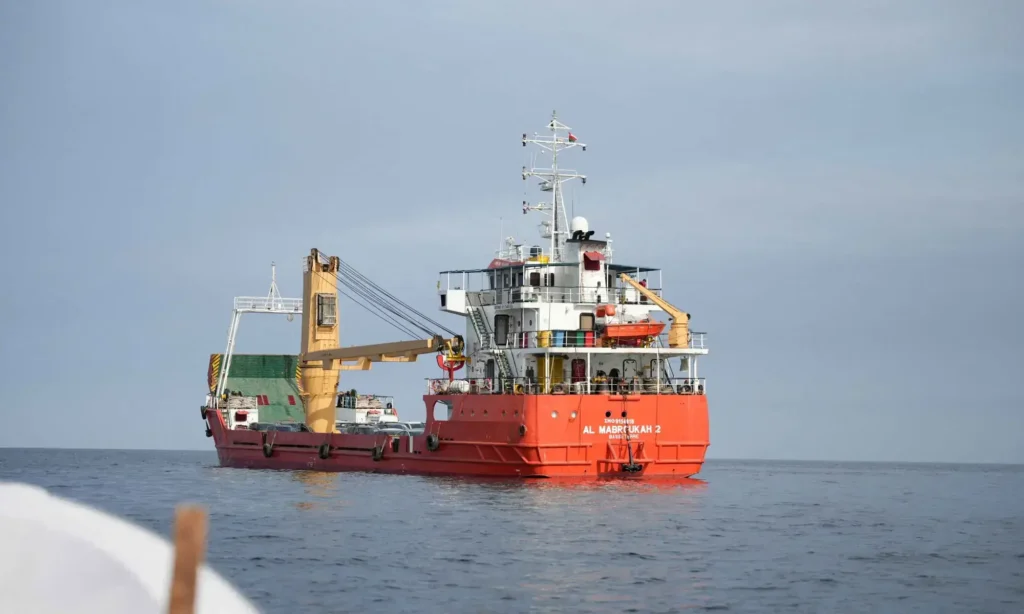
Iran links the reopening of the Strait of Hormuz to wider US commitments as diplomatic efforts intensify.
Iran has linked the reopening of the Hormuz waterway to the United States meeting a series of demands, rather than simply reaching a new shipping arrangement with Oman, as diplomatic efforts to end the war enter a critical stage.
Iranian President Masoud Pezeshkian said Saturday that he believed the current moment offered the “best time” to reach an agreement, while insisting that Iran remained strong and victorious in the conflict.
Foreign Minister Abbas Araghchi said Tehran and Muscat were “very close” to reaching an understanding over a new shipping route through the Strait of Hormuz. However, he stressed that any agreement between Iran and Oman would not by itself guarantee the reopening of the strategic waterway.
Iran is also demanding compensation from the United States, an end to threats and military action against Tehran, the lifting of sanctions and the release of Iranian assets.
The issue has taken on wider significance because the Strait of Hormuz is one of the world’s most important energy corridors. Any prolonged disruption to shipping through the waterway could have consequences for global oil and gas supplies.
Oman said its discussions with Iran had been “positive and constructive”, while also warning against further attacks on commercial shipping.
The diplomatic activity comes after the United Arab Emirates accused Iran of targeting another tanker in the strait. An unidentified projectile reportedly struck a vessel belonging to the UAE’s state-owned oil company, adding to concerns over the safety of maritime traffic.
An agreement between Iran and Oman is regarded as an important component of broader efforts to end the conflict, which began with US and Israeli attacks on Iran on February 28 and subsequently led to a major disruption of shipping through the strategic waterway.
A US official said Washington expected Iran and Oman to reach an agreement soon that could allow normal oil traffic through the strait to resume.
But Tehran has made clear that a shipping arrangement alone will not satisfy its conditions.
Mohammad Bagher Zolghadr, secretary of Iran’s top national security body, listed several additional demands, including an end to US threats and what Tehran describes as aggression against Iran and its regional allies.
Iran is also seeking the removal of sanctions and what it calls a blockade, as well as the release of Iranian financial assets.
Tehran has effectively restricted passage through the strait and has indicated that users could be required to pay for transit. Iranian forces have repeatedly attacked vessels they accuse of attempting to bypass routes preferred by Tehran.
Washington has strongly opposed any Iranian attempt to impose tolls on shipping through the waterway.
A previous agreement between the warring sides, however, allowed Iran to discuss arrangements for the future administration of the strait with Oman, another country bordering the strategically important passage.
Araghchi said the previous traffic separation system used by commercial vessels was no longer acceptable to Iran. Tehran is now discussing a temporary route with Oman while technical and legal questions surrounding a permanent arrangement are addressed.
Iran’s Revolutionary Guards have separately insisted that the reopening of the strait is governed by a separate mechanism and should not be viewed simply as an outcome of Iran-Oman negotiations.
The Guards said the United States would have to accept Iran’s conditions before Tehran would reopen the waterway.
Pezeshkian meanwhile sought to project confidence, saying there was unity and strength inside Iran and describing the country as victorious and powerful despite the ongoing conflict.
US weighs diplomatic exit
In Washington, officials have been debating how to secure the reopening of the strait while avoiding an arrangement that could give Iran significant control over one of the world’s most important maritime routes.
Transporters’ Strike Halts Movement of 400,000 Vehicles, Threatening Pakistan’s Supply Chains
US Vice President J.D. Vance said a potential understanding with Tehran could restore commercial traffic through the waterway to pre-war levels.
Vance said Iran had assured Washington that it did not intend to impose shipping tolls. However, he stressed that the United States would ultimately assess Tehran’s actions rather than rely solely on its assurances.
Former US defence secretary Mark Esper offered a more cautious assessment, warning against an arrangement that could give Iran and Oman responsibility for administering traffic through the strait.
Esper said reports suggested the proposed system could divide shipping between northern and southern routes, potentially giving Tehran and Muscat a degree of control over maritime traffic.
He argued that such an arrangement could create a strategic disadvantage for the United States, regardless of whether shipping fees were imposed.
Meanwhile, US military officials are also reportedly examining ways to bring the conflict toward a negotiated conclusion.
CNN reported that Chairman of the Joint Chiefs of Staff Gen Dan Caine had privately discussed an “off-ramp” from the war with senior Trump administration officials, including Secretary of State Marco Rubio, Vice President Vance and CIA Director John Ratcliffe.
According to the report, Caine has warned that available military options may not be sufficient to achieve all of President Donald Trump’s stated objectives.
The competing diplomatic and military calculations leave the Strait of Hormuz at the centre of efforts to end the conflict. Iran wants broader US concessions before restoring normal passage, while Washington is seeking guarantees that energy shipments can resume without giving Tehran excessive control over the strategic waterway.
With negotiations involving Iran and Oman nearing a potentially decisive stage, the coming talks could determine not only when commercial shipping resumes but also how the Strait of Hormuz is administered in the future.