Arctic Ground Squirrel: Frozen Hibernation Could Transform Emergency Medicine
Scientists are studying the remarkable hibernation of the Arctic ground squirrel to develop new treatments for heart attacks, strokes, brain injuries, and future space travel.
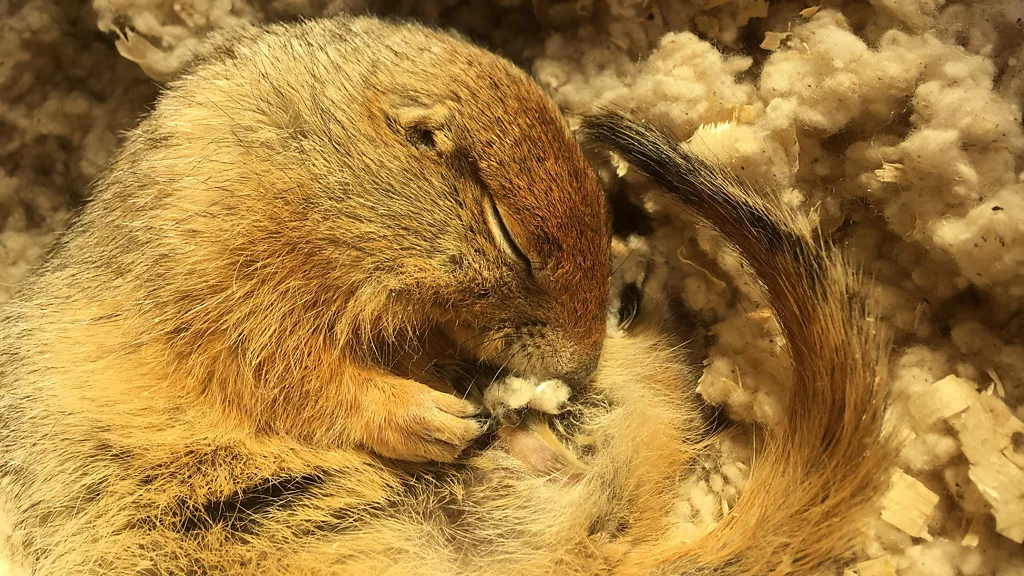
An Arctic ground squirrel emerges after its extraordinary winter hibernation.
Arctic Ground Squirrel research is providing scientists with valuable insights that could transform emergency medicine by helping doctors protect patients from heart attacks, strokes, traumatic brain injuries, and other life-threatening conditions.
The Arctic ground squirrel is the only known mammal capable of surviving body temperatures below freezing during hibernation. Each year, the animal spends nearly eight months underground, reducing its heartbeat, breathing, and metabolism while its body temperature drops to as low as -2.9°C (27°F).
Mojtaba Khamenei: Successor Absent from Ali Khamenei’s State Funeral
Researchers believe this natural ability could help doctors safely slow human metabolism during medical emergencies. Lowering the body’s metabolic rate may protect vital organs from oxygen deprivation, extend the window for life-saving treatment, and reduce tissue damage after blood flow returns following a heart attack or stroke.
Scientists at the University of Alaska Fairbanks have studied Arctic ground squirrels for more than five decades. Their work has identified adenosine, a naturally occurring molecule, as one of the key triggers that initiates hibernation by slowing metabolism and allowing body temperature to fall.
Experiments have shown that similar biological mechanisms can induce a hibernation-like state in laboratory rats, raising hopes that researchers may eventually develop therapies capable of temporarily slowing human metabolism without causing harm.
The research also suggests potential benefits beyond emergency medicine. Scientists are exploring whether hibernation-inspired treatments could preserve donor organs for transplantation, reduce muscle loss during prolonged bed rest, protect patients undergoing radiation therapy, and improve recovery from severe injuries.
Another promising discovery involves elevated iodide levels found in hibernating Arctic ground squirrels. Early clinical studies indicate that iodide-based treatments may help reduce heart damage in patients undergoing emergency procedures after major heart attacks, although larger clinical trials are still needed.
Researchers are also investigating how the squirrels preserve muscle mass during months of inactivity and naturally suppress appetite during hibernation. These findings could contribute to future therapies for muscle wasting disorders and obesity.
Looking ahead, scientists believe the research could eventually support long-duration space missions by enabling astronauts to enter a hibernation-like state, reducing food consumption, limiting muscle loss, lowering radiation risks, and easing the psychological challenges of extended travel.
While practical applications remain years away, researchers say the Arctic ground squirrel’s extraordinary biology offers one of the most promising natural models for developing new medical technologies that could improve survival and recovery in critical care.