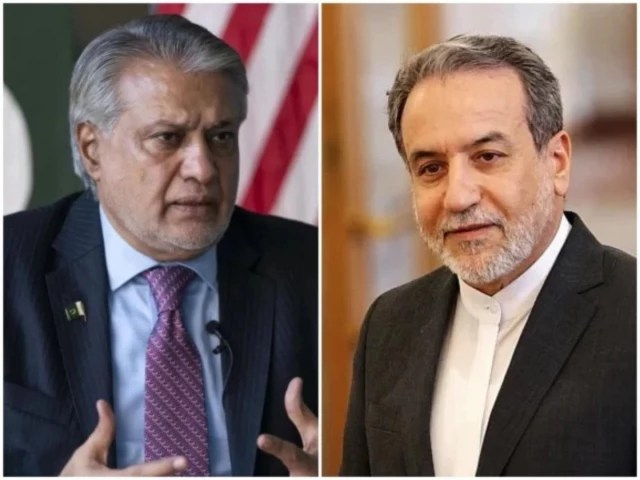
ISLAMABAD: Pakistan continues its active diplomatic engagement in efforts to stabilize the region, as Deputy Prime Minister and Foreign Minister Ishaq Dar held a telephone conversation with Iranian Foreign Minister Abbas Araghchi to discuss regional developments, the ongoing ceasefire, and broader diplomatic initiatives related to the US-Israel-Iran conflict.
22 Militants Killed in Intelligence-Based Operation in Khyber District, Child Martyred: ISPR
According to the Ministry of Foreign Affairs, Ishaq Dar emphasized the need for sustained dialogue and diplomatic engagement to resolve outstanding issues and promote regional peace and stability. The Iranian foreign minister reportedly appreciated Pakistan’s consistent facilitation role in encouraging constructive communication between the concerned parties.
The conversation comes amid heightened geopolitical tensions in the Gulf region, where fragile ceasefire arrangements remain under strain due to continued military posturing, maritime confrontations, and uncertainty over long-term peace negotiations.
Meanwhile, US President Donald Trump reiterated that the United States would not use nuclear weapons in the ongoing conflict with Iran, stating that such weapons should never be deployed under any circumstances. He emphasized that the US was pursuing what he described as a “conventional” military strategy and expressed confidence in its effectiveness.
Trump also indicated that Washington is seeking a comprehensive and lasting agreement with Iran, although he avoided setting a clear timeline for negotiations, saying he does not want to rush the process.
At the same time, maritime tensions in the region continue to escalate. Reports indicate increased activity in and around the Strait of Hormuz, where Iran has adopted asymmetric naval tactics, including the use of fast-attack boats to intercept or seize vessels amid growing confrontation with Western forces.
Maritime security analysts warn that these developments are contributing to heightened risk for global shipping routes, particularly in a corridor that handles a significant portion of the world’s oil and liquefied natural gas supply. Rising insurance costs and operational uncertainty are already affecting commercial shipping operations in the region.
Despite ongoing ceasefire arrangements and diplomatic efforts, analysts say the situation remains highly volatile, with military, economic, and diplomatic dimensions deeply intertwined. Pakistan’s continued diplomatic outreach is being viewed as part of broader regional efforts to prevent further escalation and encourage a negotiated resolution.