US-Iran Talks in Islamabad Nearly Reached Deal Before Last-Minute Breakdown, Diplomatic Sources Reveal
Web Desk April 13, 2026Islamabad — Exhausted journalists and officials gathered at a media centre near the Serena Hotel were kept on edge as senior Iranian and US officials engaged in marathon negotiations in Islamabad.
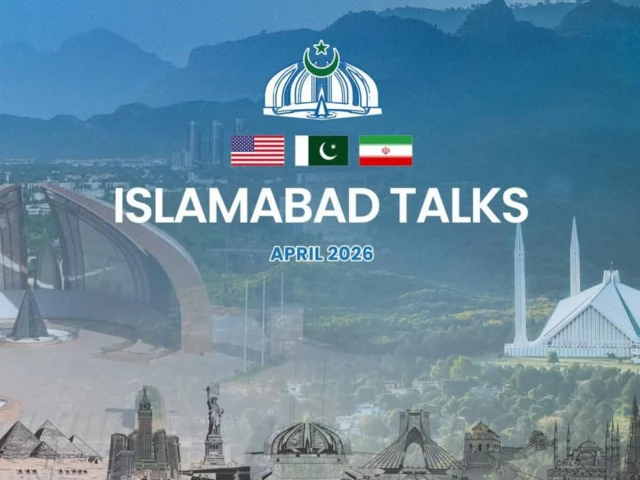
Islamabad — Exhausted journalists and officials gathered at a media centre near the Serena Hotel were kept on edge as senior Iranian and US officials engaged in marathon negotiations in Islamabad.
PropTech Club Hosts 3rd Meet & Greet in Karachi to Strengthen Real Estate-Tech Ecosystem
The Jinnah Convention Centre, located just across from the five-star hotel, hosted the indirect diplomatic engagement, but access to the closed-door discussions remained strictly restricted.
Around 3am, officials at the media centre received an alert suggesting a breakthrough. Messages from inside the Serena Hotel indicated that a joint statement could soon be issued. However, as dawn approached, hopes of an agreement gradually faded.
Later, US Vice President JD Vance briefed accompanying journalists, stating that talks between the United States and Iran had failed, describing the outcome as “bad news.”
However, diplomatic sources now indicate that both sides were extremely close to finalising a framework agreement, with a draft reportedly ready for signing before last-minute disagreements derailed the process.
Iranian Foreign Minister Abbas Araghchi confirmed that negotiations had reached what he described as the “Islamabad MoU,” but said the US side altered its position at a critical stage and adopted a more demanding stance.
According to sources, Washington insisted that Iran abandon uranium enrichment entirely and surrender existing nuclear stockpiles, while also raising concerns over Iran’s compliance with ceasefire understandings related to the Strait of Hormuz.
Iran, meanwhile, sought formal guarantees that the United States would not reverse its commitments after Tehran made concessions, including reopening the strategic waterway.
A further complication emerged from limited direct communication between Iranian negotiators and leadership in Tehran due to security constraints. In contrast, the US delegation reportedly maintained frequent contact with President Donald Trump throughout the talks, with Vice President Vance confirming multiple consultations.
Diplomatic observers say this high level of coordination underscored how close the negotiations were to success.
Despite the breakdown, the talks are being described as one of the most intensive US-Iran engagements since the 1979 Islamic Revolution. Iranian officials and other diplomats credited Pakistan with facilitating and hosting the high-stakes diplomatic process.
Pakistan’s Deputy Prime Minister and Foreign Minister Ishaq Dar reportedly engaged regional stakeholders, including Saudi Arabia, Egypt, and Turkey, in efforts to sustain momentum for a potential agreement.
Sources indicate that officials from Egypt, Turkey, and Saudi Arabia are expected to visit Islamabad in the coming days as part of continued diplomatic consultations aimed at preventing further escalation.
China has also supported the initiative, expressing hope that the opportunity for dialogue will not be lost.
While the talks did not produce a final agreement, diplomatic sources suggest the framework established in Islamabad may serve as a foundation for future negotiations. The ceasefire between the parties continues to hold, and observers believe renewed diplomatic efforts could still yield progress before tensions escalate further.