Oil Prices Rise as Fragile Ceasefire Clouds Strait of Hormuz Supply Outlook
Oil Prices Rise as Fragile Ceasefire Clouds Strait of Hormuz Supply Outlook
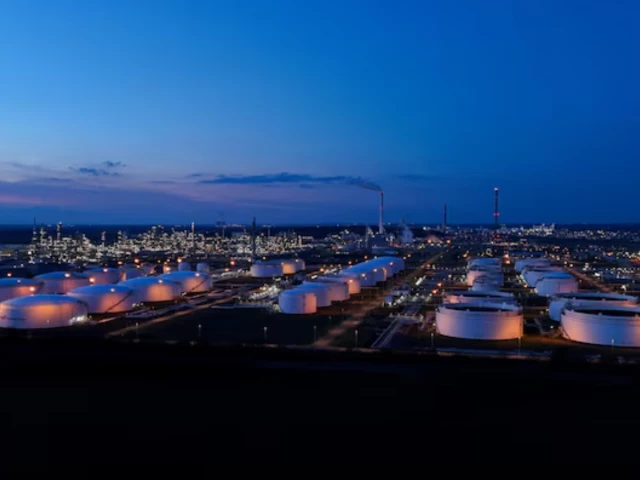
Global oil prices edged higher on Thursday as uncertainty surrounding a fragile Middle East ceasefire fueled concerns over restricted energy flows through the critical Strait of Hormuz.
Trump Warns of Escalation as Fragile Truce Tested by Israel Strikes and Oil Surge
Brent crude futures climbed $1.96, or 2.07%, to $96.71 per barrel, while US West Texas Intermediate (WTI) crude rose $2.60, or 2.75%, to $97.01. The gains followed a sharp decline in the previous session, when prices briefly dropped below $100 on optimism that the ceasefire could lead to the reopening of the vital shipping route.
However, analysts say markets remain cautious, with geopolitical risks still heavily priced in and little clarity on the outcome of ongoing negotiations between Washington and Tehran.
Vandana Hari, founder of Vanda Insights, noted that the chances of a meaningful reopening of the Strait in the near term remain low, warning of continued volatility. “The futures market looks a bit broken,” she said, suggesting prices would otherwise have rebounded more sharply.
The Strait of Hormuz is a crucial artery for global energy, carrying nearly 20% of the world’s oil and gas supply from major Gulf producers including Saudi Arabia, Iraq, Kuwait, and Qatar.
Despite the ceasefire, tensions remain elevated. Continued Israeli strikes in Lebanon have raised doubts over the sustainability of the truce, while Iran has signaled that ongoing hostilities could jeopardize negotiations for a permanent peace deal.
Shipping companies have also expressed hesitation in resuming operations, citing security concerns, unclear ceasefire terms, and high insurance costs. Iranian authorities have reportedly issued navigation maps to help vessels avoid mines and designated safe corridors under military supervision.
Analysts at Standard Chartered warned that logistical disruptions, security threats, and operational constraints could significantly limit additional energy flows through the Strait in the coming weeks.
Regional infrastructure remains vulnerable, with reports of strikes targeting oil facilities, including a Saudi pipeline designed to bypass the Strait. Other Gulf states such as Kuwait, Bahrain, and the UAE have also reported missile and drone attacks.
Meanwhile, Goldman Sachs maintained its longer-term oil price forecasts but trimmed near-term projections, citing a partial reduction in the geopolitical risk premium and signs of limited recovery in oil flows.
As uncertainty persists, energy markets are expected to remain volatile, closely tracking geopolitical developments in the region.