Karachi Ports See Surge as Pakistan Becomes Regional Shipping Hub Amid Gulf Conflict
Web Desk April 1, 2026Karachi: Pakistan’s major ports, particularly Karachi and Bin Qasim, are emerging as a key transit hub as regional cargo reroutes away from traditional Gulf ports due to disruptions linked to the ongoing US-Israel conflict with Iran.
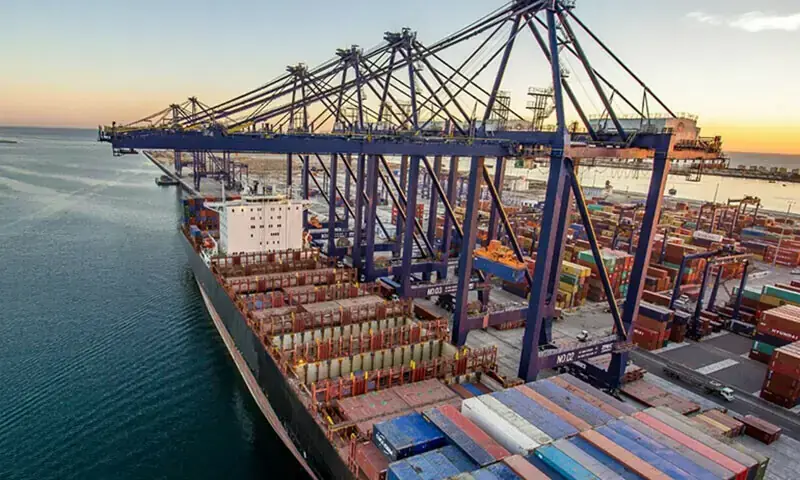
Karachi: Pakistan’s major ports, particularly Karachi and Bin Qasim, are emerging as a key transit hub as regional cargo reroutes away from traditional Gulf ports due to disruptions linked to the ongoing US-Israel conflict with Iran.
Arts Council Karachi Honors US-Based Poet Dr Noor Amrohvi in Special Ceremony
Since early March, Karachi Port alone has handled 8,313 containers in 24 days — slightly surpassing the total volume for all of 2025 — while Bin Qasim Port has also recorded unprecedented flows. The surge comes amid restrictions in the Strait of Hormuz and attacks on vessels and ports in Oman and the UAE, causing disruptions at ports such as Salalah and Jebel Ali.
Mohammad Rajpar, chairman of the Pakistan Ship’s Agents Association, described Karachi’s ports as a “safe haven” and “temporary storage hub” for regional trade, noting that 75% of diverted cargo is handled at Karachi Port and 25% at Bin Qasim. He added that rising insurance premiums in the Persian Gulf — four times higher than in Pakistan — are driving the shift.
For the first time in its 172-year history, Karachi Port remained operational during Eidul Fitr to accommodate the surge. Analysts suggest the opportunity could persist well beyond the current conflict, with shipping patterns taking months to normalize even if hostilities end.
Shipping expert Aasim Siddiqui said, “We have a golden opportunity to convert this temporary boom into sustainable business,” but stressed that efficiency and cost competitiveness are crucial. Recent customs reforms by the government of Prime Minister Shehbaz Sharif aim to expedite transshipments, enhancing Pakistan’s potential as a permanent regional hub.
With current ports handling 3.8 million containers annually against a capacity of 6 million, officials see significant potential to capture a lasting share of the regional transshipment market.