UNLOCKING $1.2 BILLION DISBURSEMENT: IMF DELEGATION VISIT CRITICAL FOR SUSTAINING ECONOMIC STABILITY: MIAN ZAHID HUSSAIN
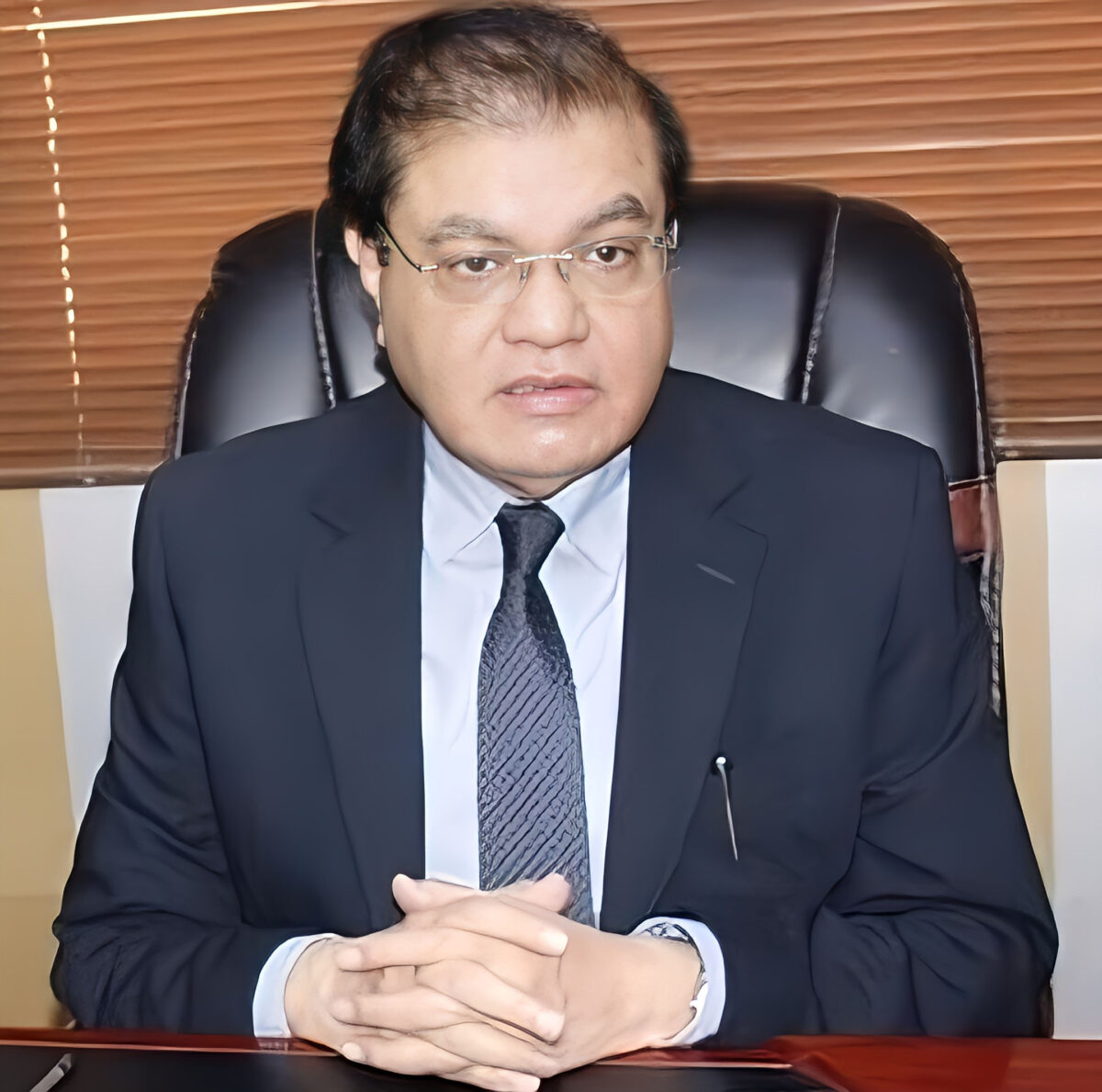
Featured Image Caption (English): Mian Zahid Hussain calls for reforms to safeguard Pakistan's GSP+ trade benefits with the European Union.
KARACHI – February 23, 2026: Mian Zahid Hussain, President Pakistan Businessmen and Intellectuals Forum & All Karachi Industrial Alliance, Chairman National Business Group Pakistan, Chairman Policy Advisory Board FPCCI, and Former Provincial Minister Information Technology, Today highlighted the importance of the IMF mission arriving in Pakistan on February 25, 2026. Led by Iva Petrova, this visit is crucial for the national economy as it conducts the third review under the $7 billion EFF and the second review under the $1.1 billion RSF.
Mian Zahid Hussain stated that the successful completion of these reviews is expected to unlock a crucial disbursement of $1.2 billion by late April 2026. This includes $1 billion under the EFF and $200 million via the RSF, providing a significant boost to Pakistan’s foreign exchange reserves, which the State Bank of Pakistan (SBP) aims to increase to $18 billion by June 2026.
Mian Zahid Hussain stated that the IMF mission will evaluate Pakistan’s macroeconomic performance for the first half of the fiscal year (July-December 2025) in several critical areas under scrutiny. Pakistan achieved a primary fiscal surplus of 1.3% of GDP in the previous fiscal year, a trend that must be maintained. Despite a revenue shortfall at the end of December 2025, the Federal Board of Revenue (FBR) showed resilience with a 16% month-on-month growth in January 2026, collecting Rs. 1,015 billion, he said.
Mian Zahid Hussain further stated that IMF delegation will scrutinize the “circular debt” management and the recent power tariff adjustments. While the government has introduced electricity relief packages for domestic consumers (up to 300 units), the IMF will focus on the sustainability of these subsidies and the progress of the Green Pakistan Energy Policy 2026. Discussions will center on the privatization of state-owned enterprises (SOEs), particularly the progress of Pakistan International Airlines (PIA), and the transfer of the Tax Policy Office to the Ministry of Finance.
Mian Zahid Hussain noted that headline inflation has significantly moderated to a projected range of 5% to 7% for FY26, down from the hyperinflationary peaks of previous years. This stability allowed the SBP to maintain a policy rate of 10.5%, supporting a gradual recovery in the industrial sector. Furthermore, Pakistan recorded its first current account surplus in 14 years during FY25, providing a stable foundation for the upcoming talks.
The PBIF President emphasized that this visit is not merely about the next tranche but will also set the broad contours for the Federal Budget 2026-27. “The business community expects the government to negotiate flexibility in tax targets for the formal manufacturing sector, potentially reducing corporate tax from 29% to 25% to foster competitiveness,” he added.
Mian Zahid Hussain urged the government to accelerate reforms in revenue mobilization and governance to ensure long-term climate and economic resilience. He reiterated that the business community remains a primary stakeholder in ensuring that these reforms lead to sustainable, private-sector-led growth.