

The United States military has announced it will begin enforcing a naval blockade on Iranian ports starting Monday, following the failure of high-level negotiations between Washington and Tehran held in Pakistan. The talks ended without agreement, with President Donald Trump blaming Iran’s refusal to abandon its nuclear ambitions.
Pakistan’s Diplomatic Role Questioned Amid Mixed Signals on US-Iran Crisis
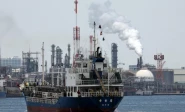
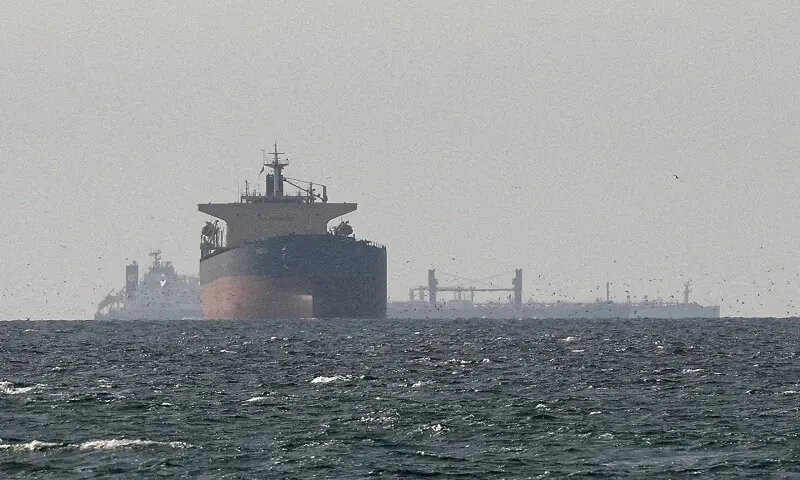
According to US Central Command, the blockade will target vessels entering or leaving Iranian ports across the Arabian Gulf and Gulf of Oman. The operation is set to begin at 1400 GMT and will be applied to ships of all nations. However, US officials clarified that vessels transiting the Strait of Hormuz to non-Iranian ports will not be obstructed.
President Trump confirmed the move on social media, framing the blockade as part of efforts to secure the Strait of Hormuz and ensure freedom of navigation. His earlier statements had suggested a broader shutdown of all maritime traffic in the strait, but the military announcement reflected a more limited scope.
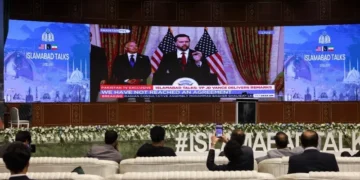
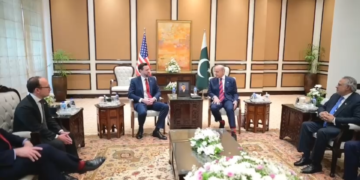
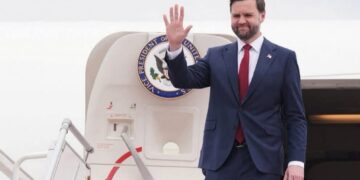
The escalation comes after US Vice President JD Vance departed Islamabad following unsuccessful negotiations with an Iranian delegation. The breakdown in talks has dealt a significant blow to international hopes of ending the conflict, which began in late February and has already claimed thousands of lives while disrupting the global economy.
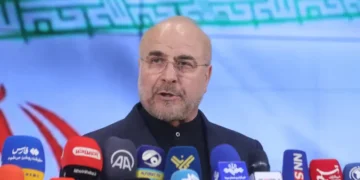
Iran strongly condemned the US decision. Parliamentary Speaker Mohammad Bagher Ghalibaf said Tehran would not yield to pressure, while Iranian naval officials dismissed the blockade as ineffective. The Revolutionary Guards warned they retain full control over the Strait of Hormuz and could respond forcefully to any provocation.
Iranian Foreign Minister Abbas Araghchi accused the United States of undermining the negotiations through “maximalist demands” and shifting conditions, claiming that both sides had been close to reaching an agreement.
The rising tensions have already impacted global markets, with oil prices surging nearly eight percent, pushing both Brent and WTI crude above $100 per barrel.
Pakistan, which hosted the talks, reiterated its commitment to facilitating dialogue and urged both sides to respect a fragile two-week ceasefire agreed upon earlier. Analysts warn that the US blockade could jeopardize the truce and potentially mark a renewed phase of the conflict.
Meanwhile, regional tensions remain high, particularly in Lebanon, where clashes between Israeli forces and Hezbollah continue despite diplomatic efforts to de-escalate the situation.