Trump Questions Livestream Plan for Fort Hood Shooter’s Execution
Planned firing squad execution of Nidal Hasan draws bipartisan criticism and human rights concerns ahead of its scheduled December date
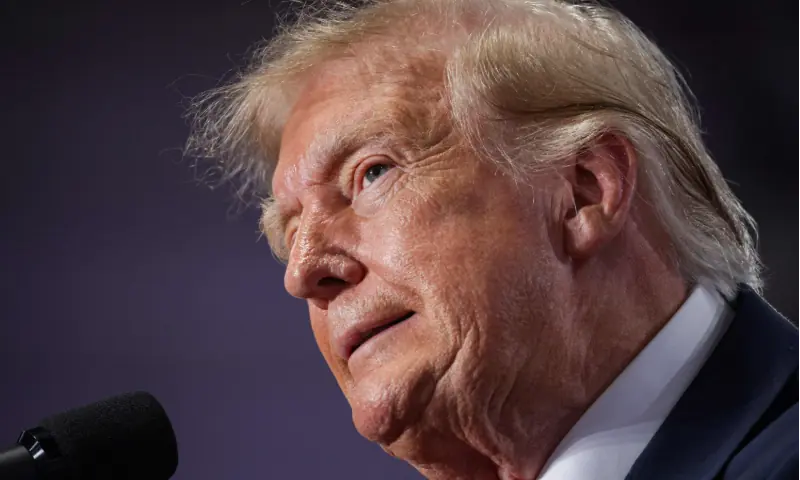
US President Donald Trump questions plans to livestream the scheduled execution of Fort Hood shooter Nidal Hasan
WASHINGTON: US President Donald Trump has cast doubt on whether authorities will livestream the scheduled execution of Nidal Hasan, who killed 13 people in a 2009 shooting at Fort Hood, Texas.
The execution is scheduled for December 3 and would mark the first US military firing squad execution since 1945, according to reports. The proposal to broadcast it live has drawn criticism from politicians and human rights advocates across the political spectrum.
Trump backed carrying out the death sentence but said officials were still deciding whether to broadcast it publicly.
“They are making a determination about that, but he will be killed,” Trump said. “I really don’t care how he goes, as long as he goes.”
US Officials Give Conflicting Signals
The Pentagon previously indicated that the execution would be livestreamed. Defence Secretary Pete Hegseth said officials would ensure people could watch it, describing the execution as a public event.
However, Vice President JD Vance later questioned whether the livestream would proceed. He said he would not watch it if authorities broadcast the execution.
Vance described Hasan’s attack as one of the deadliest acts of terrorism on US soil outside the September 11 attacks.
Bipartisan Criticism of Public Execution
The proposal has prompted objections from lawmakers and religious leaders.
Democratic Senator Mark Kelly, a member of the Senate Armed Services Committee, said Hasan should face justice. However, he questioned whether a public execution reflected American values.
The United Nations human rights chief also condemned the proposed broadcast. The office warned that livestreaming an execution would amount to a public execution and could breach the absolute prohibition of torture.
Archbishop Paul Coakley, president of the US Conference of Catholic Bishops, called the proposal a “barbaric promotion of a culture of death” and urged authorities to reconsider it.
Amnesty International also criticised the plan. The organisation said broadcasting the execution would add to the cruelty associated with the death penalty.
Aurangzeb Pushes Simplified Tax Procedures to Bring More Retailers Into Tax Net
Social Media Platforms Face Questions
The proposal has raised questions about whether major technology companies would allow the execution to appear on their platforms.
YouTube, Meta and X had not immediately responded to requests for comment, according to the report. TikTok referred to its policy prohibiting graphic violence, including footage showing an individual being shot.
The uncertainty over the broadcast comes as officials and lawmakers debate the limits of public access to military executions.
Hasan Sentenced to Death in 2013
Hasan, a former US Army psychiatrist, opened fire at Fort Hood in November 2009, killing 13 people and wounding more than 30 others. Twelve of those killed were soldiers.
A civilian police officer shot Hasan during the response to the attack. Hasan was left paralysed from the waist down.
During his 2013 military trial, Hasan represented himself but called no witnesses and gave no testimony. He did not attempt to deny the charges, and a military jury sentenced him to death.
Court-appointed defence attorneys had expressed concern that Hasan was seeking execution.
The case remains a major episode in the history of violence within the US military. The proposed firing squad execution and possible livestream have now opened a separate debate over punishment, human rights and the public display of executions.