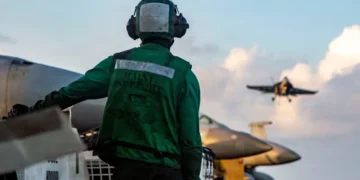


Donald Trump and senior US officials have described the rescue of an American airman in Iran as an “Easter miracle,” drawing criticism for blending religious messaging with military policy during an ongoing conflict.
Karachi SSC Exams Postponed to April 10
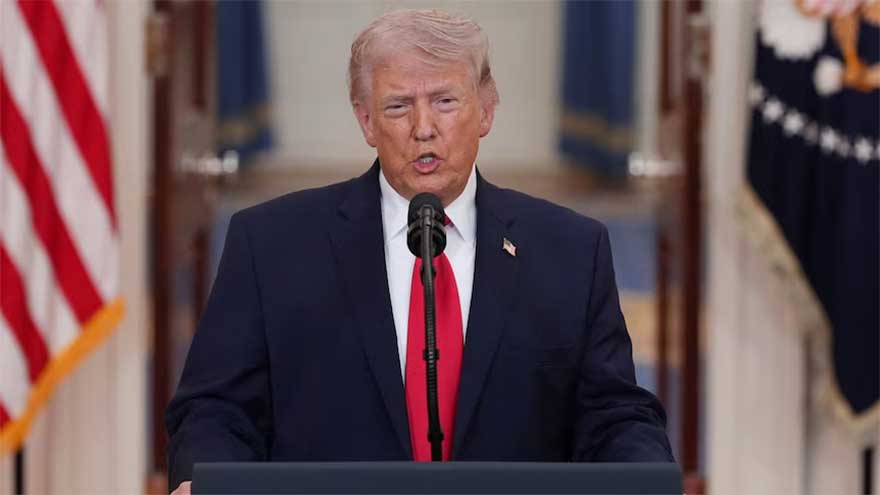
Speaking to NBC’s Meet the Press, President Trump framed the rescue mission in religious terms, calling it divinely inspired. Several cabinet members echoed similar sentiments, with Scott Bessent referencing the symbolism of Easter as “the greatest victory in history,” while Pete Hegseth posted “God is good” following the successful operation.
In a separate social media message, Trump combined religious language with sharp military threats, warning Iran to reopen the Strait of Hormuz or face severe consequences. He ended the message with the phrase “Praise be to Allah,” prompting further controversy.
Critics argue that such rhetoric blurs the line between faith and statecraft. Republican lawmaker Marjorie Taylor Greene accused the administration of contradicting Christian values, urging a focus on peace rather than escalation.
The Council on American-Islamic Relations also condemned the remarks, calling them “reckless and dangerous,” particularly the use of Islamic expressions in the context of military threats.
Concerns have also been raised within political circles. A group of Democratic lawmakers recently urged an investigation into reports that some officials may have invoked religious prophecies to justify the war effort, warning that military decisions must remain grounded in law and evidence rather than ideology.
Analysts note that both the US and Iran have historically used religious narratives in times of conflict. Iran’s leadership, rooted in Shia Islamic ideology, frequently frames its resistance in religious terms, while US political rhetoric has occasionally drawn on faith-based language during major crises.
The debate highlights growing unease over the intersection of religion and policy as the conflict continues to escalate.