

The 28th day of the 39-day World Culture Festival 2025 featured film screenings, a film talk session, the inauguration of the Peace & Pieces – Volume 5 art exhibition, and the staging of two theatre plays.
Theatre Play “Don’t shoot” and “The Invoice” Stun Audiences at World Culture Festival 2025.
Karachi: On the 28th day of the World Culture Festival 2025, the Arts Council of Pakistan Karachi hosted a film screening, a film discussion session, the inauguration of the Peace & Pieces art exhibition, and two theatre plays, “Don’t Shoot” and “The Invoice.”
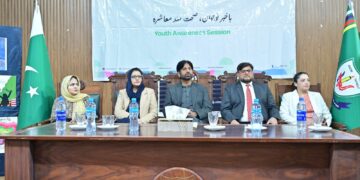
The day began with a film talk session featuring Nepali publisher, editor, author, filmmaker, and Chairman of Film South Asia Kanak Mani Dixit, moderated by Dr Umair Ahmed. Speaking at the Session, Dixit said Film South Asia organizes film festivals across the world and stressed the need for a clear vision. “Pakistan is a beautiful country. We should produce documentary films on Islamabad and Dhaka, though perhaps we lack the budget,” he noted. He added that cinema houses play a crucial role in the success of any film and expressed interest in collaborating with the Arts Council Karachi at the Nepal Film Festival. 
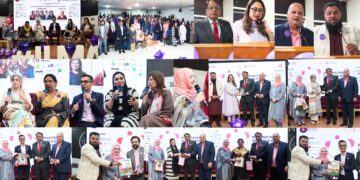
“The Arts Council is the cultural hub; the World Culture Festival is a welcome initiative.” The film screening featured the Bangladeshi film “Noya Manush” directed by Sohel Rana Boyati, portraying the life of a man torn between religious identity and personal happiness. The international art exhibition “Peace & Piece – Volume 5” was inaugurated at the Ahmed Pervez Art Gallery by Minister Saeed Ghani, along with Arts Council President Muhammad Ahmed Shah. Icelandic artist Halldor Ragnarsson and Madagascan artist Mendricka Ratsima were also present. Artworks by international artists, as well as Pakistani artists Adeela Suleman, Moeen Faruqi, Qamar Siddiqui, Abdul Jabbar Gull, Ghulam Mustafa, Salman Farooqi, Tanveer Farooqi, Chitra Pritam, Imran Soomro, Abdul Malik Channa, Sajid Ali Talpur, Abid Aslam, Aqeel Solangi, Muhammad Ali Khan, Sajid Ali, Uzma Noor, Anum Ashraf, Ramsha Rabbani and Muhammad Owais, were showcased. Speaking at the inauguration, Minister Saeed Ghani said that “Ahmed Shah is not an ordinary man—that is why such a grand festival has been organized. Bringing one thousand artists from 142 countries is no easy task. I once saw the Arts Council in ruins; today the whole world is talking about it. There is no cultural venue like the Arts Council Karachi in all of South Asia. This is the people’s money being spent on the people.”
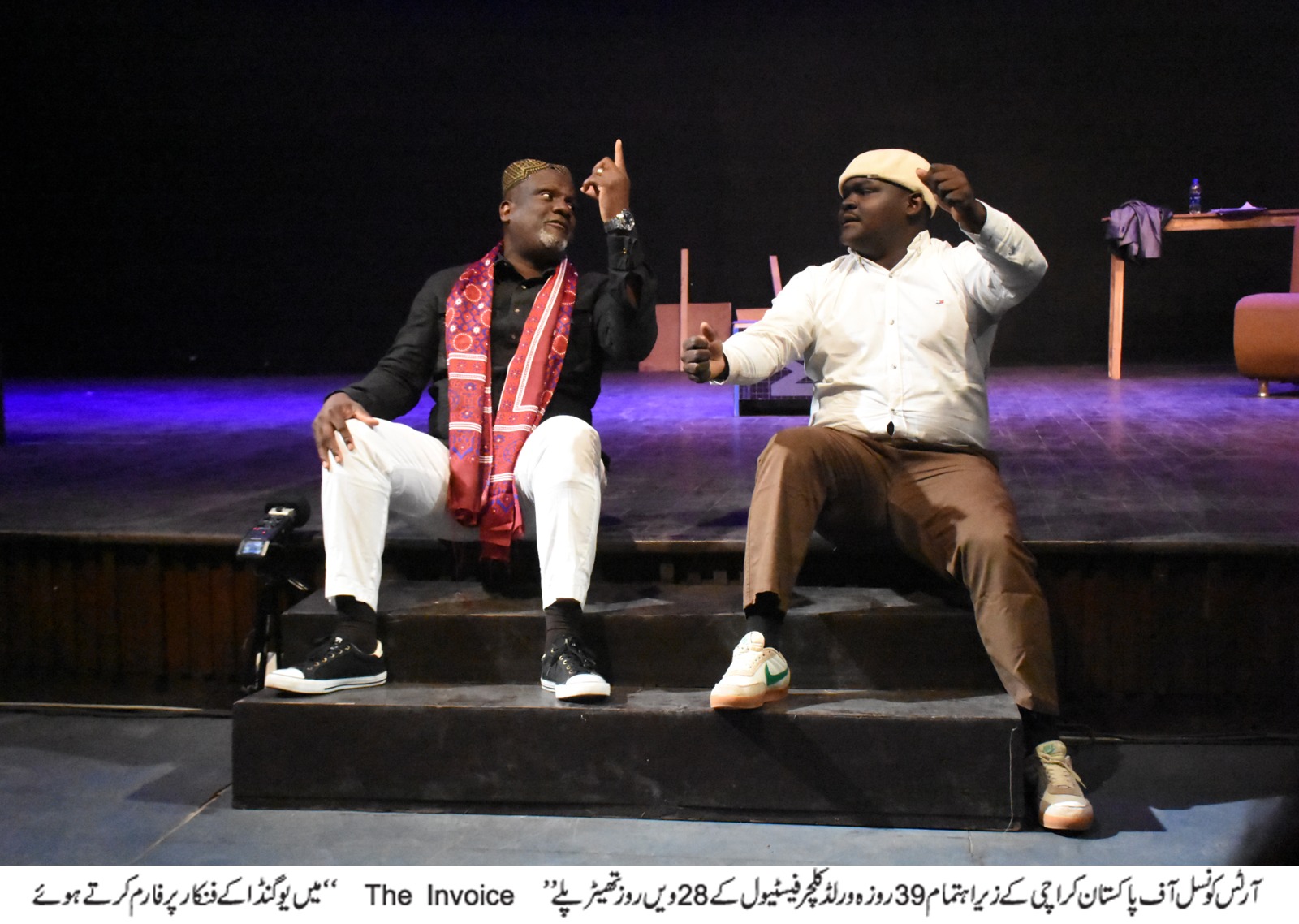
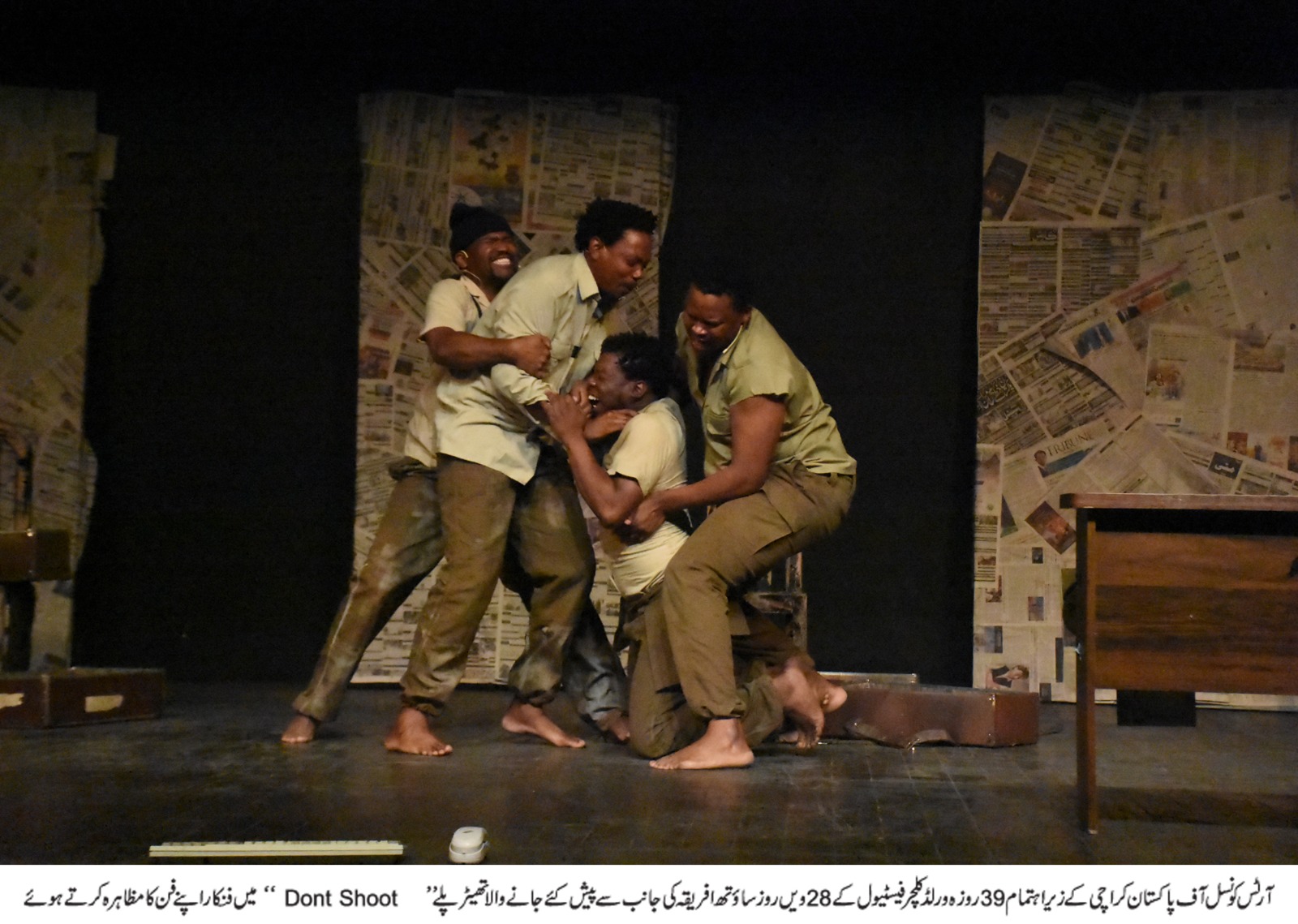
He added that the Arts Council deserves a place in the Guinness Book of World Records and that Ahmed Shah should be nominated. President Arts Council Muhammad Ahmed Shah said that artists from all fields—painters, musicians, actors, and singers—are participating in the World Culture Festival. “There is no other festival in the world that brings together experts from five disciplines. This is the longest global cultural gathering. We believe in equality. I oppose armed revolutions; culture is the greatest weapon of revolution. Artists across the world are protesting injustices through their performances.” He added that the festival is unique because it is entirely managed by artists themselves, most of whom travelled on their own expenses. “More than 80% of the participants came on self-funded tickets. The Government of Sindh is offering complete support, from guest arrivals to their city tours. Our students are doing tremendous work, and the commitment of our youth is admirable.” Renowned artist Shahid Rassam said that Peace & Pieces is an international-level exhibition, and this is the fifth edition, showcasing the work of 21 artists. Artist Muhammad Zeeshan said, “There is no greater joy than seeing the plant you nurtured bear fruit. I am proud to be associated with an institution like the Arts Council.” From South Africa, the theatre play “Don’t Shoot” was presented, directed, and written by Busisiwe Mazibuko, featuring actors Siyabonga Benjamin, Junior Gcwensa, Pakiso Mokoena, Gladys Busisiwe Mazibuko, Thapelo Roland Mogasho, Phetho John Motshabi, and Vuyisile Donald Mowashu. The play followed the powerful journey of four men who escape a brutal political detention camp, facing difficult and life-changing choices along the way. The day concluded with the Ugandan play “The Invoice,” directed by Philip Luswata. Performers Keith Divine, Walter Asiku, Juma Kayondo, Shanitah Akandinda, and Viola Najjuko captivated the audience with their stellar performances. The play humorously depicted African artists’ struggle to reclaim their creative freedom, receiving thunderous applause from the audience.
Advertisements