PHDEC Unveils Strategy to Make Balochistan Pakistan’s Olive Capital and Cut $3 Billion Import Burden
Web Desk May 11, 2026Quetta: The Pakistan Horticulture Development and Export Company (PHDEC) has unveiled a comprehensive strategy aimed at transforming Balochistan into the country’s leading olive production hub, with experts highlighting the sector’s potential to significantly reduce Pakistan’s massive edible oil import bill and boost agricultural exports.
Quetta: The Pakistan Horticulture Development and Export Company (PHDEC) has unveiled a comprehensive strategy aimed at transforming Balochistan into the country’s leading olive production hub, with experts highlighting the sector’s potential to significantly reduce Pakistan’s massive edible oil import bill and boost agricultural exports.
The strategy was discussed during a high-level webinar titled “Optimizing Olive Production in Balochistan: Water Saving Practices, Cultivar Adaptation, and Unlocking Export Potential,” organized by PHDEC to examine the future of Pakistan’s rapidly growing olive industry.
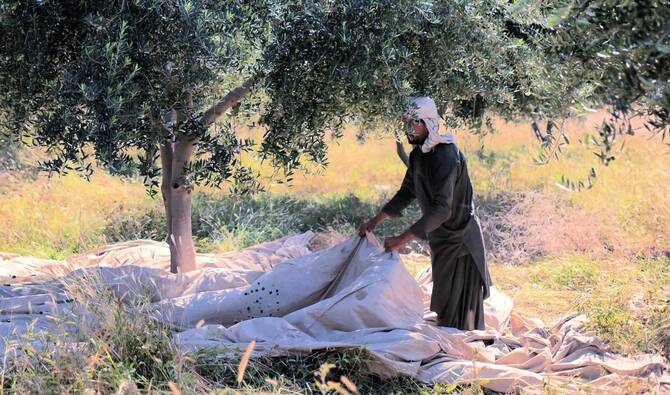
During the session, experts revealed that Balochistan currently contributes more than 80 percent of Pakistan’s olive production, with over 2.6 million olive trees cultivated across nearly 20,000 acres of land. Participants described the province as the driving force behind Pakistan’s emerging “Olive Revolution.”
Officials noted that Pakistan spends nearly $3 billion annually on edible oil imports, while the global olive market is estimated to be worth around $14 billion. Experts said strengthening domestic olive production could help reduce dependence on imports while creating new export opportunities for Pakistani farmers and agribusinesses.
A major focus of the webinar was the challenge of water scarcity in Balochistan. Specialists highlighted that water availability in the province remains critically low at around 560 cubic meters per hectare — significantly below the national average.
To address the issue, experts recommended adopting modern agricultural technologies including soil moisture sensors, precision irrigation systems, and scientifically selected zone-specific olive cultivars to improve productivity while conserving water resources.
The discussion also emphasized the growing export potential of Pakistan’s olive industry. According to PHDEC officials, Pakistan’s olive exports witnessed notable growth between 2020 and 2024, with increasing international interest in locally produced olive products.
Experts stressed the importance of moving beyond raw olive production toward high-value products such as extra virgin olive oil, organic-certified olive products, and olive-based derivatives to strengthen Pakistan’s competitiveness in international markets.
Despite the expansion of olive cultivation, participants identified limited processing infrastructure as one of the sector’s biggest obstacles. PHDEC outlined a strategic roadmap that includes establishing modern processing facilities, strengthening regional technical support through its PHDEC Quetta Office, and improving farmer awareness through Urdu-language technical resources and training initiatives.
The webinar concluded with a consensus that combining modern irrigation technologies with scientifically adapted olive cultivars will play a crucial role in positioning Balochistan as the center of Pakistan’s olive industry and enhancing the country’s long-term agricultural export potential.
Experts described the olive sector as a major opportunity for economic diversification, rural employment generation, and sustainable agricultural development in Pakistan.