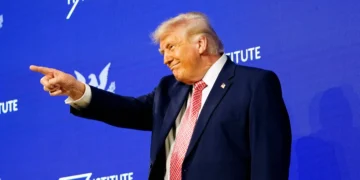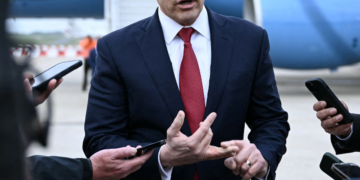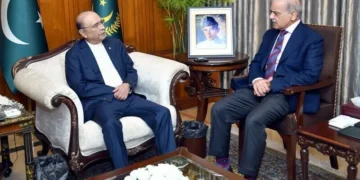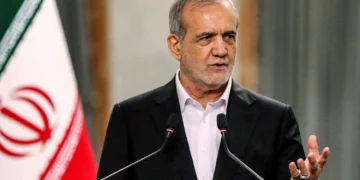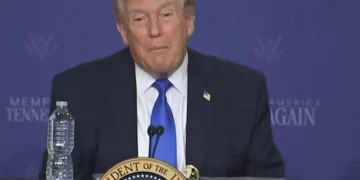


Islamabad, March 31, 2026: Pakistan’s leadership has drawn global recognition for its proactive role in facilitating peace efforts in the Middle East, notably by advancing US President Donald Trump’s 15-point plan for regional stability.
Sindh Government Keeps Schools Open, Approves Wheat Procurement, Katcha Area Survey
US Representative Ryan Zinke, member of the House Foreign Affairs Committee, lauded Islamabad’s efforts on X, stating: “I applaud Pakistan’s leadership and initiative in hosting peace talks and delivering President Trump’s 15-point plan for peace in the Middle East. Bravo Zulu.” US lawmaker Jack Bergman, Co-Chair of the Congressional Pakistan Caucus, emphasized Pakistan’s pivotal role, noting that “strong partnerships and decisive action are key to lasting stability.”
Iran’s Ambassador to Pakistan, Reza Amiri Moghadam, also welcomed the initiative, describing it as a “friendly and brotherly effort to stop the US-Israeli aggression against Iran and restore regional peace.”
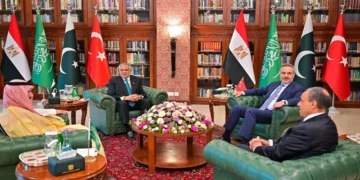
Pakistan has positioned itself as a neutral facilitator between Washington and Tehran, offering Islamabad as a venue for potential negotiations. Deputy Prime Minister and Foreign Minister Ishaq Dar confirmed the country’s readiness to host structured talks, following a quadrilateral meeting with Saudi, Turkish, and Egyptian counterparts.
The crisis, triggered by US and Israeli airstrikes on Iran on February 28, has escalated tensions across the Gulf, particularly around the Strait of Hormuz, a crucial maritime corridor. Pakistan’s diplomatic engagement aims to reopen key routes, ensure regional stability, and leverage its longstanding ties with both Iran and Western nations to promote dialogue.
China has also commended Pakistan’s mediation, with spokesperson Mao Ning calling China and Pakistan “all-weather strategic partners” and urging Tehran and Washington to engage in peace talks promptly.
The ongoing recognition from multiple international actors underscores Pakistan’s growing profile as a diplomatic mediator and highlights its strategic influence in South and West Asia amid one of the region’s most critical crises in recent decades.