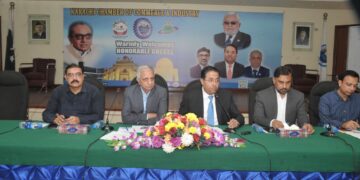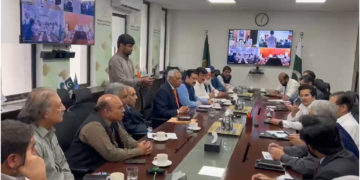


Pakistan has stepped up diplomatic engagements across multiple regions, reaching out to global and regional leaders in a bid to promote peace and stability amid ongoing tensions in the Middle East and Afghanistan.
Suicide Car Bombing at Domel Police Station in Bannu Kills Five, Injures 13
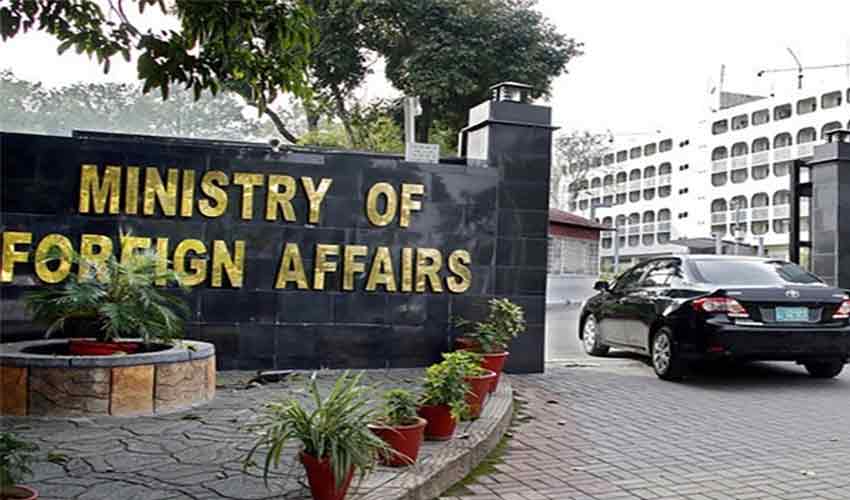
During a weekly briefing, Foreign Office spokesperson Tahir Hussain Andrabi said Islamabad remains committed to dialogue despite rising geopolitical challenges.
He noted that recent discussions between the foreign ministers of Pakistan and China underscored the importance of securing key shipping lanes, particularly in light of regional instability. The spokesperson added that the Pakistan-China five-point consensus has received broad international appreciation for its focus on reducing tensions and fostering peace.
Prime Minister’s Diplomatic Outreach
Prime Minister Shehbaz Sharif has been actively engaged in high-level diplomatic contacts. On March 27, he spoke with the Crown Prince of Kuwait, condemning recent attacks and reaffirming Pakistan’s support for regional peace.
On March 28, the premier held a telephonic conversation with Iranian President Masoud Pezeshkian, who appreciated Pakistan’s outreach and stressed the importance of trust-building for mediation efforts.
Subsequently, on March 31, Shehbaz Sharif also spoke with Antonio Costa, continuing Pakistan’s engagement with European partners.
Dar’s Regional Engagements
Deputy Prime Minister Ishaq Dar also remained active on the diplomatic front. He held talks with his Chinese counterpart and later visited China, while also engaging with the foreign ministers of Turkey and Egypt, as well as the Secretary-General of the United Nations.
Pakistan reiterated its commitment to dialogue and diplomacy during these engagements.
Concerns Over Religious Restrictions
The Foreign Office said eight Islamic countries jointly condemned restrictions on Muslim access to Al-Aqsa Mosque and limitations on Christian worship during Palm Sunday.
Pakistan also criticized Israeli restrictions on religious access in Jerusalem, reaffirming that the Jordanian Department of Endowments remains the sole authority managing Al-Aqsa Mosque and Haram Al-Sharif.
Engagement with Afghanistan
Diplomatic engagement with Afghanistan continues, with Pakistani and Afghan officials holding talks in Urumqi. Islamabad reiterated its demand that Afghan soil must not be used for activities threatening Pakistan’s security.
The spokesperson emphasized the need for concrete action, noting that commitments made under the Doha Agreement remain largely unimplemented. Pakistan has now called for written guarantees to prevent cross-border militancy, while also appreciating China’s constructive role in facilitating dialogue.
Coordination on Iran and Regional Stability
Pakistan remains in contact with the United States, European partners, and Gulf countries regarding the evolving situation involving Iran.
The Foreign Office dismissed speculation about a potential military alliance involving Pakistan, Egypt, Saudi Arabia, and Turkey, terming such reports premature. It also rejected claims that Pakistan was being used to pressure Iran, emphasizing Tehran’s sovereignty.
The spokesperson revealed that Iran had recently allowed two Pakistani vessels per day to pass through the Strait of Hormuz, although no fixed schedule is currently in place.
Security Operations Continue
On the domestic front, the Foreign Office confirmed that Operation Ghazab Lil Haq remains ongoing, with no change in its status.