


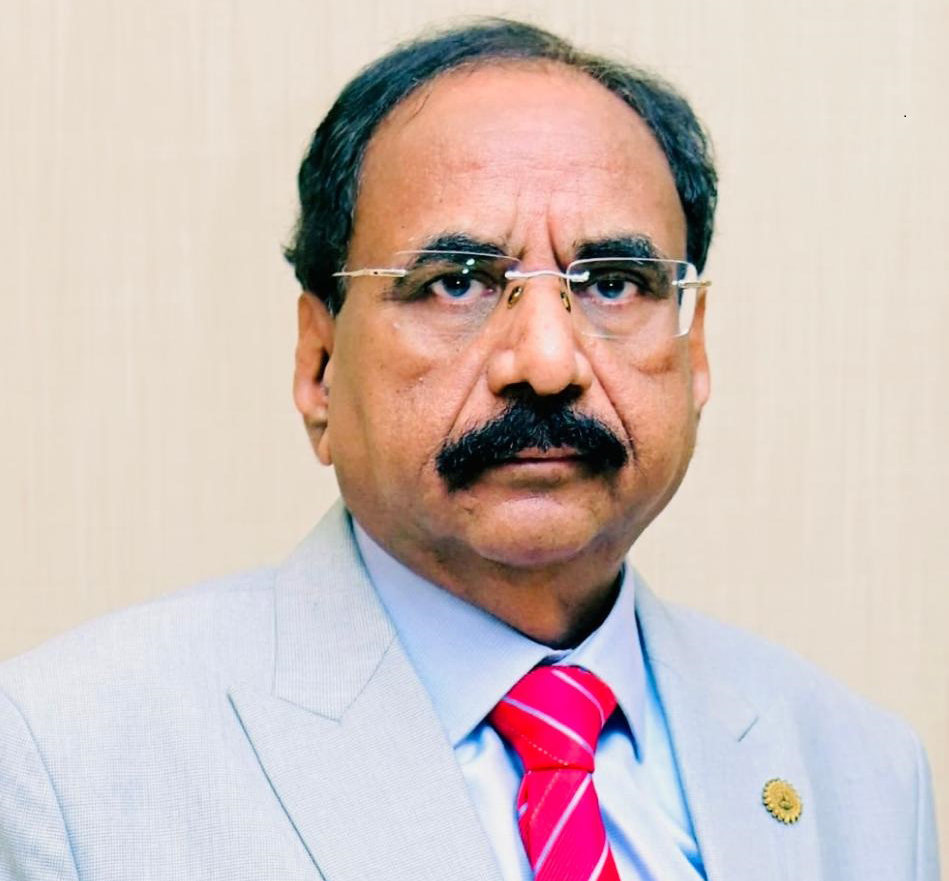
KARACHI: The President of Korangi Association of Trade and Industry (KATI) Mohammad Ikram Rajput
has strongly opposed and outrightly rejected the imposition of the Gas Transition Levy on captive power
consumers, terming it unjustified, unreasonable, and based on flawed methodology.
Mohammad Ikram Rajput said that according to a technical analytical report prepared by KATI, even if
the gas price is set at Rs 3,500 per MMBTU, the cost of power generation through captive plants still
remains higher than the cost of electricity obtained from the national grid under the B3 industrial tariff.
“This clearly proves,” he added, “that the goal of discouraging captive generation and shifting industries
to the national grid has already been achieved. There is no justification for imposing any additional
levy.”
Rajput criticized the estimation method used to justify the levy, saying it was “fundamentally flawed,”
leading to artificially inflated cost comparisons and misguided policy decisions. He warned that
implementing such a levy on weak analytical grounds is not only economically irrational but also
damaging to industrial confidence and the stability of the energy market.
President KATI urged the Sui Southern Gas Company (SSGC) and the Oil and Gas Regulatory Authority
(OGRA) to immediately defer the levy’s implementation until the estimation process is reviewed
transparently in consultation with all stakeholders.
He pointed out that gas supply is currently abundant, while gas companies themselves are suffering
heavy financial losses amounting to hundreds of billions of rupees. “In such circumstances, imposing an
additional levy and making gas unaffordable is completely illogical,” he said.
Rajput further noted that industries in Karachi are already burdened with high electricity and fuel costs,
and placing further unjust financial pressure on them would adversely affect industrial production,
exports, and employment.
“The price of energy is directly linked to national competitiveness and economic growth,” he stated,
warning that policy decisions based on unverified data could harm the country’s economic progress.
Mohammad Ikram Rajput reaffirmed KATI’s commitment to working with policymakers and regulators
to promote transparent, technically sound, and equitable reforms in the energy sector.


ADVERTISEMENT