Karsaz Tragedy: A Lasting Testament to Democratic Sacrifice and Loyalty
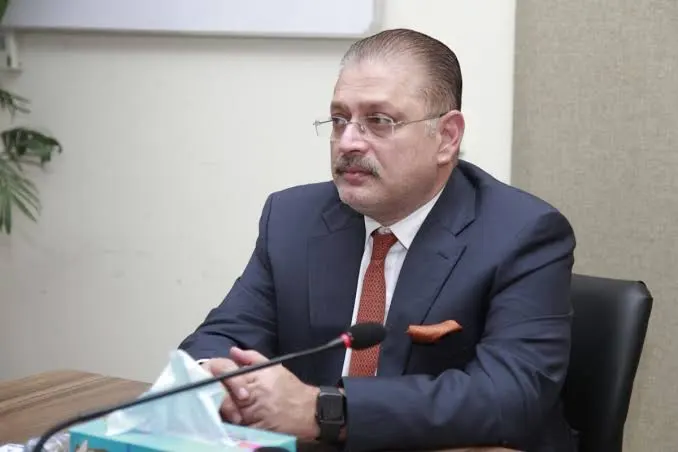
Karsaz Tragedy: Remembering the victims of the 2007 attack and their sacrifice for democratic participation.
By Sharjeel Inam Memon
Sindh Senior Minister for Information, Transport and Mass Transit
The Karsaz tragedy remains one of the darkest chapters in Pakistan’s democratic history. On October 18, 2007, thousands of people gathered in Karachi to welcome Shaheed Mohtarma Benazir Bhutto home after eight years in exile. Their hopes for democracy, justice and a better future were shattered when two powerful blasts struck her homecoming procession near Karsaz.
The attack turned a day of celebration into a night of grief. Families searched desperately for their loved ones, injured people struggled for help, and the nation faced the devastating consequences of political violence. Historical accounts estimate that around 200 people lost their lives and more than 500 were injured. Behind every figure was a human story of love, sacrifice and loss.
A Homecoming Filled with Hope
Benazir Bhutto’s return was more than the homecoming of a political leader. For many Pakistanis, it represented renewed hope for democratic governance, constitutional supremacy and political participation. People from different walks of life filled Karachi’s streets to welcome her, believing their voices would once again find representation in the country’s political system.
AKU-EB Celebrates 2026 High Achievers, Recognises 124 National and Regional Students
As the procession moved along Shahrah-e-Faisal towards Karsaz, the atmosphere changed within moments. The blasts killed and injured supporters and ordinary citizens who had gathered peacefully. The tragedy left a deep mark on Pakistan’s collective memory and raised serious questions about public safety and the protection of democratic rights.
The victims were not merely supporters of a political party. They were citizens exercising their right to political association and peaceful assembly. Their deaths highlighted the devastating human cost of terrorism and the responsibility of the state to protect its people.
The Sacrifices Behind Democratic Struggle
The Karsaz tragedy holds particular significance for the Pakistan Peoples Party (PPP), whose workers demonstrated extraordinary commitment during Benazir Bhutto’s return. Many stood close to their leader despite the dangers, reflecting their belief in the party’s political vision.
However, remembering their sacrifices must mean more than holding ceremonies or offering tributes. It requires practical efforts to advance the values for which they gathered: public service, social justice, constitutional governance and respect for human dignity.
Pakistan’s democratic history also reflects the political legacy of Shaheed Zulfikar Ali Bhutto, who championed public participation and constitutional development. The Constitution of 1973 remains a landmark in the country’s parliamentary and federal history.
Benazir Bhutto carried that legacy forward through a political journey shaped by opposition, imprisonment, exile and personal tragedy. She served twice as prime minister and played a prominent role in expanding women’s participation in national leadership. Her political career also remains part of a complex history that deserves examination through evidence, context and open debate.
From Karsaz to Liaquat Bagh
The tragedy of October 18 was followed by another devastating loss on December 27, 2007, when Benazir Bhutto was assassinated in an attack at Liaquat Bagh in Rawalpindi.
Her death deepened the nation’s grief and created another defining moment in Pakistan’s political history. In its aftermath, Asif Ali Zardari’s slogan, “Pakistan Khappay” — meaning “Pakistan must endure” — became a message of national unity and continuity during a period of profound sorrow.
These events underline a fundamental principle: political disagreements must never be settled through violence. Dialogue, constitutional processes and the people’s right to choose their representatives must remain central to democratic life.
Justice and Accountability Remain Essential
The question of accountability for the Karsaz attack remains an important part of its legacy. Over the years, concerns have continued about whether the people responsible were fully brought to justice. A report published by Dawn in October 2022 noted that families affected by the tragedy were still waiting for justice fifteen years after the attack.
The passage of time must not weaken the obligation to establish the truth. Investigations should be transparent, responsibility should be determined through credible evidence, and relevant institutions should keep affected families informed of progress.
Justice does not mean declaring anyone guilty without proof. It means conducting impartial investigations, following the law and holding those responsible accountable on the basis of evidence. Such an approach can help families find answers while strengthening public confidence in the justice system.
The tragedy also raises broader questions about the security of public gatherings. Protecting peaceful political activity requires effective planning, professional law enforcement, intelligence coordination and cooperation between political parties and state institutions.
Democracy Requires Tolerance and Public Service
Democracy extends beyond elections and the formation of governments. It requires respect for opposing views, equal protection under the law and institutions that remain accountable to the Constitution.
Pakistan’s diverse society includes people from different provinces, languages, cultures and political traditions. The federation grows stronger when all citizens enjoy equal rights and feel that their concerns receive fair representation.
The fight against terrorism must also rise above political divisions. Terrorism threatens every community and weakens the foundations of society. Countering it requires effective security measures, a functioning judicial system, public trust and a sustained commitment from political leadership.
Political parties also have a responsibility to protect their supporters during public gatherings. Proper security arrangements, trained volunteers and coordination with relevant authorities can reduce risks and help safeguard citizens exercising their democratic rights.
Keeping the Martyrs’ Legacy Alive
The sacrifices of political workers must be honoured through meaningful support for their families. Education for the children of martyrs, assistance for affected households, care for injured survivors and respect for victims’ dignity should form part of any lasting commitment to remembrance.
The legacy of the Karsaz martyrs also places a responsibility on Pakistan’s political leadership, including PPP Chairman Bilawal Bhutto Zardari and the party’s younger generation. Preserving that legacy means addressing today’s challenges, including unemployment, economic hardship, social inequality, terrorism and declining political trust.
Public welfare must remain at the heart of democratic politics. Parliament should perform its constitutional role, institutions should work within legal limits, and political differences should be resolved through dialogue rather than confrontation.
The nation must also preserve the historical record of the Karsaz tragedy. Documenting the victims’ stories, supporting research and listening to affected families can ensure that future generations understand both the human cost of the attack and the democratic hopes that brought people onto Karachi’s streets that day.
A Commitment to a More Just Pakistan
Every October 18 offers an opportunity to reflect on the past and consider the future. The purpose of remembrance should not be to deepen hatred but to strengthen justice, tolerance, accountability and democratic awareness.
The true measure of democracy lies in the everyday lives of ordinary citizens. Can they access justice, education, healthcare and employment? Can they express their opinions without fear? Do institutions protect their rights equally? These questions determine whether democracy is a lived reality or merely a political promise.
The bloodshed at Karsaz must never be reduced to statistics or commemorative speeches. It represents the lives lost, families changed forever and hopes interrupted by violence. Their memory demands a sustained commitment to public safety, constitutional governance and human dignity.
Our salutations go to the martyrs of Karsaz, the mothers who lost their children, the families who continue to bear the pain of separation, and the workers who sacrificed their lives while participating in a historic democratic moment. We also pay tribute to Shaheed Mohtarma Benazir Bhutto, whose return to Pakistan remains an unforgettable chapter in the country’s political history.
The Karsaz tragedy entrusted Pakistan with a lasting lesson: political affiliation must never become a threat to human life, disagreement must never justify violence, and power must never stand above the law.
Nations honour their martyrs not only by remembering their sacrifices, but by shaping a future worthy of them. The most meaningful tribute to the victims of Karsaz is to build a Pakistan where citizens can exercise their democratic rights safely, where justice applies equally to all, and where dialogue prevails over hatred.