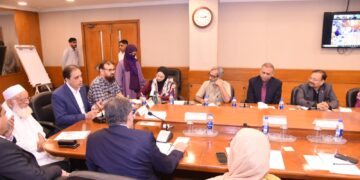


A multi-stakeholder consultation held at The Indus Hospital has outlined a comprehensive roadmap to tackle the growing public health threat posed by dog bites and rabies in Karachi and across Pakistan.
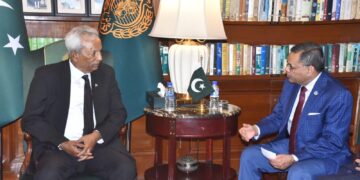
Houston–Karachi Sister City Delegation Meets Sindh Governor to Enhance Bilateral Cooperation
The session brought together 35 participants, including representatives from healthcare institutions, veterinary professionals, animal welfare organizations, legal experts, government departments, media, and civil society, to formulate a coordinated response to the crisis.
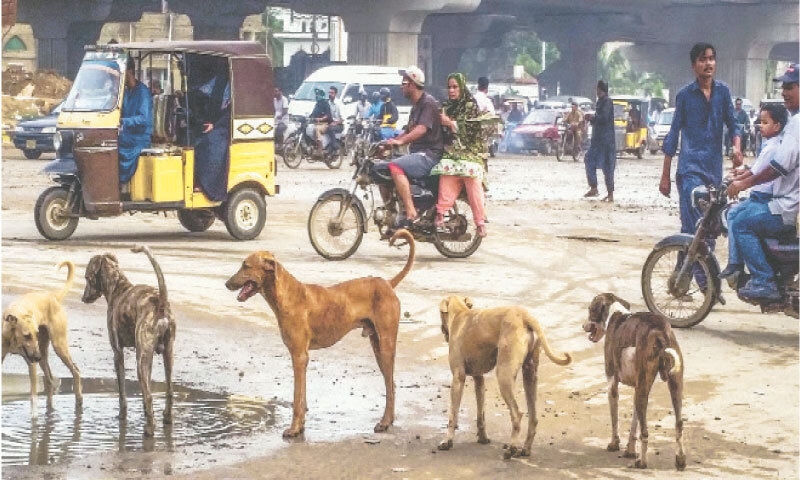
Participants expressed concern over the sharp rise in dog bite cases, noting that Karachi alone is estimated to have between 1 to 1.5 million stray dogs. The increasing prevalence of rabies has placed hundreds of thousands of people—particularly children—at risk, while public fear continues to grow.
While some participants suggested mass culling, the majority opposed the approach, citing evidence and guidance from the World Health Organization and ICAM Coalition, which indicate that culling is ineffective and unsustainable.
Instead, the consultation highlighted successful global models from countries such as Türkiye, Mexico, and Morocco, where Mass Dog Vaccination (MDV) and Dog Population Management (DPM) strategies have helped eliminate rabies.
The forum identified key gaps, including the absence of a clear policy framework, weak accountability in previous TNVR efforts, lack of integrated data systems, poor waste management contributing to unchecked breeding, limited public awareness, and insufficient access to vaccines and Rabies Immunoglobulin (RIG). Gaps in healthcare worker training for post-bite treatment were also noted.
Participants agreed on a multi-sectoral approach, proposing hotspot-based interventions, improved dog population estimates, and a zone-based implementation model. The roadmap includes appointing a full-time program manager, strengthening data tracking systems, piloting district-level programs, and adopting a public-private partnership framework.
Collaboration with international partners such as FOUR PAWS International and UNICEF was also recommended. The initiative emphasizes a humane, science-based approach under the principle of “No Poison, No Bullet.”
Participants concluded that while the technical pathway to eliminating rabies is clear, strong political will and sustained commitment are essential to protect both human and animal lives and achieve a rabies-free Sindh.